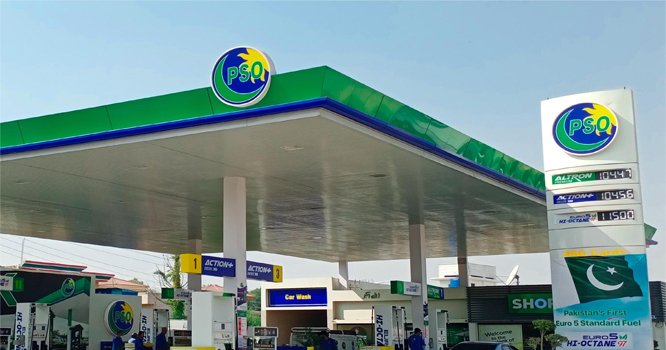
Pakistan’s OGRA daily petroleum pricing mechanism produced its first downward revision on July 20, its third day in operation, with petrol dropping from Rs316.15 to approximately Rs310.71 per litre as international oil prices softened relative to the seven-day Platts benchmark average that governs the formula (Daily Ausaf).
The July 18 inaugural revision under the new system had raised petrol Rs5.44 and diesel Rs31.05 in what critics characterised as a vehicle for passing on price shocks without political accountability. The July 20 downward revision — modest but real — demonstrates the mechanism’s symmetric design: OGRA calculates the seven-day rolling average of international Platts benchmark prices and publishes a rate accordingly, regardless of whether that rate is higher or lower than the previous day.
The government’s initial July 18 notification had set prices for a three-day window (July 18–20), reflecting the transitional phase of rolling out daily publishing infrastructure. From July 21, OGRA is expected to issue daily individual notifications. The authority has said it is upgrading its digital infrastructure to support the system.
The pump owners’ position
The All Pakistan Petrol Pump Owners Association, which last week threatened a nationwide pump strike over the daily pricing regime, is watching whether the July 20 fall triggers any adjustment to its negotiating position. A system that demonstrates downward flexibility is more defensible politically; the association’s core objection — that daily price changes disrupt inventory management and supply-chain agreements with oil marketing companies — remains unaddressed by the July 20 decline, but the optics of protesting a mechanism that just reduced prices are more difficult.
The petroleum minister has maintained that the system will curb the practice of dealers hoarding fuel ahead of anticipated fortnightly increases, which was a structural distortion of the old system. If international prices continue to ease — reflecting any de-escalation in the US-Iran conflict’s pressure on Gulf oil — the mechanism will continue delivering that message automatically, without political intervention.