Wednesday, September 2, 2026 · Petrol Rs 342.79 · USD/PKR 277.50 · Gold Rs 466136/tola
Breaking
Militant Attacks Increase but Fatalities Decline in August Amid Sustained CT Pressure: Think Tank Pakistan to Provide First Secretary General of Makkah Defence Alliance Shehbaz Sharif Tells SCO Summit Water “Must Never Be Weaponised” Xi, Putin and Modi Join SCO Plus Summit in Bishkek as Pakistan Takes Chair Shehbaz Sharif Takes SCO Chair for 2026-27; Islamabad to Host Next Summit Shehbaz Sharif Proposes SCO Framework for Sovereign AI Infrastructure Cancelled in 2024 Gold Rate in Pakistan Falls Rs1,800 a Tola as Petrol Rises 77 Paise Pakistan Send Home Seven Players and the Coach; Mickey Arthur Calls It “Ridiculous” US Firm to Take Over Venezuela Oilfields Run by Chinese, Russian Companies Maryam Nawaz Orders Dedicated Motorcycle Lanes on Major Lahore Roads Brent Crude Holds Above $91 as Hormuz Supply Risk Returns India Firecracker Blast Kills 11, Eight of Them Children; Licence Was Cancelled in 2024 Nepal-China Flood Death Toll Passes 1,000 With 4,462 Still Missing Rawalpindi Schools Closed as 201mm Rain Breaks a 16-Year Record Ishaq Dar Meets Araghchi at SCO Summit, Presses Islamabad MoU Gold Rate in Pakistan Today Holds at Rs467,936 a Tola as Fuel Prices Stay Put Seven Working Days Pakistan Food Inflation Splits: Flour Up 45pc, Chicken Down 24pc Pakistan, Saudi Arabia Set $3bn Farm Export Target for Two Years
Pakistan

Heavy Monsoon Rains Hit Islamabad, Lahore as NDMA Issues Nationwide Flood and Landslide Alert; 22-26% Above Last Year Expected

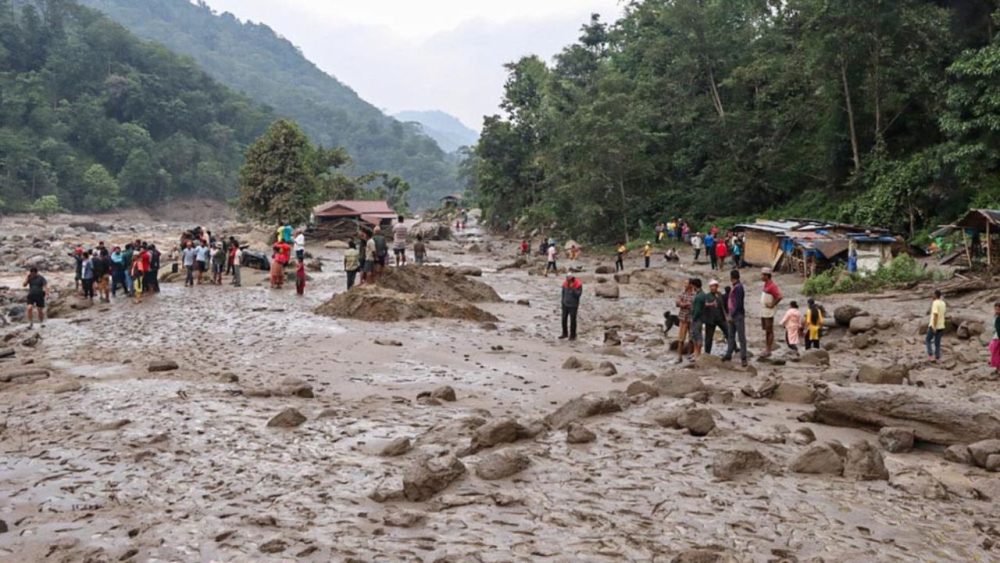
Heavy monsoon rains lashed Islamabad, Rawalpindi, Lahore, and other cities across Pakistan on July 12 as the National Disaster Management Authority upgraded to a nationwide flood and landslide alert. The Pakistan Meteorological Department has warned that this monsoon season is projected to bring 22 to 26 percent more rainfall than 2025, when more than 1,000 people were killed nationwide. Urban flooding risks are elevated in low-lying areas of major cities; landslide alerts cover KPK, AJK, and Gilgit-Baltistan through July 14.

Heavy Monsoon Rains Hit Islamabad, Lahore as NDMA Issues Nationwide Flood and Landslide Alert; 22-26% Above Last Year Expected
(Pakistan Today)

Heavy monsoon rains struck Islamabad, Rawalpindi, Lahore, and Peshawar on Saturday as the National Disaster Management Authority issued a nationwide flood and landslide alert, warning of elevated risk across Pakistan’s major cities and mountain regions (Pakistan Today; Aaj English TV; Islamabad Post).

The Pakistan Meteorological Department forecast heavy rainfall, windstorms, and thundershowers continuing through July 13-14 across Khyber Pakhtunkhwa, Punjab, and Islamabad Capital Territory, with isolated intense falls expected in northern KPK districts including Dir, Swat, Chitral, Kohistan, Mansehra, and Abbottabad. Gilgit-Baltistan’s high-altitude districts — Diamer, Astore, Ghizer, Skardu, Hunza — face conditions through July 13, with glacial flooding risk cited separately by NDMA for GB and northern KPK.

NDMA has activated its disaster response operations centre and requested provincial governments to ensure pre-positioned relief and rescue assets are available in high-risk areas. Provincial governments and district administrations have been placed on high alert. NDMA has asked non-essential travellers and tourists to delay trips to northern Pakistan through July 14.

Season projection: worse than 2025

The Pakistan Meteorological Department has projected that the 2026 monsoon season will deliver 22 to 26 percent more rainfall than 2025 nationally. The 2025 monsoon killed more than 1,000 people across Pakistan through flooding, landslides, and associated disease. If the projection holds, the 2026 season would be among the most intense on record.

The current spell — which began hitting cities on July 11-12 — represents the first significant organised system of the 2026 season rather than its peak. Monsoon typically intensifies through late July and reaches maximum activity in August.

Urban flooding risks remain structural: Islamabad and Rawalpindi share a drainage catchment that has caused destructive flash flooding in prior seasons; Lahore’s low-lying areas and drainage infrastructure are similarly vulnerable to high-intensity rainfall in compressed periods. The health ministry has issued waterborne disease prevention advisories as urban flooding increases contamination risk in low-lying areas.


AdvertisementSCO Summit 2026 — Government of Pakistan
Hamza Azhar SalamEditor — Hamza Azhar Salam · Write to us with suggestions or tips
Powered by: Frontpage.dev
WP Twitter Auto Publish Powered By : XYZScripts.com