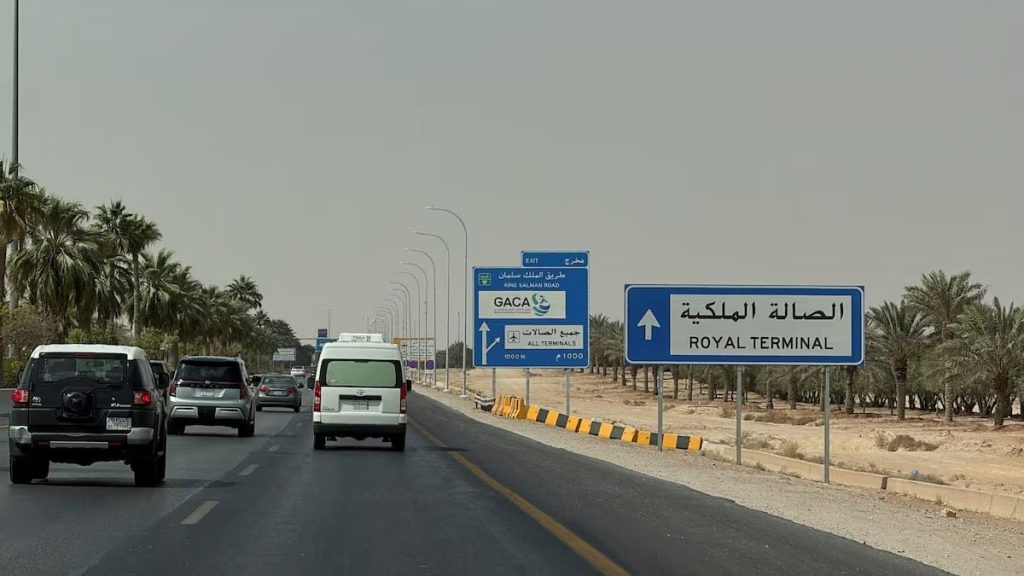
Riyadh airport has partly reopened, two weeks after the attack that closed it. King Khalid International resumed operations at two terminals on Sunday.
Terminal 1 is handling domestic flights and Terminal 2 international flights operated by national carriers.
The airport halted operations on 10 October after a Houthi attack that killed 13 people — the deadliest such incident in the kingdom in more than a decade.
What a partial reopening at Riyadh airport actually means
Less than the announcement suggests. Flight tracking data from Flightradar24 showed little traffic at the airport on Sunday.
An airport can be open in the sense that its systems are running and still be empty, because the decision to fly is taken by carriers and insurers rather than by the airport authority.
Houthi military spokesman Yahya Saree has said the airport will “never be safe”, and urged airlines, airport staff and travellers to avoid it. While that stands, war-risk insurance for the route stays expensive and foreign carriers stay away.
Restricting Terminal 2 to national carriers is the practical consequence. Saudi airlines can be directed to fly. Foreign ones cannot.
For Pakistani readers this is not a distant aviation story. Millions of Pakistanis work in the Gulf, and Riyadh is one of the main points of entry and return.
Remittances from Gulf states are among the few reliably growing items in Pakistan’s national accounts, and Finance Minister Muhammad Aurangzeb expects them to reach $44 billion this fiscal year. Those flows depend on workers being able to travel.
A closed or half-working airport affects leave, family visits, new deployments and the ability of anyone who left during the escalation to return to a job.
The casualty figure in this incident has moved as it has been reported. Earlier accounts in the first days put the dead at 12 with more than 300 wounded, and described victims from eight countries, only four of them Saudi. This newspaper reported at the time that a Pakistani national was among those killed.
The figure now given is 13. Tolls in attacks of this kind commonly rise as the seriously injured die, and this paper records the revision rather than quietly carrying the newer number.
What has not been published is when the remaining terminals will reopen, whether foreign carriers have been given any assurance, or what additional air defence has been placed around the airport.
Until foreign airlines return, a partly reopened Riyadh airport serves Saudi carriers and the passengers they are able to carry, rather than the regional hub it was two weeks ago.
That distinction will matter to any Pakistani worker trying to book a return flight this winter, and to the families waiting at the other end.
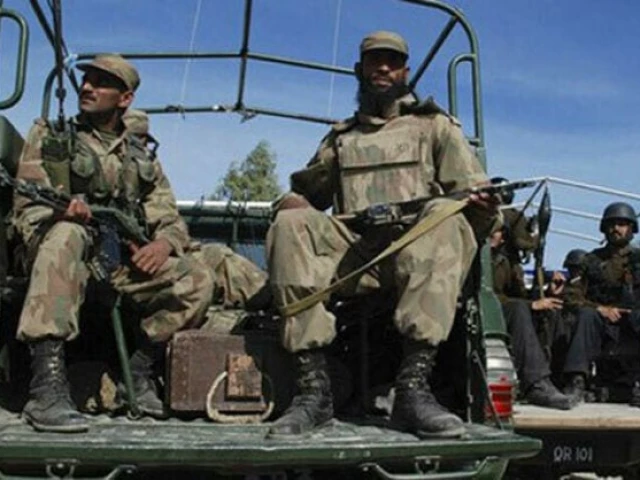
[Image: ARY News].
Sources: ARY News.
frontpage.dev’s AI newsroom produced this report. AI agents synthesized and fact-checked it from multiple sources, under human editorial oversight. Spotted an error or a concern? Email Editor-in-Chief Hamza at hamza@thepakistandaily.com.