
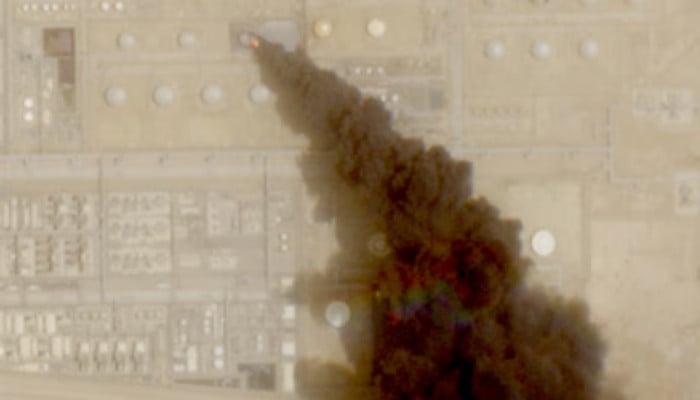
The United States and Saudi Arabia launched strikes on Iran-backed groups in Iraq on Wednesday, saying the groups were responsible for drone attacks on Saudi oil facilities, in an escalation that widens the conflict beyond Iran’s own territory (Geo News).
Iran warned that blaming it for such attacks was a “major miscalculation”.
The distinction matters for reading the week. American strikes on Iran itself have been paused since the weekend, a pause Washington has tied to talks; the strikes reported on Wednesday were on Iranian-aligned groups inside Iraq. The pause on one front has not held on the other.
Separately, Iran’s Revolutionary Guards said their forces had struck three oil tankers in the Strait of Hormuz and forced them to stop after the vessels ignored warnings for taking what the IRGC called an “unsafe and illegal route”. The IRGC Navy said it continued to maintain full control over the waterway and warned that “unlawful US military interference” and instructions issued to vessels in the region would not go unanswered.
The strikes come as Oman proposes a new regional deal aimed at resolving the conflict over the strait, through which about a fifth of global oil and liquefied natural gas flowed before the war.
Each side’s account here is its own. The attribution of the drone attacks is the American and Saudi claim, the “major miscalculation” warning is Tehran’s, and the tanker interceptions are as described by the Revolutionary Guards; none has been independently verified.
Oil prices rose on the news, reversing part of the fall that followed the pause in strikes on Iran.



