
While no one food can guarantee immunity from Alzheimer’s disease, incorporating certain foods into one’s diet can help keep the brain healthy
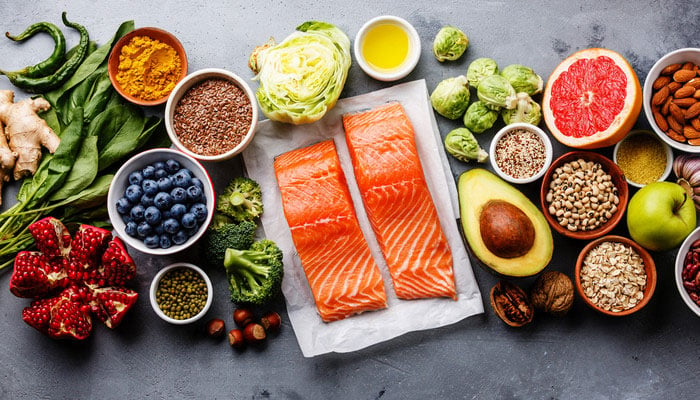
Reducing the risk of Alzheimer’s disease is a goal that can be reached through dietary choices, according to recent research published in the Journal of Alzheimer’s Disease.
The study identifies specific foods to include and avoid, emphasizing recognized dietary patterns such as the Mediterranean diet, DASH, and the MIND diet for cognitive health.
The best and worst eating habits for Alzheimer’s risk
The Mediterranean diet, characterized by high consumption of olive oil, fish, fruits, vegetables and legumes, with moderate amounts of dairy, poultry and alcohol, has been recognized to support cognitive health.
Similarly, the DASH diet focuses on whole grains, fruits, vegetables and low-fat dairy, with limited red meat and sweets. The MIND diet combines elements of the Mediterranean diet and the DASH diet, emphasizing olive oil, fish, whole grains, berries and green leafy vegetables.
In contrast, the Western diet, characterized by high fat, processed foods and meat consumption, is associated with poor cognitive outcomes. This diet, which lacks fruits, vegetables and essential nutrients, is characterized by 70% of calories coming from animal foods, oils, fats and sweeteners.
The best foods to support brain health
While no one food can guarantee immunity from Alzheimer’s disease, incorporating certain foods into one’s diet can help maintain brain health, particularly in established brain-supportive dietary patterns such as the MIND diet.
Walnuts
Walnuts are noted for their lignan content, a unique plant compound believed to reduce neurodegeneration and inhibit inflammatory pathways in the brain.
Berries
Red, violet or blue produce, rich in anthocyanins, can positively affect brain health by reducing oxidative stress and the accumulation of tau proteins, key factors in Alzheimer’s disease.
Hazel
Packed with nutrients, hazelnuts contain phenolic acid and flavonoids like quercetin, which may help reduce tau phosphorylation and reduce protein oxidation in the brain.
Leafy vegetables
Leafy greens like spinach and kale provide folate, lutein and vitamin K, supporting brain health by managing homocysteine levels and providing essential nutrients.
Salmon
Fatty cold-water fish, including salmon, offer DHA omega-3 fatty acids and vitamin D, which are known to reduce inflammation, provide antioxidant capabilities and reduce the risk of Alzheimer’s.
Eggs
Although not specifically mentioned in the study, eggs are rich in choline and lutein, supporting brain health by potentially reducing harmful brain proteins and aiding neurotransmitter production.
a href=”https://www.geo.tv/latest/519623-these-six-foods-can-significantly-reduce-your-risk-of-alzheimers-disease”>Source link



