
.
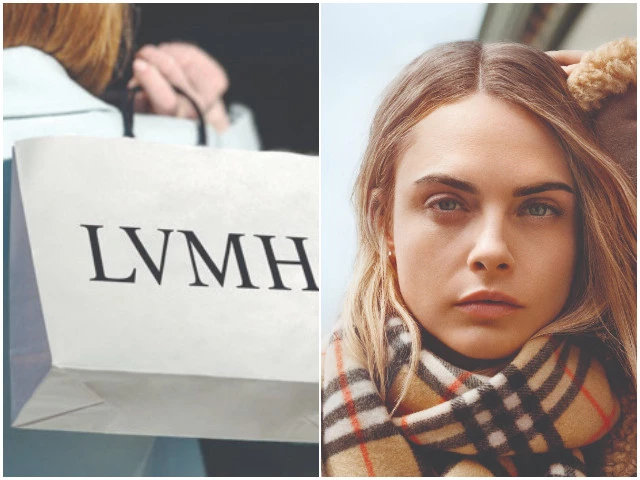
Luxury price spiral. Photo: file
PARIS/MILAN:
The global luxury goods sector, long defined by rising prices, booming demand and an air of exclusivity, is entering a moment of reckoning as new forecasts suggest a modest recovery in 2026 while warning that years of aggressive mark-ups have left buyers feeling alienated and even “betrayed”.
Bain & Company’s latest study, prepared with Italian luxury group Altagamma, says the industry is expected to grow by 3% to 5% next year after stagnating in 2025, helped by steady momentum in the United States, resilient consumers in Europe and Japan and gradually improving conditions in China.
But the consultancy argues that persistent price increases have pushed away traditional buyers and tested the patience of the ultra-rich, who are now questioning whether rising costs are matched by creativity or value.
Bain partner Federica Levato said brands had narrowed their focus too sharply on higher-spending customers, who themselves are expressing frustration with rising prices and what they see as insufficient product and design innovation. He noted that some houses recognize the mistakes but believe that increased creativity at current price levels can repair the damage, a conclusion that Bain strongly disputes.
The slump in affordability has significantly shrunk the global luxury customer base, from about 400 million people in 2022 to about 340 million this year, with another potential loss of 20 to 30 million buyers, the report said. Even the heavy spenders, who make up almost half of the €358 billion personal luxury market, have seen a decline in their purchases over the past year.
Levato said the industry’s pricing strategy had created a gap in the middle of the market, leaving room for US companies offering more affordable products and challenging the dominance of long-standing European labels. This gap has also excluded younger consumers, whose cultural influence far exceeds their budgets and shapes the spending patterns of older generations.
Signs of industry introspection are emerging, with Kering chief executive Luca de Meo telling staff in a memo that the group needs to review its pricing and product strategy after years of increases. The broader slowdown has also left brands sitting on growing inventory, with stock-to-revenue ratios rising several points since 2019, prompting Bain to suggest off-price stores and online channels to manage excess goods.
Many labels remain wary of discounts for fear of tarnishing their image, while the destruction of unsold products is prohibited under European Union sustainability rules, further burdening inventory management. Forecasting future demand has become more difficult as geopolitical instability, a shift in U.S. trade policies under President Donald Trump and continued uncertainty about China’s economic direction cloud the outlook.
Bain, which sharply cut its 2025 forecast last May to a possible decline of as much as 5%, now expects the year to end largely flat. Investors responded positively to signs of stabilization, sending luxury stocks higher in recent months, with the Stoxx Luxury 10 index up 19 percent from April lows after upbeat third-quarter results from LVMH, Burberry and Richemont suggested improving Chinese buyer confidence.
a href=”https://tribune.com.pk/story/2578549/luxurys-price-spiral-comes-full-circle”>Source link



