
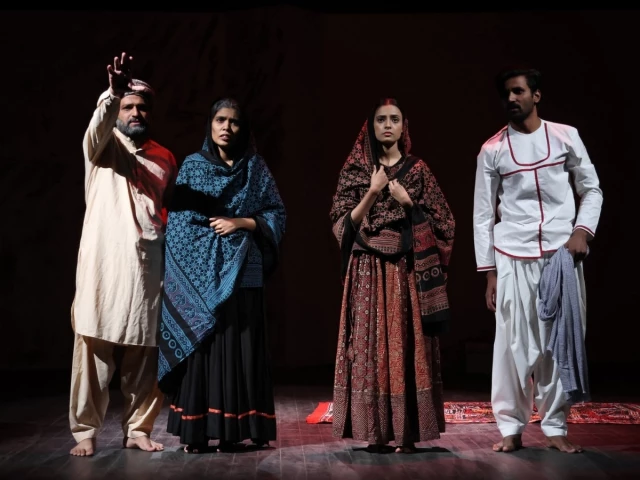
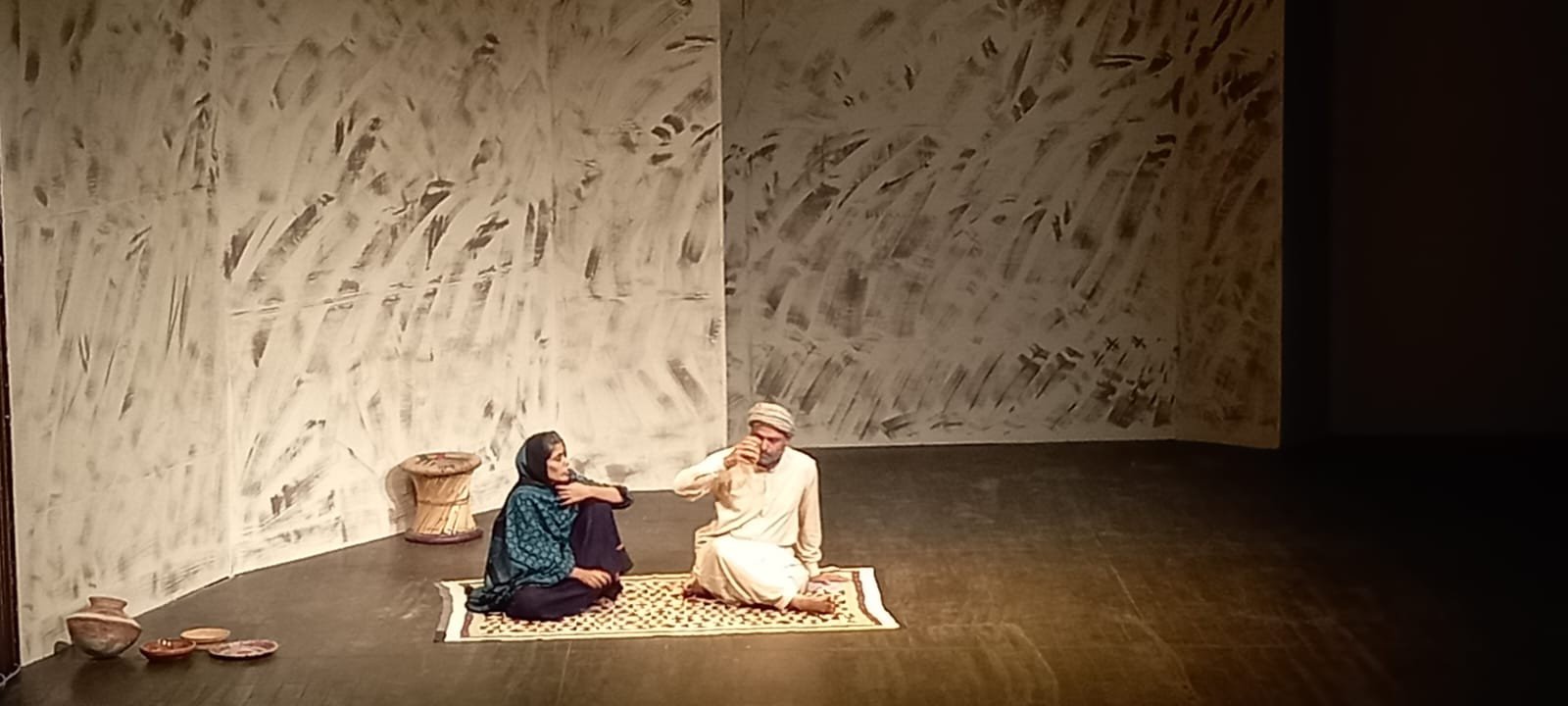
Day 18 of the World Culture Festival 2025 brought a mix of theatre, film, music and fine arts to the Pakistan Arts Council Karachi, with the Urdu tragedy play The Dead River emerges as the highlight of the day.
The play, directed by Shahnawaz Bhatti Theatre, attracted a strong audience and was attended by former Sindh Education Minister Syed Sardar Ali Shah, who praised the Arts Council for organizing an international cultural festival which he said “acts as a powerful response to growing extremism”.
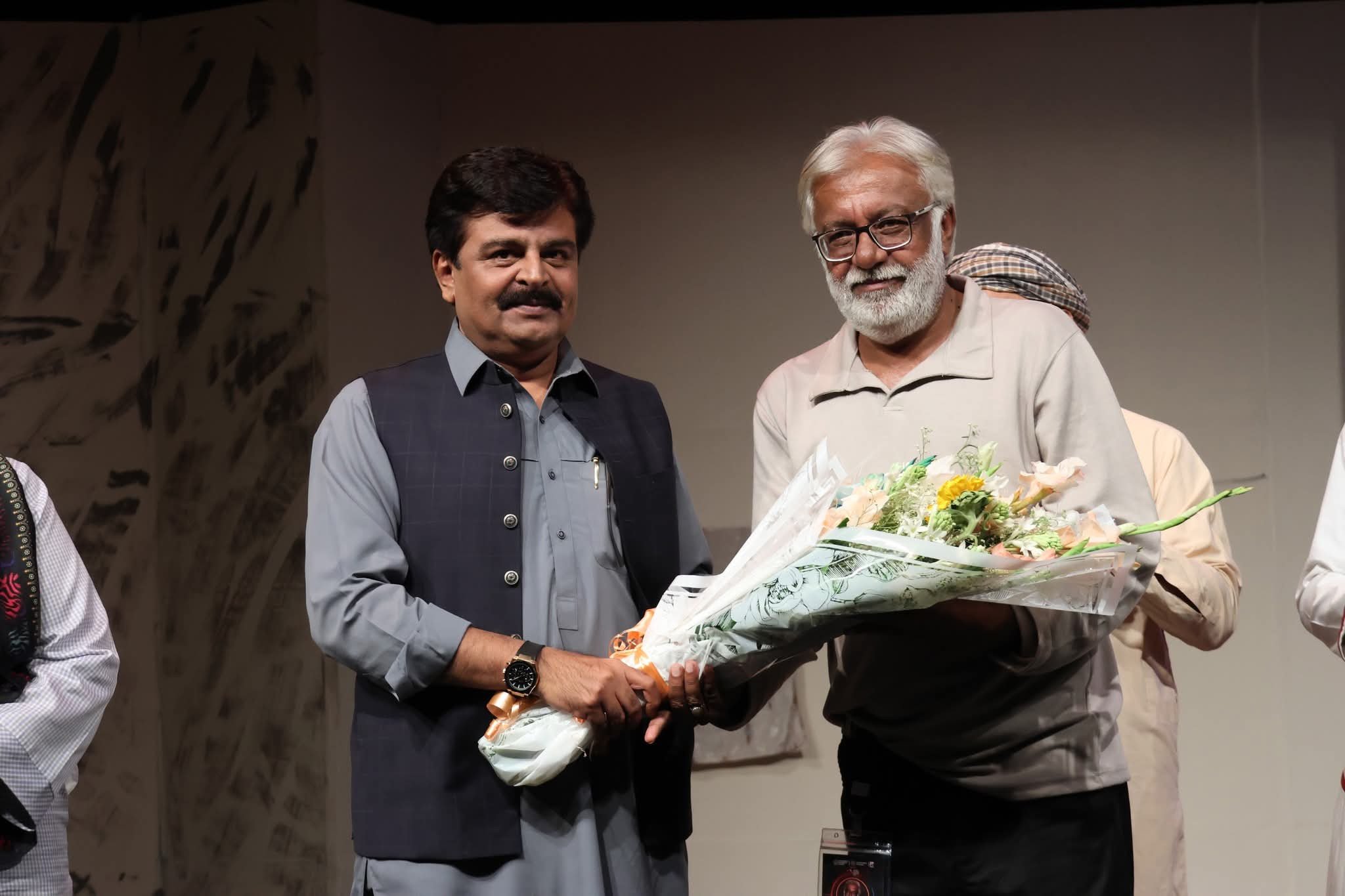
Former Sindh Provincial Minister for Education, Culture, Tourism and Antiquities, Sardar Ali Shah and Shahnawaz Bhati
Speaking about the environmental and historical themes of the show, the minister noted that the story sheds light on how natural water flows were disrupted during the colonial era. “It was the British who first blocked the natural courses of these rivers and that is why the region has continued to suffer,” he said.
Shah praised the production for its impact and narrative power. “It was an excellent theatrical performance and the director successfully connected the story with today’s realities,” he added.
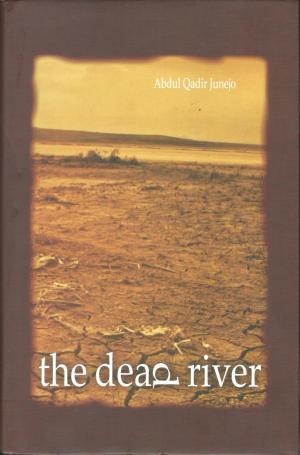
Adapted from the novel by Abdul Qadir Junejo, The Dead River revisits the lost history of Sindh’s ancient Hakro River, once also known as Saraswati and Gaggar.
On stage, the river comes to life as a character, symbolizing not only ecological loss but the erosion of cultural memory.
Actors Zubair Baloch, Yasmeen Usman, Mati Mukhtalif, Tooba Naeem, Omeed Akbar and Ali Bakhsh won applause for their thrilling performances.
Shahnawaz Bhatti on the message behind the program
Talking to you The Express Tribunedirector Shahnawaz Bhatti said the play explores the deep connection between nature, culture and society.
“What is the value of water? Rivers should flow naturally,” he said. “When you block a river – be it Sutlej, Ravi or Chenab – you disrupt a natural system. A river always knows its course.”
Bhatti said the production also touches on political history, including treaties and the reshaping of river systems after partition. “The impact was not limited to one river; it affected all the rivers of Pakistan,” he noted.
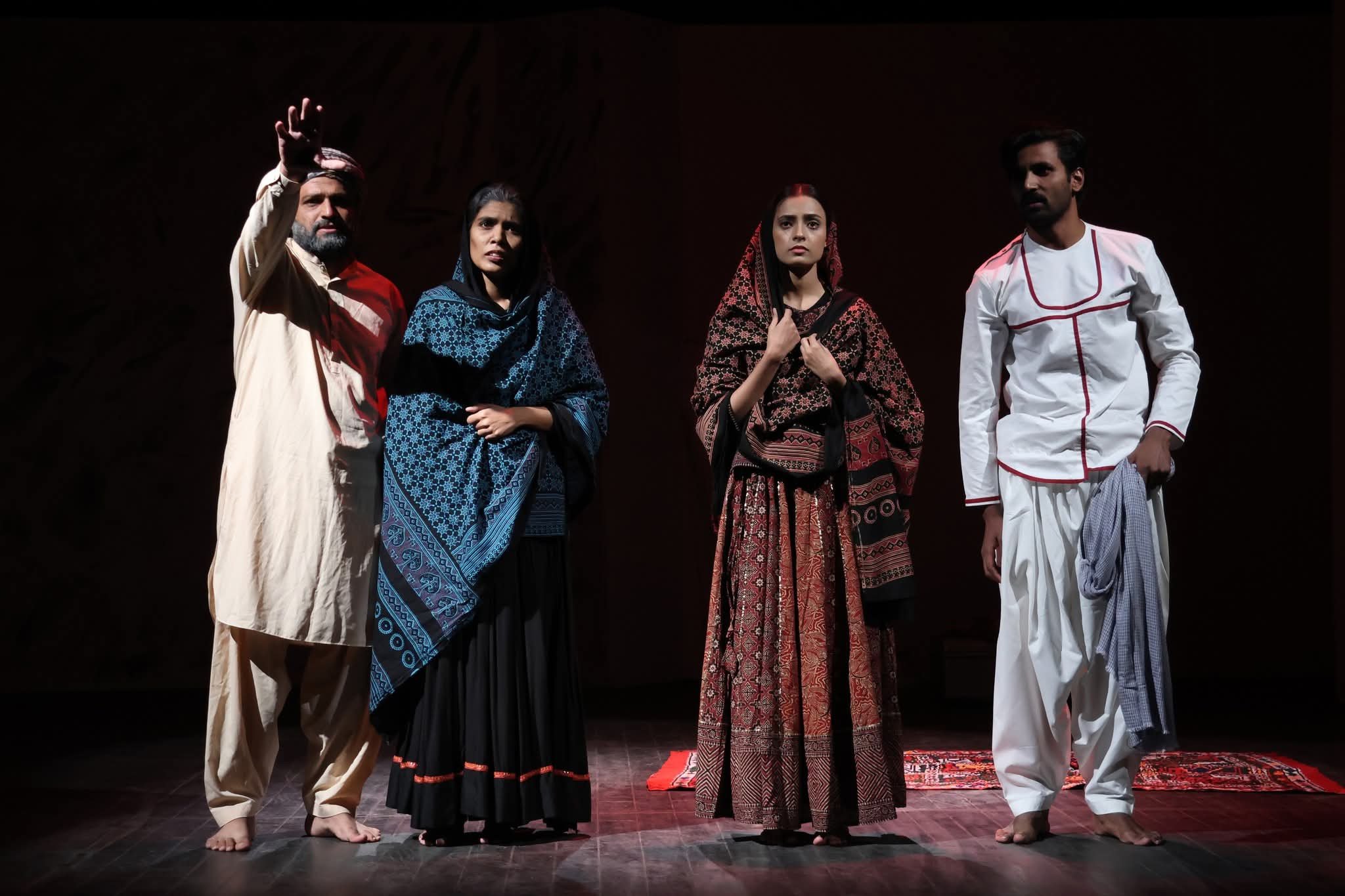
He explained that the narrative spans multiple generations, with characters Sukhan, Ambaram, and Janu—each depicted in both younger and older guises. “These characters reflect how communities evolve around rivers and how their lives change when water disappears,” he said.
Art as a medium for difficult conversations
Bhatti emphasized the role of theater in addressing serious issues: “Theatre is not just entertainment. Even if society doesn’t change immediately, art should make people think. The water crisis is still there—in fact, it’s getting worse.”
Sharing a personal connection, he said he belongs to Umerkot, an area that once depended on running river water. “The water that nourished our lands has shifted to Rajasthan. Whole areas have dried up. This crisis is real for our people.”
He added that cultural work remains his priority: “Art gives us a way to explain the world. It helps us communicate positive messages and remind people of their heritage.”
a href=”https://tribune.com.pk/story/2578026/the-dead-river-play-reimagines-the-lost-river-hakro”>Source link



