
TOKYO:
The former Nakai band star was charged with a tabloid last month of sexual assault on a woman in 2023, allegedly paying her about 90 million yen (about $ 570,000) as she signed a non -disclosure agreement.
Furore culminated last week with Nakai, 52, one of the most famous hosts on Fuji television, announcing his retirement.
The company’s top executives resigned on Monday, after facing increasing criticism of the case.
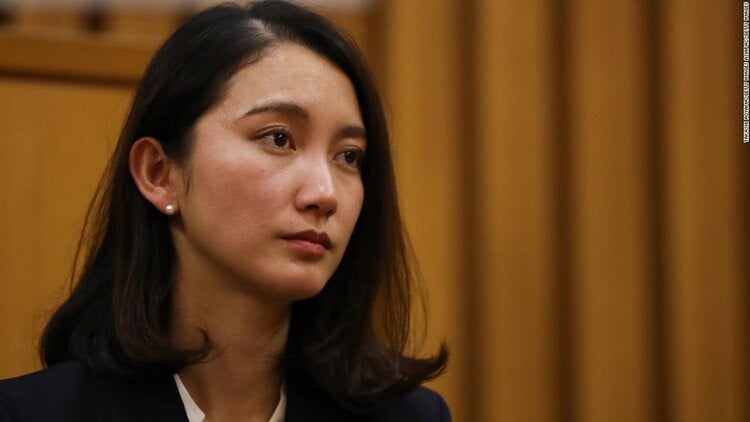
Shiori Ito, who won a milestone in 2019 against a prominent television journalist accused of rape, said he was not surprised to hear about Nakai allegations.
“Japanese media are more comfortable in (reporting) sexual violence compared to when I got in 2017,” said ITO, 35, who has turned her test into an Oscar -set documentary.
But the journalist added: “I am frustrated because of the way the media is always, and they still cover these cases for powerful people, not just Nakai, but sitting in the meeting room.”
In the case of Nakai, most Japanese media used the word “problem” instead of directly referring to the claims of sexual violence – something that feels “so crazy”.
“It could sound like there was a romantic involvement,” or as “the woman must have done something,” he said.
Battle of a survivor
Despite several cases of high profile, Japan has never seen the explosion of #Metoo claims, ITO said.
Instead, in Japan, survivors who reveal their identity take “all these stones that are thrown at them, these unpleasant words online,” ITO said.
“I knew how difficult it would talk about my case, as a woman, with my face and my name, but I am still constantly trolled,” he said. “It does not create a safe space for other survivors who might want to want to talk to seek justice.”
Government investigations in Japan show that few rape victims report crime in the police, although the number of consultations in sexual violence centers is increasing.
Former soldier Rina Gonoi won praise, but also faced an online hatred when he posted on YouTube to sexually attack male colleagues, three of whom later were hovering prison sentences.
Earlier this month, Fuji Television president – who resigned Monday – admitted that the channel was aware of the Nakai scandal before referring to the media and dozens of brands pulled their advertising from the network.
Some media described an endemic culture in the context of Japan’s entertainment industry for the leading Wining and Dining presenters, with female employees often invited to participate in such parties.
Ito said that this “toxic culture” is easy to imagine because “sexual violence, harassment, always happens when power is imbalanced”.
Art that mimics life
Ito claims that former television journalist Noriyuki Yamaguchi – with close links to then Prime Minister Shinzo Abe – raped her after inviting her to dinner to discuss a job opportunity in 2015, denies the accusations.
Black Box Diaries’ film, appointed for the best documentary at the Academy Awards, shows how it was initially ignored by police, prosecutors and many media.
Having told ITO that there was insufficient data, the police said then that he would arrest Yamaguchi – before suddenly supporting.
In the film, ITO records a police investigator who tells her that the order came from “higher”.
Eventually it gained $ 30,000 in a bourgeoisie, followed by a cruelty of Japan’s rape laws.
While the documentary has appeared around the world, it has not been released in Japan.
A lawyer representing ITO said the documentary uses videos and sound that was secretly shot or was destined for a court, which is “legally and morally problematic”.
“Even if we were responsible for the Oscar, I wasn’t able to show my movie in Japan,” ITO said.
“I still feel so isolated.” AFP
a href=”https://tribune.com.pk/story/2526005/survivors-get-stones-thrown-at-them”>Source link



