KARACHI:
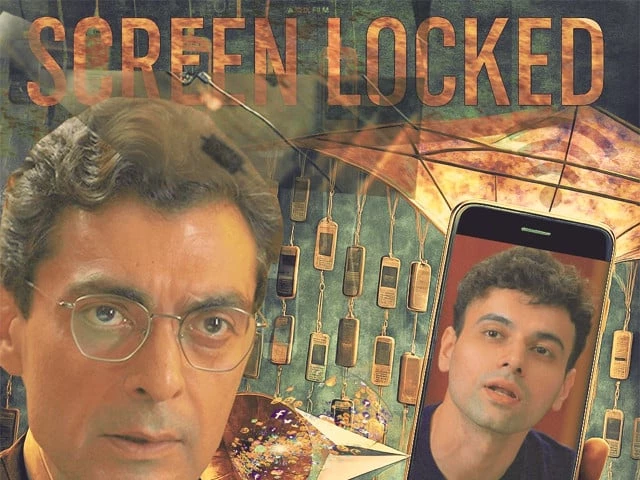
The short film ‘Screen Locked’ broke through the walls of the traditional cinema and sparked a serious national debate about digital addiction as policymakers, academics and cultural actors address the growing mental health risks associated with screen addiction in modern life.
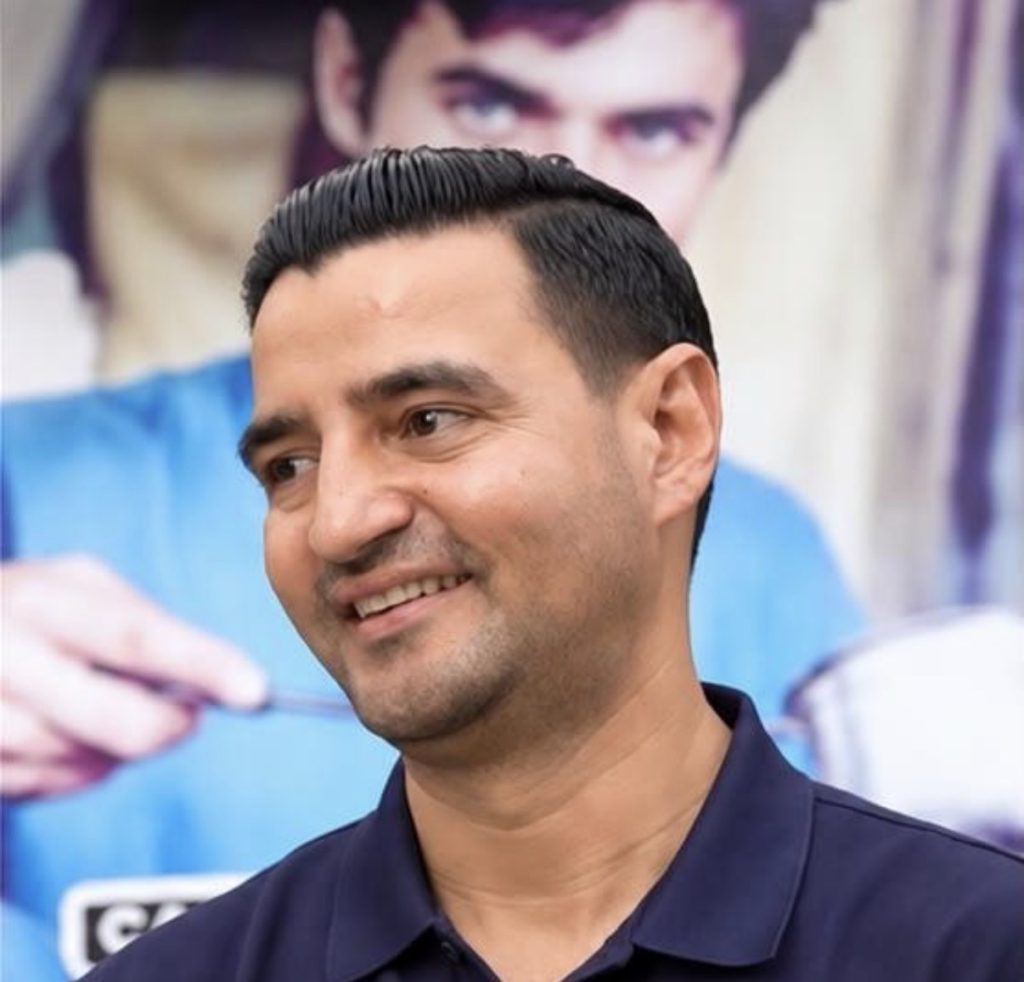
Directed by award-winning director Khalid Hasan Khan, the production features well-known actor Ali Khan along with Atbaq Mohsin. Together they illustrate, with undiminished clarity, the psychological impact that modern technology and constant connectivity can impose on human behavior, relationships and emotional balance.
The film’s central philosophy emphasizes the urgent need for careful digital engagement, warning that the relentless pursuit of online validation, likes and virtual identity has created a form of digital narcissism that is now reshaping society, particularly among younger and more connected populations.
“Screen Locked” argues that true freedom in the 21st century lies not in constant attachment to devices, but in the ability to intentionally disconnect and reconnect with real relationships, lived experience and inner awareness, restoring a healthy distance from technology.
In an unprecedented move in the history of the country’s management education, the National Institute of Public Administration (NIPA) in Karachi hosted a special screening aimed at sensitizing policy makers to the growing mental health pressures resulting from excessive screen use and digital compulsion.
Speaking at the session, Dr Syed Saifur Rehman described the film as a timely intervention on “a very important and sensitive subject”, saying it offered “a great lesson on maintaining balance in life” at a time of rapid technological acceleration.
The projection went beyond an ordinary projection. Through structured feedback, open discussion and a question and answer session, the film’s themes were directly linked to mental health, public service decision-making and public service quality in an always-connected environment.
By the end of 2025, the film had reached other intellectual circles. In Islamabad it was screened at The Black Hole, where physicist and author Dr Pervez Hoodbhoy moderated a focused discussion examining the neurological and scientific implications of constant digital stimulation.
Lahore followed, with “Screen Locked” featured prominently at the School of Tomorrow Events 2025 at the Awa Garden Marquee in late November. A wide-ranging exchange between director, actors, teachers and intellectuals highlighted that tackling screen addiction is a collective social duty.
Through these varied and important screenings, Screen Locked has emerged as more than just a film.
It has positioned itself as a catalyst for social reflection, urging both individuals and institutions to prioritize digital well-being, mental balance and authentic human connection at the heart of public life.
a href=”https://tribune.com.pk/story/2584380/screen-locked-sparks-debate-on-digital-fad”>Source link