
Accessibility for Pakistan’s youth raises concerns over addiction, weak laws
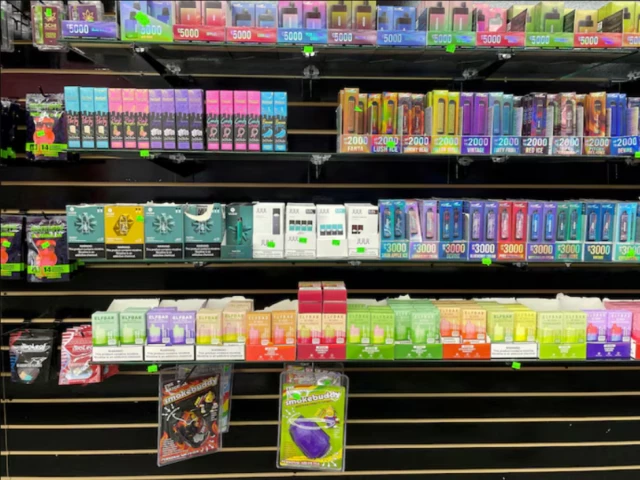
A store that displays electronic cigarettes and vaping products. Source: Reuters
Pakistan has seen a dangerous shift in the way youth are being targeted by the tobacco industry. Once dominated by conventional cigarettes and smokeless forms like naswar and gutka, the market has expanded to include e-cigarettes and vaporizers among other new nicotine products.
These products, often disguised in colorful packaging and sweet flavors, are marketed as “safer alternatives” – a narrative that resonates dangerously with impressionable youth seeking novelty and acceptance. Walk the streets of major urban centers like Islamabad, Lahore or Peshawar and it’s easy to spot small kiosks selling vapes in fruit, caramel or mint flavours.
These products are cheap enough to fit in a teenager’s pocketbook and are easily accessible due to lax enforcement of age restrictions. A lack of awareness among parents and school authorities allows the problem to spread silently, making it harder to detect until the addiction has already taken root.
“The industry is creating a false sense of security by promoting e-cigarettes as less harmful,” said Qamar Naseem, a civil society activist working on tobacco control in Khyber Pakhtunkhwa. “In reality, nicotine remains addictive and harmful, especially to young brains that are still developing. These tactics are designed to lock young people into lifelong addiction,” he said.
Read: The tobacco sector: potential challenges and the illegal trade
The strategy of the tobacco industry is clear. by presenting vaping and e-cigarettes as ‘trendy’ or ‘cool’, it exploits the curiosity and social insecurities of young people. Flavored products are designed to mask the harshness of nicotine, creating an illusion of harmless fun while creating addictive patterns.
Once addicted, young consumers are more likely to switch to other tobacco products, ensuring a long-term customer base for the industry.
The data from Pakistan paints a worrying picture. A 2019 Global Youth Tobacco Survey revealed that over 10% of 13–15 year olds use some form of tobacco. More recent observations from civil society groups suggest that this number may have increased with the rise of vaping and e-cigarettes.
The lack of regulation means that companies and importers can continue to market these products without clear restrictions, often circumventing advertising bans by relying on social media platforms.
“Every week, I see teenagers as young as 14 buying vapes from shops near schools,” said Alvina Javed, a youth rights activist in Peshawar. “Easy access and attractive flavors make it almost impossible for young people to resist. Unless the government intervenes, we are heading for a new epidemic of nicotine addiction among young people,” he warned.
Nicotine is highly addictive and harmful to the developing brain. Research has linked early use to long-term cognitive and behavioral issues, including difficulties with attention, impulse control and learning.
Read more: Tobacco exports likely to reach $150 million this year
Furthermore, e-cigarettes are not harmless. expose users to harmful chemicals that can cause lung injury and other health complications.
Pakistan has taken measures to control tobacco through frameworks such as the ongoing National Tobacco Control Strategy launched in 2022, and provincial road maps. However, these efforts remain focused on traditional tobacco products. Without urgent policy action, new nicotine products will continue to slip in, undermining efforts to reduce tobacco use.
The future of Pakistan’s youth should not be sacrificed on the altar of profit. By acting now to regulate and restrict new nicotine products, policymakers can protect new generations from a lifetime of addiction and ill health.
a href=”https://tribune.com.pk/story/2577392/rise-of-vapes-e-cigarettes-fuels-new-nicotine-risks-for-pakistans-youth”>Source link



