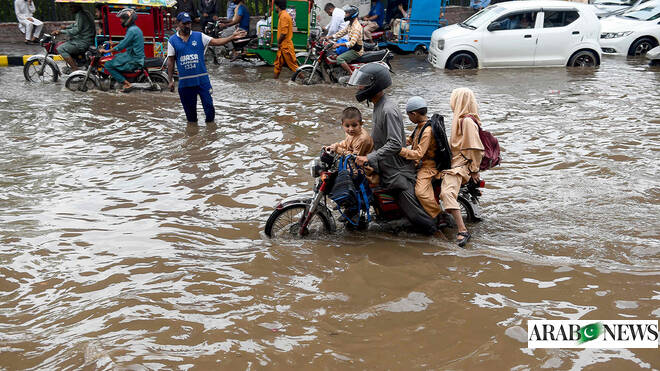
Pakistan’s monsoon season has killed at least 90 people in rain-related incidents since late June, with the National Disaster Management Authority issuing a fresh alert warning of flash flood risk across multiple districts of Punjab, Khyber Pakhtunkhwa and Balochistan through July 17 (Arab News).
At least seven people were killed and 33 injured in Khyber Pakhtunkhwa alone after houses collapsed under heavy rainfall and strong winds, provincial disaster management officials said. Flash flooding was reported in low-lying areas across multiple KP districts. Balochistan — where Operation Shaban is simultaneously ongoing — faces compounding pressures as both security operations and monsoon flooding strain provincial emergency response.
The NDMA alert covers districts in all three provinces and warns residents in flood-prone areas to move to higher ground and avoid crossing rivers and streams. The authority said heavy rainfall was expected to continue through the alert period, with landslide risk elevated in hilly areas of KP and parts of the Hazara division.
Context
Pakistan is among the countries most exposed to climate-driven flooding in Asia. The 2022 floods, which killed more than 1,700 people and affected 33 million, remain the benchmark against which each subsequent monsoon is assessed. The 2024 and 2025 seasons also produced significant casualties and crop damage. Early monsoon patterns in 2026 have been consistent with the intensified rainfall trend that climate scientists have linked to warming sea surface temperatures in the Arabian Sea.
Pakistan’s federal and provincial disaster management agencies have been investing in early warning systems and pre-positioned relief stocks since 2022, but resource and capacity constraints — particularly in Balochistan, where the security situation compounds logistics challenges — mean response capacity remains uneven across regions. The NDMA’s July 17 alert is a standard seasonal advisory; whether it translates into effective pre-positioning will depend on conditions in the coming days.