
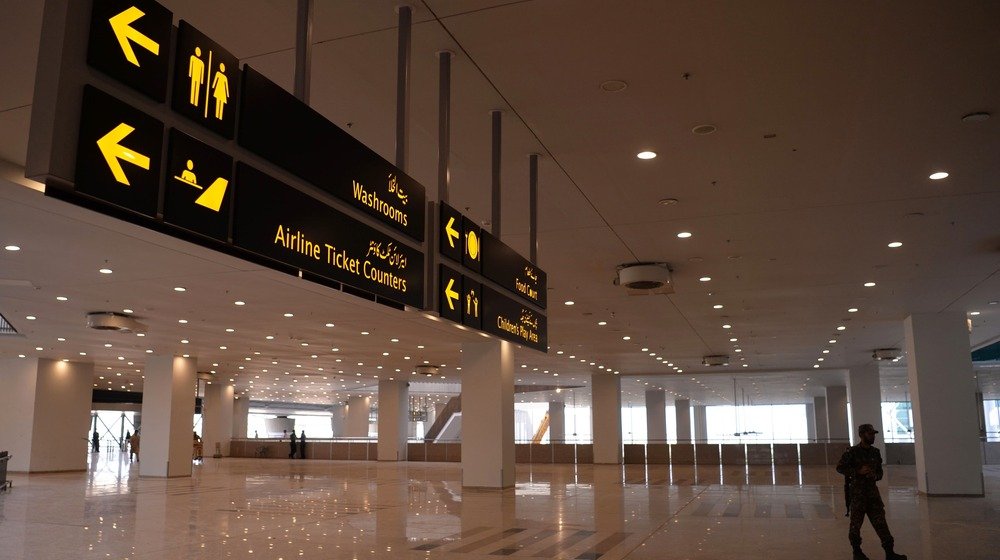
Pakistan’s federal government has formally added Jinnah International Airport in Karachi, Islamabad International Airport, and Allama Iqbal International Airport in Lahore to its revised five-year privatisation programme, placing them in the first phase with a target completion within one year (ProPakistani; Daily Pakistan; Profit by Pakistan Today).
The three airports were not included in Pakistan’s previous privatisation programme. Their addition to the revised five-year roadmap — which covers 25 state-owned enterprises across three phases — reflects a government drive to reduce SOE losses, attract private management expertise, and generate proceeds that can reduce fiscal pressure.
The government has been considering a range of options for the three airports: management contracts, long-term commercial concessions, and partial equity sales. In November 2025, the government switched from government-to-government (G2G) mode to an open competitive bidding process after receiving “high levels of interest from various investors” in the airport concessions.
What privatisation means for the airports
Pakistan’s airports under Pakistan Airports Authority (PAA) management have generated significant losses while serving growing passenger volumes. Islamabad International Airport (IIAP), which opened in 2018, is among the largest in the region by footprint but has operated below capacity and with chronic commercial shortfalls. Karachi’s Jinnah International handles the highest passenger volumes; Lahore’s Allama Iqbal serves the second-highest.
A management concession — the most likely near-term structure given the complexity of full privatisation — would transfer operational control to a private operator for a defined period while the government retains ownership of the physical infrastructure. This model has been used successfully at airports in Turkey, Egypt, and India, where private operators have driven significant improvement in revenue, retail, and passenger experience.
The IMF programme has pushed for accelerated SOE reform and privatisation as a condition of fiscal consolidation. The airports’ inclusion in the first phase — targeted for completion within a year — suggests the government has received sufficient investor interest to believe the transactions are executable, not merely aspirational.



