
PUBLISHED November 23, 2025
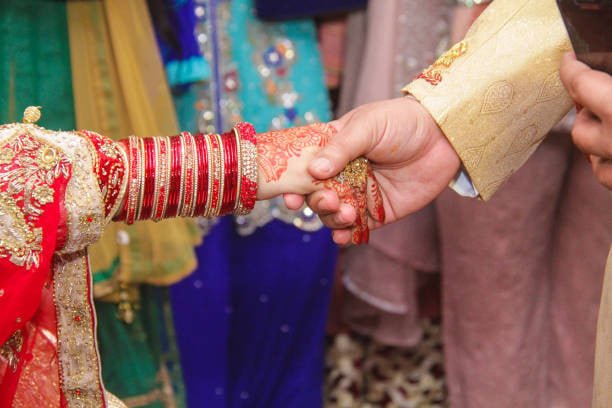
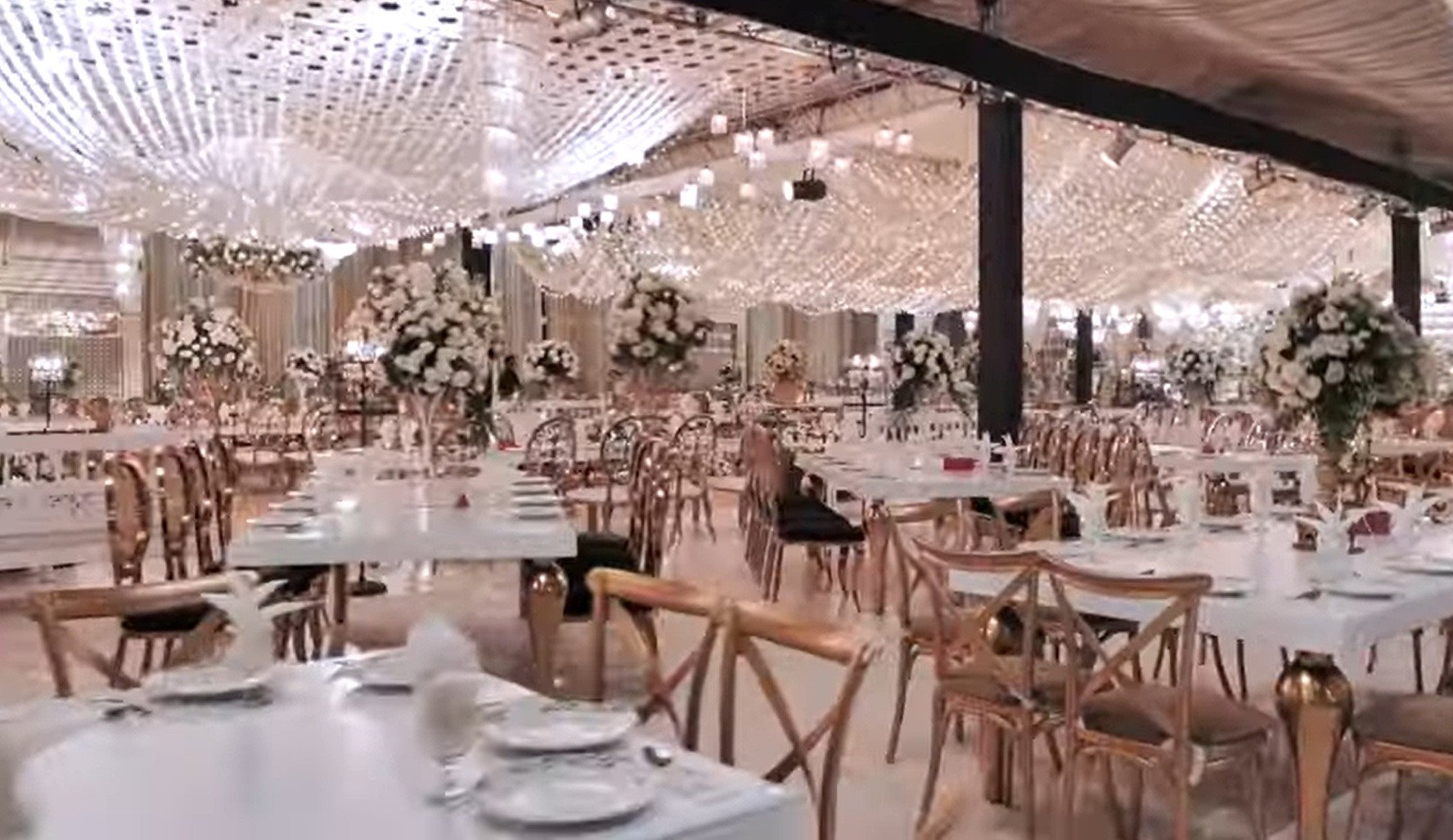
For decades, winter in Pakistan has been characterized by the glitter of weddings in grand ballrooms, outdoor marquees and a blur of mehndis and baraats that fill the chilly December evenings. But the traditional ‘shaadi season’, once synonymous with the cold weather at the end of the year, is changing fast.
Event planners, designers and venue owners in major cities say Pakistan’s wedding calendar is shifting earlier, with October and November now competing with December and January as peak months. What started as an occasional adaptation has become a widespread trend, reshaping one of the country’s most beloved cultural rhythms.
Families have flocked to booking and catering sites in recent mid-years to reserve services and spaces for the best time of year, from November to February, when temperatures drop and humidity decreases. The logic was simple: the weather was pleasant, heavy wedding dresses could be worn comfortably and relatives abroad, particularly those in the Gulf, UK or North America were home for the holidays.
“December weddings were almost a tradition in themselves,” says Sadia Khan, an Islamabad-based wedding planner with 15 years of experience. “Our busiest days started around mid-December and lasted until January. We barely had time to sleep.”

With venues often booked six months or a year in advance, the support industry of makeup artists, photographers and decorators sprang into action and charged premium prices. The rush was so intense that Pakistanis would humorously call it a wedding marathon, where guests sometimes attended two or three events in a single night.
This pattern, however, is beginning to change. Starting in 2022, the rush starts earlier each year. By mid-October, cities like Lahore, Karachi and Islamabad are now witnessing full-scale wedding activities from packed saloons to traffic jams near banquet halls.
“Our peak season starts in October now,” says a wedding photographer from Karachi. “Couples don’t want to wait until December anymore. The weather is perfect and everyone is tired of paying twice for the same services.”
Matrimonial portals like Shehnai.pk and Event Planet Pakistan have confirmed the trend. Their booking data shows that October and November are steadily catching up to December in popularity, extending the short winter season into a six-month festive window that runs from October to March.
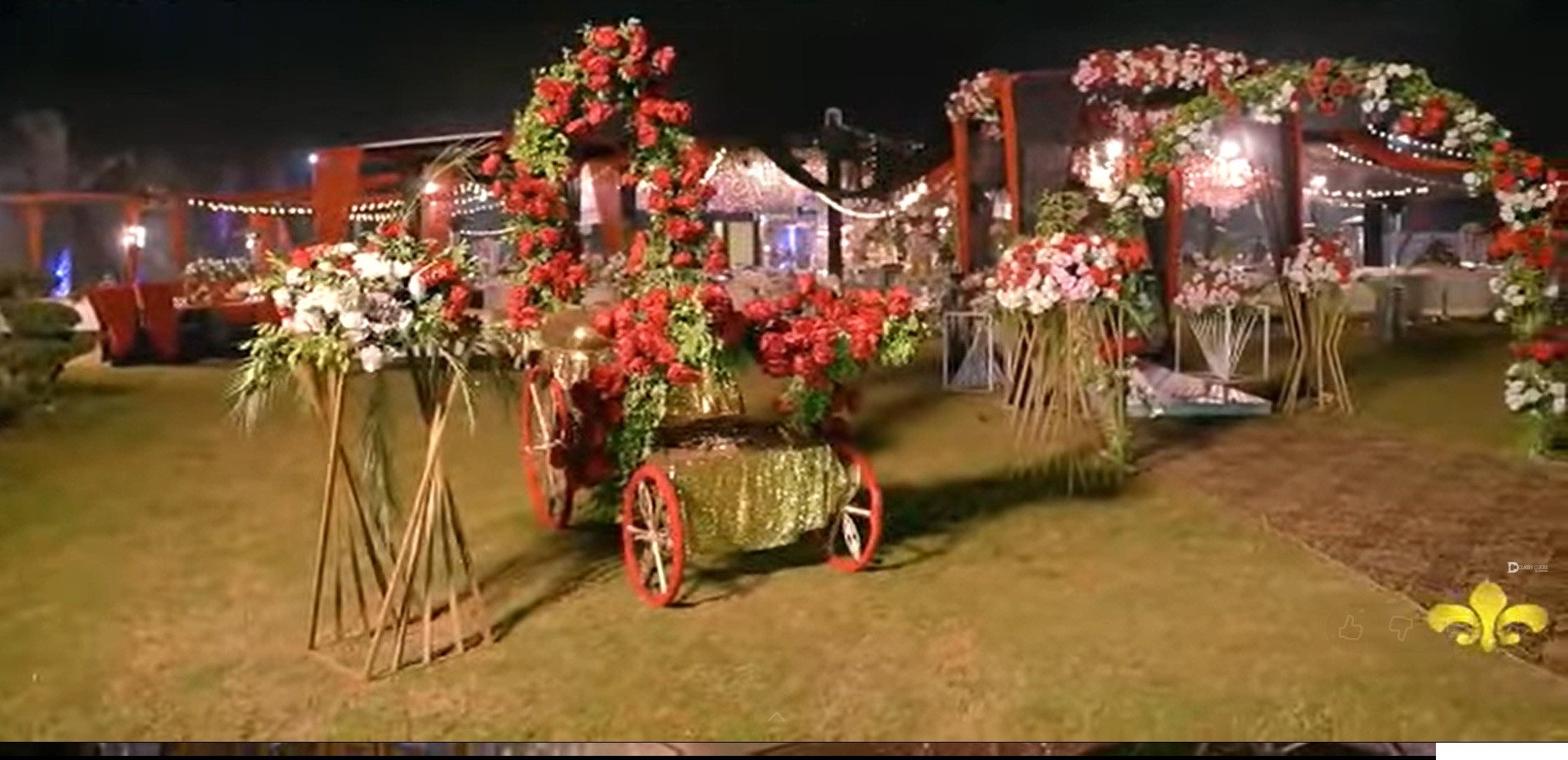
Pakistan’s climate has become warmer and less predictable. Shorter winters mean November now offers the same cool evenings once exclusive to December. The fall months are now becoming more comfortable for outdoor events.
Inflation is another important factor. With gold, catering and decoration prices soaring, families are opting for earlier dates to avoid peak season surcharges. Venues charge up to 20 percent more in December, while November offers customers the same atmosphere at a lower cost.
As urban populations grow and the number of luxury venues remains limited, securing a reservation in December becomes increasingly difficult. Many families are now planning October or November weddings just to get the date they want. “By the time the December calendars open, it’s all gone,” says a Sadia Khan. “Either you move early or settle for second best.”
Pakistan’s large diaspora has also affected the shift. With expensive air tickets and limited holiday windows in December, many Pakistanis abroad prefer to travel in autumn. October and November offer lower ticket prices, milder weather and fewer scheduling conflicts. Islamic months play an important role in the timing of marriage.
Many families avoid Muharram, Ramadan, Safar etc. which are considered months of solemn piety or mourning. Based on the lunar year, these holy months often fall in late summer, marking October as prime for celebrations. This year, for example, Muharram ended in mid-September, causing a flood of October bookings.
The extended season has had ripple effects in Pakistan’s multi-billion-rupee wedding industry. From florists and caterers to designers and photographers, businesses are adapting to a larger and more stable workflow.
“Instead of one crazy month, we now have four busy ones,” says Samina Malik, events manager. “It’s easier to manage staff and supplies. We can schedule better and customers are happier with more flexibility.”
According to industry estimates, Pakistan’s wedding economy worth between $6 billion and $8 billion annually now enjoys a more balanced distribution of revenue throughout the year. Hotels and marquees that once relied on December bookings report strong occupancy in other months as well. However, the extended season also brings logistical pressure. There is no real downtime anymore. Before, March and April were quiet months. These are also busy months.
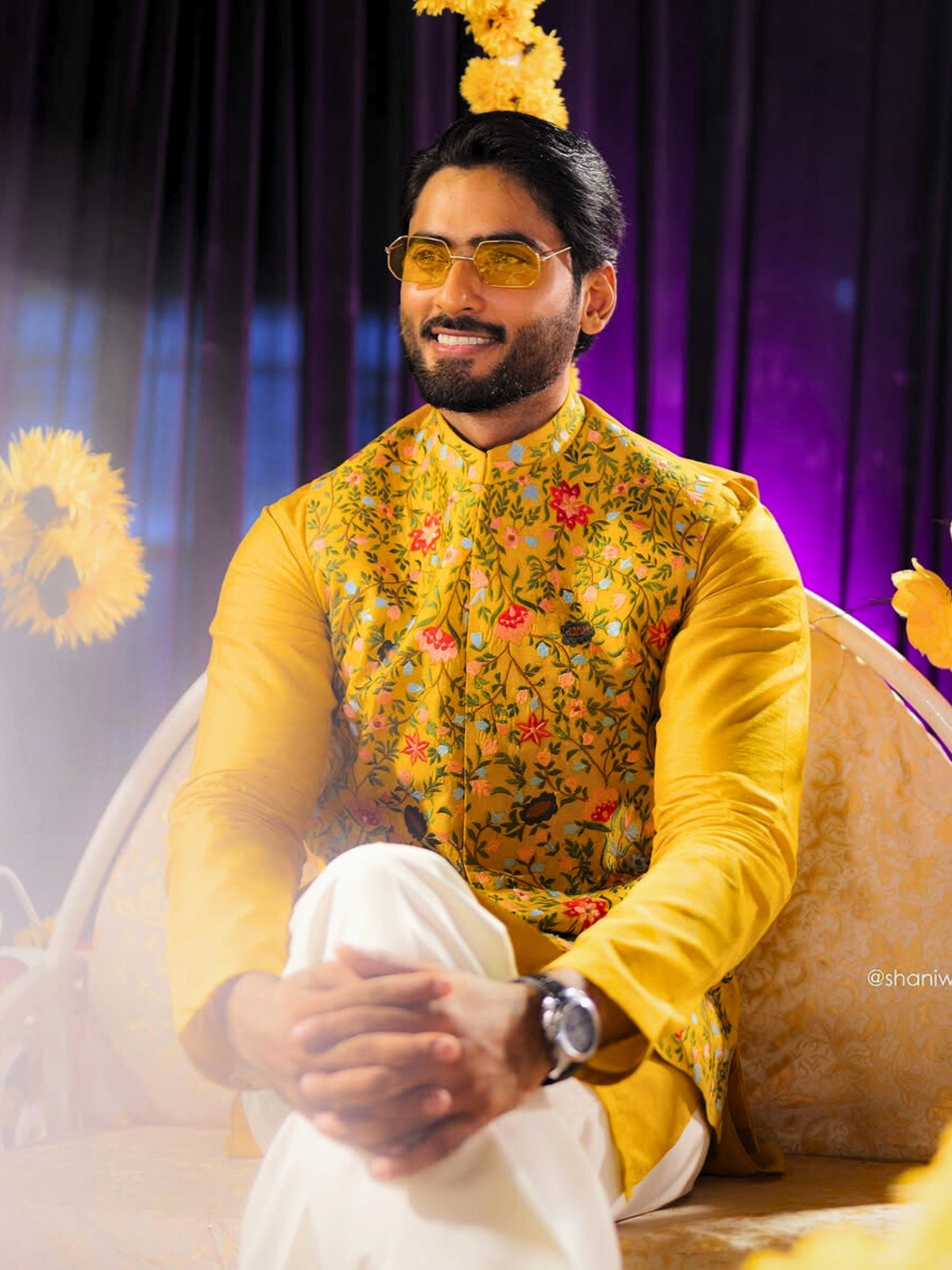
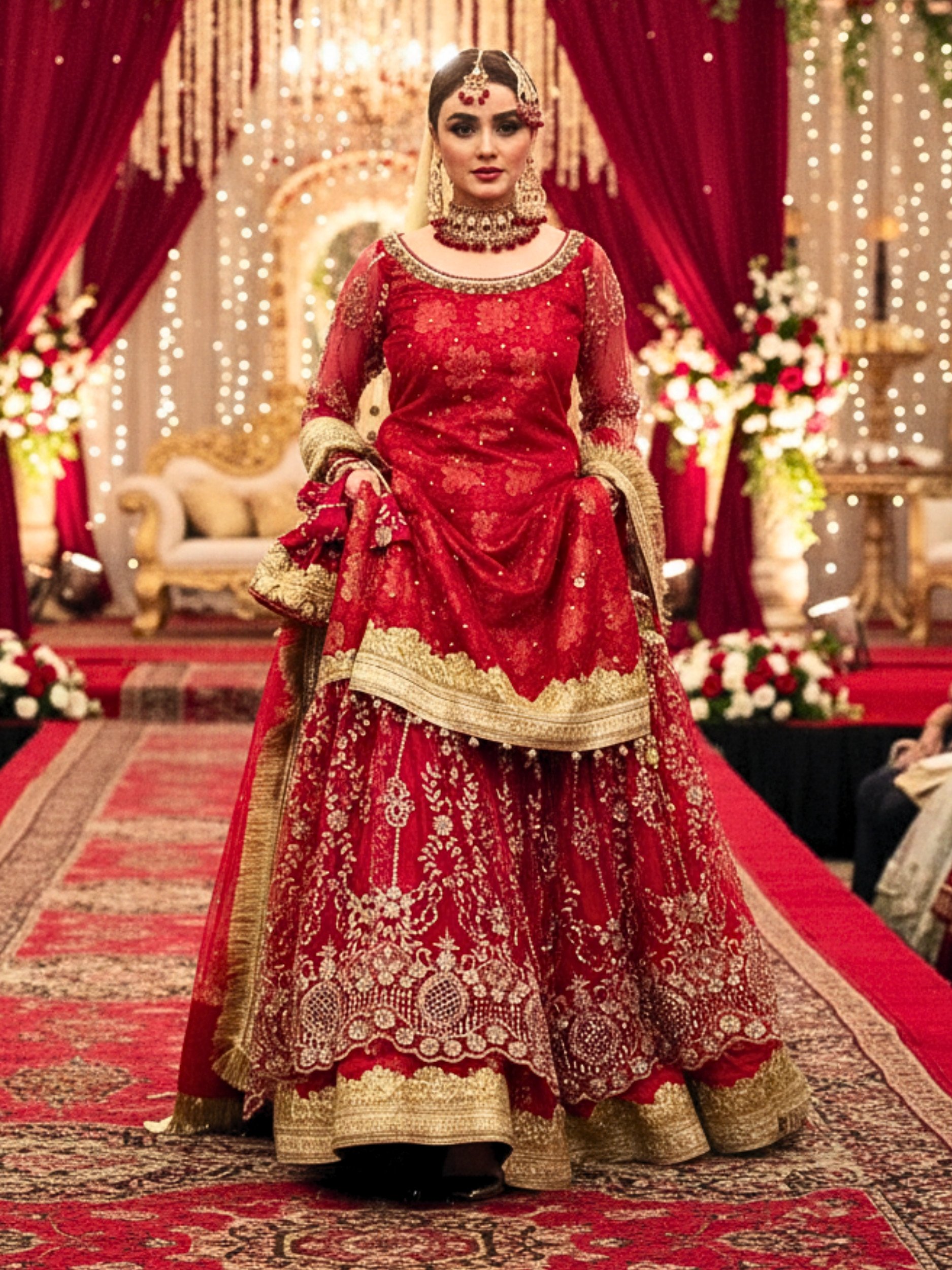
Pakistani fashion houses have been quick to adapt to the changing calendar. Top bridal designers like Nomi Ansari, HSY, and Maria B are now unveiling bridal collections in late summer rather than fall to accommodate older wedding orders.
With wedding dress prices soaring, many customers are also opting to book earlier to avoid inflationary increases later in the year. If you order a dress in July for an October wedding, you can save a significant amount.
For families, the new schedule offers both relief and challenges. Hosting weddings in other months cuts through the chaos of overlapping December events and makes it easier to secure quality vendors. But it also means changing long-standing habits.
“When my daughter chose November for her wedding, some relatives were surprised,” says Ghazala Ahmed, a resident of Karachi. “They thought December was the only time. But the weather was great, the guests were comfortable, school holidays for winter holidays and everything costs less. Now my nephew is planning October next year.”
The change is also welcomed by beauty salons that have long shouldered the pressure of December appointments for a short, high-pressure wedding season. Sundus Rizwan, who runs a popular bridal institute in Rawalpindi, said the previous wedding season made her work much more manageable.
“In December, we used to work non-stop sometimes three brides in one day,” says Sundus. “Now, with weddings spread over October and November, we can work more comfortably. Brides get more attention and our team is not constantly exhausted. This change has really improved the quality of our work.”
He added that customers benefit from the more relaxed schedule. “When everyone wants the same few dates in December, it becomes stressful for families. Earlier weddings give them more options – and for us, it means we can give each bride the time she deserves.”
Sundus also noted that the growing trend of day weddings has further reduced the workload: “Day events are a blessing. We can do two or three brides in the morning and another two or three in the evening. The work is spread out and much easier to manage.”
The longer wedding season also helped tailors and designers, who were under immense pressure in December. Irfan, a tailor who runs a busy shop in Karachi, said the earlier wedding dates have brought a big positive change in their work.
“In December, we had no time to breathe,” says Irfan with a smile. “Everybody wanted their clothes in the same two or three weeks. We had a backlog of orders and it was stressful for us and the customers. Now that weddings start in October, the work is spread out. We can sew more carefully, finish on time and people get better quality clothes.”
He explained that customers are also placing their orders earlier because they want to avoid the December rush. “When the weddings are in October or November, the families don’t panic. They give us clothes earlier, which helps us plan our work better.”
Irfan added that the calmer schedule has improved the health of the tailors. “In the past, many tailors had serious back or neck problems because they sat and worked non-stop in December. Some even got sick because they didn’t rest properly. Now the workload is more balanced, so we don’t have to strain our bodies too much.”
He also said that prices are easier for customers before December. “In December, prices go up because the demand is very high. Tailors charge extra for rush orders. But in other months, prices are reasonable, so people save money too,” he said. “That’s another reason families like earlier wedding dates.”
For Zubair Shah, primarily a western clothing designer who has recently ventured into bridal and groom wear, this year’s early wedding season it was a pleasant surprise. “It has created an unexpected surge in demand for my design house,” he says. “Clients are looking for distinctly out-of-the-box and highly complex wedding ensembles earlier than usual. This confirms that personalized, tailored luxury resonates strongly, even as we manage these early orders entirely through our private studios. It’s an exciting challenge to push the boundaries of complex design for so many early-season and mid-season couples.”
Despite the older dates, the value of Pakistani weddings remains intact: multi-day celebrations full of color, music and family reunion. The sequence of mehndi, baraat and valima continues to outline the country’s social calendar, only now it begins a few weeks earlier. Sociologists note that the change reflects a broader cultural adaptation that combines deep-rooted tradition with practical modern choices. Pakistanis do not abandon the custom. They are simply adapting to new economic and climate realities. It shows flexibility without losing identity.
Experts predict that the wedding season will continue to expand, possibly bringing back strong spring months like March and April, especially for northern destination weddings in Hunza, Swat and Murree. As winters grow shorter, October may soon become the new ‘December’ for Pakistan’s wedding industry.
“The celebrations will always go on,” says Khan with a laugh. “Only the calendar changes.”
Rabia Khan is a writer covering social issues, literature and cultural values of Pakistan. You can reach her at rabiayousufzai26@gmail.com
All facts and information are the sole responsibility of the writer
a href=”https://tribune.com.pk/story/2578666/october-is-the-new-december”>Source link



