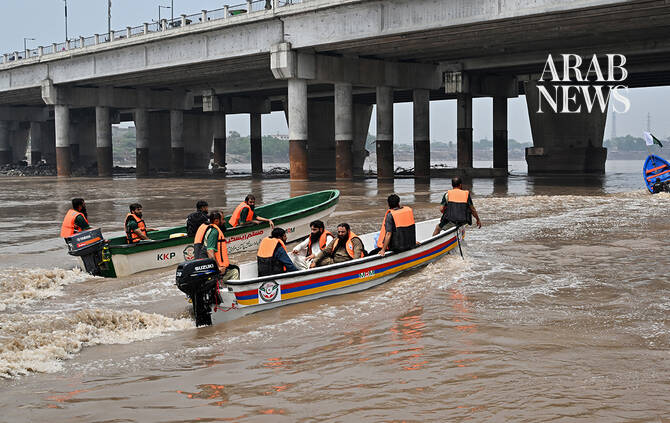
Pakistan’s monsoon death toll since late June has climbed to 72, a sharp increase from the 53 reported on July 22, as a second monsoon spell brought heavy and in some areas torrential rainfall across Punjab and Khyber Pakhtunkhwa, raising river levels, triggering flash floods and causing structural collapses across dozens of districts (Arab News; Pakistan Today; Dawn).
The second monsoon spell, interacting with a westerly wave as predicted by the Pakistan Meteorological Department, is forecast to continue through July 24. Disaster management authorities have warned that river levels in northern Punjab are rising and that the flash flood risk in hill torrent zones in Dera Ghazi Khan and northern KP remains elevated through the warning window.
Provincial breakdown
KP: 41 deaths. The northwest remains the hardest-hit province, with deaths distributed across Peshawar, Khyber, Buner, Mardan, Bajaur, Lower Chitral, Mansehra, Tor Ghar and Kurram districts. Flash floods in local streams and structural collapses in rural areas account for most fatalities.
Punjab: 19 deaths. Punjab has entered the active toll list for the first time this season as the second spell brings rain to the Pothohar plateau, Lahore and central Punjab. Urban flooding is being reported in low-lying areas of Lahore and Rawalpindi.
AJK: 7 deaths. The region has faced compounding challenges of monsoon disruption and election-period security deployments simultaneously.
Balochistan: 5 deaths. Northeastern Balochistan districts continue to face dual-front challenges of Operation Shaban and monsoon flooding.
Zardari directive
President Asif Ali Zardari issued directives on July 23 to all federal, provincial and local government authorities to intensify coordinated preparedness, rescue and relief operations as the country enters what he described as a “critical phase” of the monsoon season (Express Tribune).
The NDMA has pre-positioned relief stocks and directed provincial agencies to maintain emergency response teams at full readiness. Search and rescue teams are deployed in the most active flood zones. With the monsoon season typically running through August, the toll is expected to continue rising as the season progresses through its most active period.