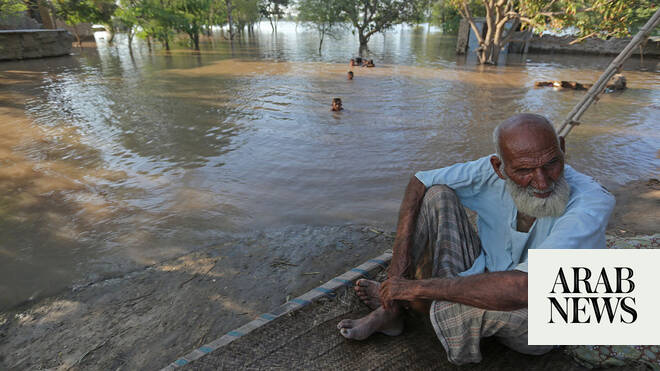
At least 18 people have been killed and 41 others injured across Pakistan since late June as the 2026 monsoon season produced its first sustained wave of rainfall, the National Disaster Management Authority reported (Arab News; Business Recorder). The Express Tribune reported 16 deaths in an earlier tally; the figure has risen as fresh incidents were reported through the first week of July.
Khyber Pakhtunkhwa emerged as the worst-hit province, with the province recording the largest share of deaths. Causes include house collapses — a chronic vulnerability in KPK’s older and informally built housing stock — flash floods in narrow mountain valleys, and lightning strikes during electrical storms. NDMA figures show 88 houses damaged and 163 livestock killed since June 26.
Forecast and preparedness
Pakistan’s meteorological department has forecast continued heavy rainfall across KPK, Azad Jammu and Kashmir, Gilgit-Baltistan, and parts of Punjab and Balochistan in the coming days. This is consistent with the early-to-mid July pattern of the monsoon system, which typically peaks in late July and August before receding.
Pakistan has experienced catastrophic monsoon seasons in recent years, most significantly 2022 when flooding killed more than 1,700 people and submerged a third of the country. The government has since invested in provincial NDMA capacity and early warning systems, though structural vulnerabilities — informal construction in flood plains, deforestation in mountain catchments, and inadequate urban drainage — remain unresolved. The 2026 monsoon has so far remained within manageable levels but is at an early stage; the cumulative risk accumulates through the season.
NDMA has activated its operations centre and deployed relief teams in the most affected districts. Provincial governments have been asked to maintain daily situation reports.