
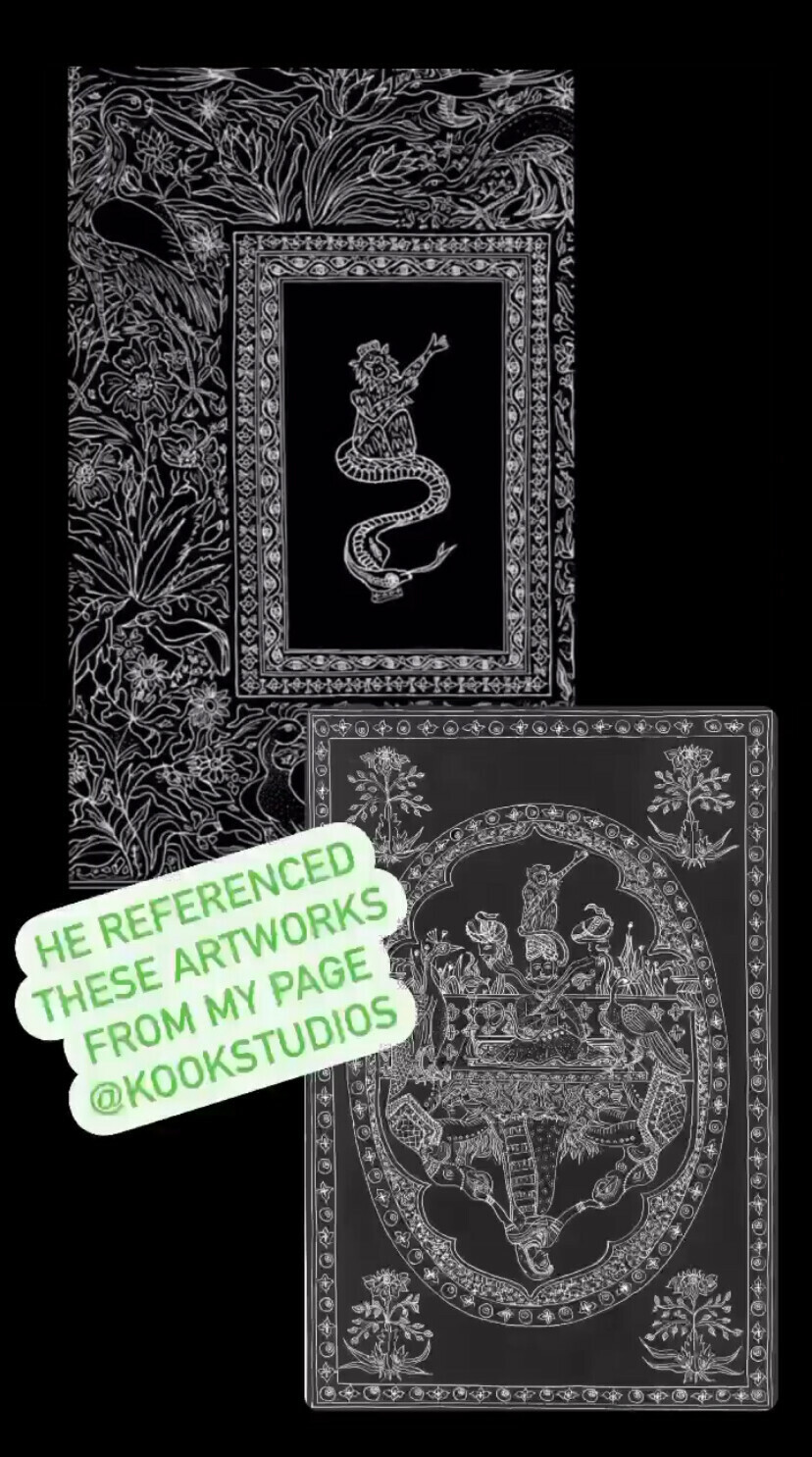
Famous atelier Hussain Rehar recently found himself in a controversy, accused of plagiarism by artist Alisha Yazdani, the owner of Kook Studio, an online store. The allegations surfaced after Yazdani claimed in an Instagram post that Rehar had allegedly “stolen” her work for his latest clothing line. Jugnuafter initially proposing a partnership.
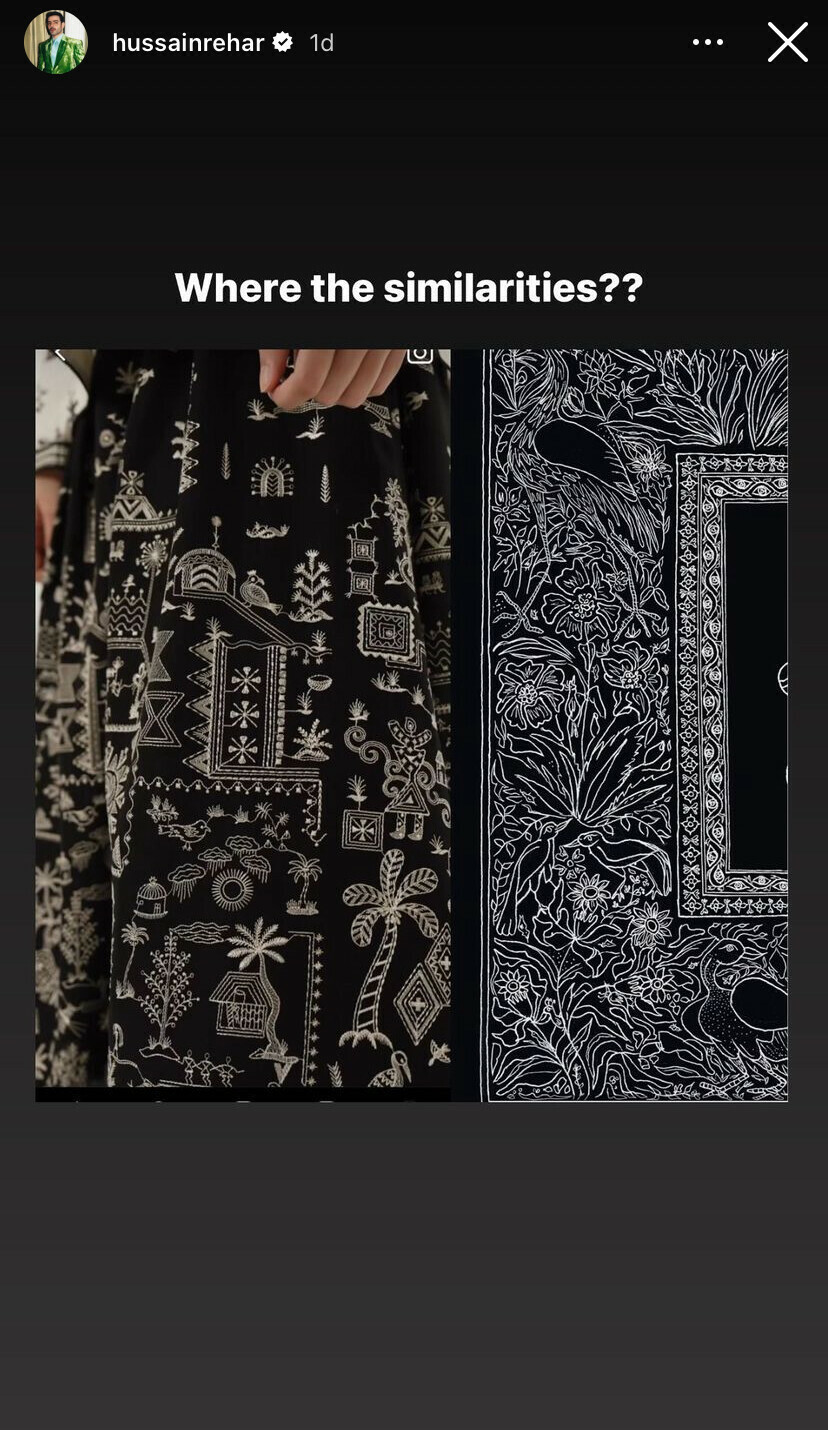
According to Yazdani, there were discussions about cooperation, but they did not materialize. However, she later noticed striking similarities between her work and Rehar’s Jugnu line. Both designs had a black background with elements such as birds, flora, fauna and traditional motifs in white.
Sharing a video on her Instagram juxtaposing his work with hers, she captioned it: “While I was in the process of finishing my own clothing line based on my color palette (white on black) and illustrations, I hear about this launch. How frustrating to live in a place where there is no concept of accountability and copyright. Please share if you feel the same way.” Yazdani later added, “Edit: I never provided any of my work since negotiations fell through after meeting him. Months later I see a whole series reproducing my work.”
In response, Rehar took to his Instagram stories, vehemently denying the allegations. He claimed that Jugnu drew inspiration from traditional African embroidery designs and was not influenced by the work of any particular person. Rehar attributed any lack of communication to project delays and clarified that they were not indicative of bad intentions.
“We intend to clarify the Jugnu project and the recent discussions about its sources of inspiration. It is important to note that Jugnu did not draw inspiration from the work of any particular person. Any interruption in communication with a particular artist was due to project postponement and not a reflection of our intentions. Our contact with artists has always been driven by a genuine desire for collaboration and creative exchange. If our intention was to appropriate someone’s work, we would not have initiated contact in the first place.”
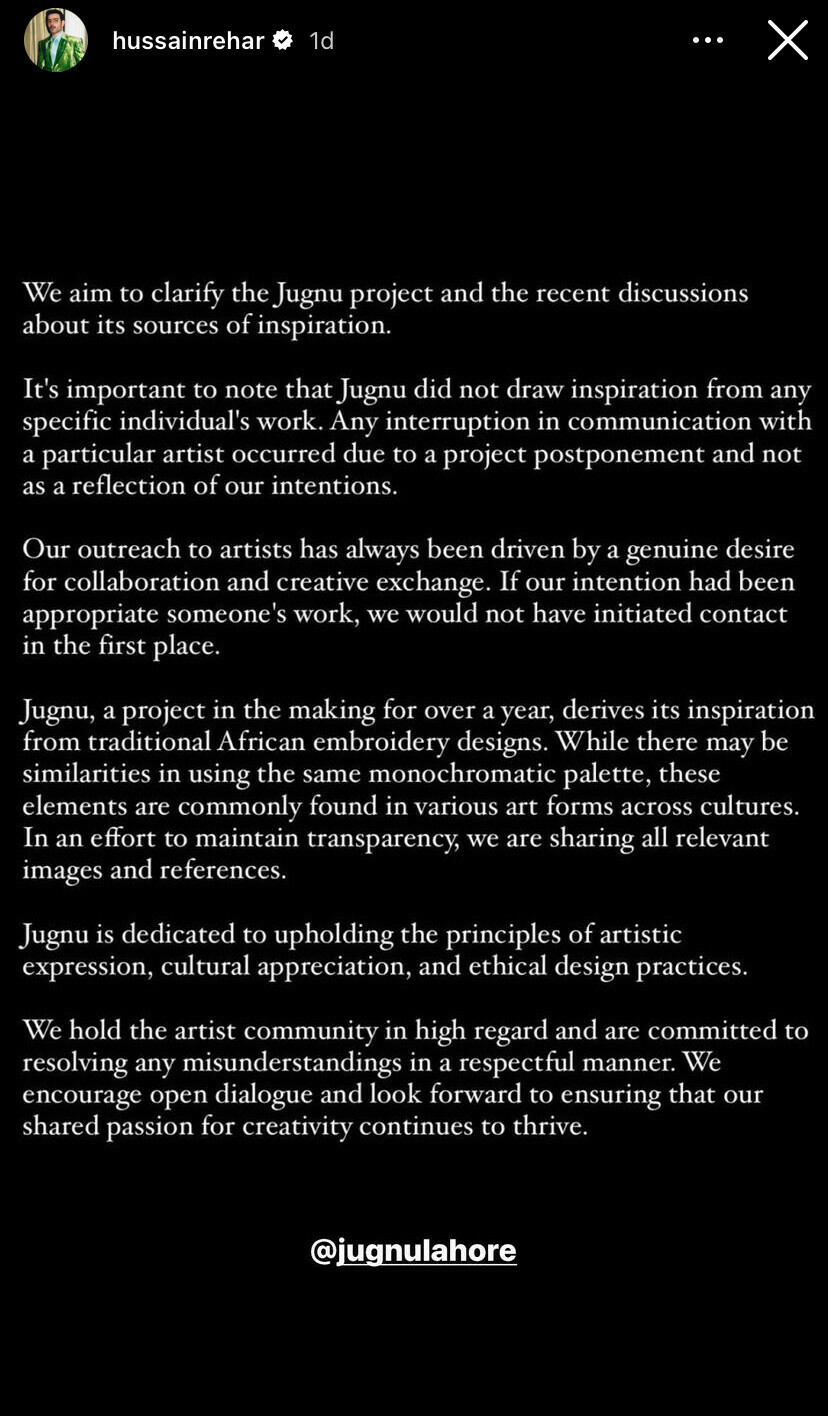
Rehar went on to add that Jugnu is over a year in the making and draws its inspiration from traditional African embroidery designs. While both artists may have used a monochromatic palette, “these elements are commonly found in various art forms in different cultures. In an effort to maintain transparency, we are sharing all relevant images and reports.”
The designer assures that “Jugnu is committed to upholding the principles of artistic expression, cultural appreciation and ethical design practices. We respect the artist community and are committed to resolving any misunderstandings respectfully. We encourage open dialogue and look forward to ensuring that our shared passion for creativity continues to thrive.”
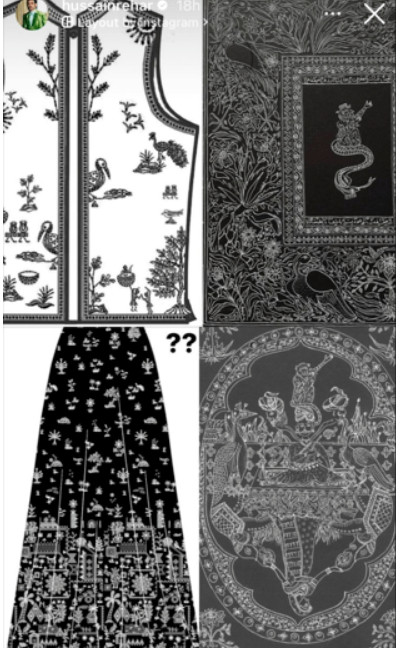
To support his position, Rehar also posted images that compared Yazdani’s work to the Jugnu series, highlighting the differences where he highlighted similarities in design elements, spacing and style.
However, since Yazdani’s allegations surfaced, an online store called Jugnu Candles has also accused Rehar of copying his trademark and image for Jugnu’s clothing line. The store revealed their attempt to resolve the issue with Rehar representatives, claiming that there is no willingness to address the issue.
As the situation develops, it remains to be seen how Rehar deals with the allegations leveled by Jugnu Candles and how the fashion community and the public will respond to these allegations of plagiarism.
a href=”https://tribune.com.pk/story/2440307/designer-hussain-rehar-denies-plagiarism-accusations-against-his-clothingline-jugnu”>Source link



