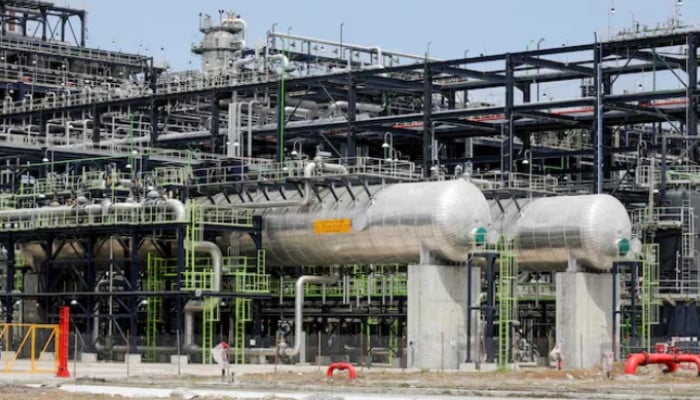
Pakistan’s long-stalled refinery modernisation is gathering pace, with five domestic refineries planning to invest between $4.5 billion and $5 billion in green fuel, bottom-of-barrel and capacity expansion projects (Geo News, citing The News).
The breakthrough is Pak-Arab Refinery Company. Parco, the country’s largest refinery and a 60:40 joint venture with the United Arab Emirates, has agreed to proceed with a $600 million green fuel project after commissioning two studies to determine the right upgrade route. Its management has told the government it will sign within the required timeframe.
A senior Petroleum Division official said agreements for all local refineries were being finalised and are expected to be signed simultaneously at a ceremony with Prime Minister Shehbaz Sharif. Under the amended Brownfield Refineries Upgradation Policy, refineries must sign implementation agreements within 45 days, down from 60.
What the money buys is the end of furnace oil — the heavy residue Pakistani refineries produce in volumes the power sector no longer wants and which has to be exported at a loss. Parco has already cut its furnace oil share from around 20 per cent to 14 per cent through operational changes. The green fuel project is expected to take it to 10 or 11 per cent in the first phase, with the second phase eliminating it altogether. Parco must also move from Euro-III to Euro-V specifications, with motor gasoline output rising from about 3,678 tonnes a day to 4,023 and diesel production also increasing.
Pakistan Refinery Limited has chosen the most ambitious project of the group: $1.8 billion to $2 billion on a bottom-of-barrel scheme that would eliminate furnace oil production and double crude refining capacity from 50,000 barrels a day to 100,000.
Attock Refinery Limited has confirmed it is ready to sign, with its managing director saying the refinery remains committed to the project announced in 2023 under the original policy.
The context is a country importing around 90 per cent of its energy while running refineries built to a specification the world stopped buying.