
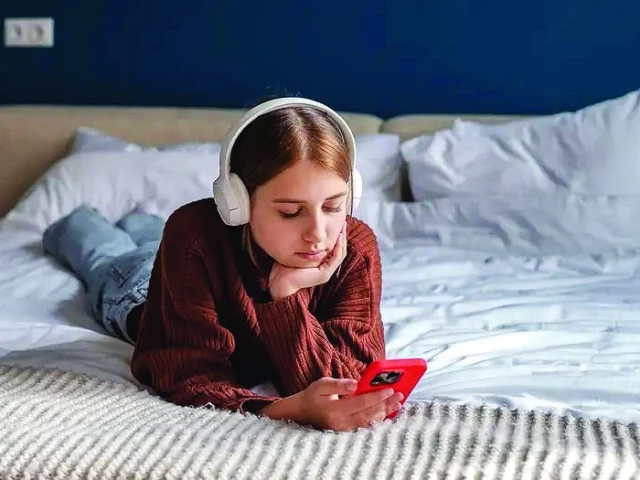
We spend 4 hours and 37 minutes on our phones every day, checking about 58 times, on average. We like to say it is to socialize, work or read the news. According to DW, most of us are addicted and we know it.
How widespread is addiction to the smartphone? The study after study confirms that people are becoming increasingly addicted to smartphones – in every country that are being tested and at all ages.
In the US, for example, almost 57 % of those asked in a recent survey admitted that they were addicted to their phones.
“There is evidence that the problematic use of the smartphone negatively affects the lives of many people. There are correlations between problematic use of smartphones and mental health symptoms, such as depression and anxiety,” said Zaheer Hussain, a social scientist at the University of Nottingham Trent in the United Kingdom.
People get tired of their smartphone behaviors – as is often the case with an addiction.
But the difficult part is that people who want to beat the addiction to the smartphone can find it as hard as those who want to quit smoking – it’s a difficult psychological battle. Social applications, boredom or simple daily habits can often have to reach your phone without realizing it.
However, the long -term health benefits of reducing your smartphone habits are huge.
Studies show that addiction to the smartphone is linked to a series of health problems, including sleep disorders, eye strain, natural inactivity and neck pain and back. Mentally, it contributes to depression, anxiety, loneliness and affects attention and memory, especially to adolescents.
Addiction to the smartphone can also be caused by these same spiritual challenges. Thus, smartphone addiction can also help these races.
Mental Health Impact
Addiction to the smartphone carries all the stamp symptoms of a behavior addiction – craving, dependency, withdrawal symptoms. It is similar to the addiction of gambling or video games in the fact that there is no addictive “substance”, such as a drug such as cocaine.
Yes, applications and websites are designed to maintain our attention, using gamification as a tool to add to us.
Many people report using smartphones to escape from stressful situations at home. It is a escape tool that can get the mind from depressive thoughts and feelings of stress.
But it is difficult to know if the addiction to the smartphone is a cause of mental health challenges or the result.
That is why a significant part of hitting the addiction to the smartphone is understanding why it became addicted to the first place.
Use your phone less
There is no quick repair to hit the smartphone addiction. Different people need different methods, often more than one. And gets real dedication.
But scientists have verified several methods to help beat the addiction to the smartphone. Most of them are similar to the tools used to defeat other behavior addictions and often rely on behavioral review.
Scientists recommend that you leave your smartphone out of your bedroom at night, or at least away from the corner of the room. You could also put your phone in another room when studying or working so you have to get up to check it out.
Another way to reduce the use of your phone is to reduce notifications. Try using your phone mode do not disturb the operation or turn off all sounds and vibrations for incoming messages and notifications
In the meantime, simple measures such as setting the screen in black and white, removing social media applications from your original screen and creating larger passwords can work by increasing the obstacle to using your phone
In addition, you can use applications to help self -control. Applications such as Space, Forest, Flipd and Screentime can limit the daily use of smartphone, lock off applications and help you manage your habits.
Science of abandonment
The scientific consensus is that the more methods you use at the same time, the better your chances of hitting your addiction on the smartphone in the long run.
A clinical trial examined a ten -stage behavior program called Nudge -based intervention. Used multiple approaches such as those mentioned above.
“The steps that aim to make the phone a little less rewarding to use, add a little friction to use it and reduce the number of reminders to use the phone.
It turned out to be effective in the short term, returning problematic smartphone use ratings at normal levels for at least 6 weeks.
“However, we have fewer data on interventions that have been operating in the long run for years,” Olson told DW.
Other clinical trials have shown how physical interventions help: Replace the use of smartphone with exercise or sports effectively reducing smartphone addiction to university students, for example. This can also help reduce loneliness, anxiety and stress levels that often accompany addiction to the smartphone.
Hussain said that just getting out of nature can greatly benefit your mental health. “If we do not go out to nature then our phones and social media, alerts, news cylinders, scroll take our lives.
Understand the pull
Addiction to the smartphone has become an important health issue among students with mental health challenges. Addiction can feed and aggravate these challenges.
Studies show how people who are addicted to smartphones are often bored quickly, are more socially isolated and tend to feel lost without their smartphones.
If you feel that using your smartphone has an impact on your mental health, your relationships and your daily life, it may be time to seek professional help.
“Many treatments have proven to be effective, such as the treatment of awareness and cognitive behavioral therapy,” Olson said.
Speech therapies, such as cognitive behavioral therapy (CBT), can provide step -by -step ways to stop forced behaviors and change your perceptions of your phone. These treatments can help detect because you are addicted and help you address these root issues.
a href=”https://tribune.com.pk/story/2556991/dont-scroll-your-life-away”>Source link



