
KARACHI:
The lens of nostalgia is often one that comes with its share of nostalgia. The rose-colored glasses one puts on to look back in time overlook any grievances one may have had, recalling only a simpler, sweeter time that one’s heart begins to yearn for.
As the upheaval sees a propaganda-driven right-wing Bollywood succumb to a growing, constantly fueled anti-Pakistan myth, one is thrown back to a time when Indian cinema had little respect for its Muslim-majority neighbour. Twenty years later, Main Hoon Na is the perfect example of such a narrative, which, perhaps, would struggle to find acceptance amid calls for inevitable bans in today’s India.
Project Milaap
Now synonymous with a meme used to talk about a distant dream that rushes further away every day, Farah Khan, in her trademark fashion, tackled the highly sensitive issue of India-Pakistan relations. Much to the surprise of those who have grown up consuming modern Indian cinema, Main Hoon Na she was steadfast in her quest to unite the two nations, even if India had to extend a hand of friendship first – a move unthinkable in our present.
The film’s politics were surprisingly neutral, but also extremely vital, both on and off screen. Pakistan was not the villain and India was not the hero. A female filmmaker of Islamic faith helmed the project with grit and humor and a Muslim female lead was cast to essay the role of Ram. Truly, Bollywood was made of finer stuff back then.
The Khan factor
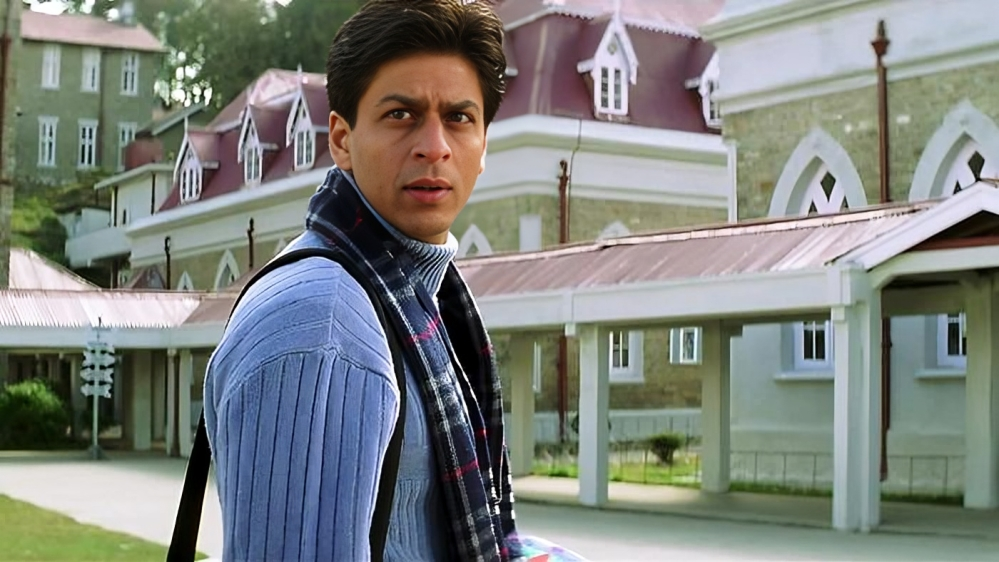
As annoyingly honorable and pro-military as he was, Shah Rukh Khan’s Major Ram Prasad Sharma was the kind of protagonist who made you believe in a better world. True to the film’s title, his companionship was steadfast and his love was laced with unwavering loyalty. It’s hard to imagine any other character playing the sometimes quirky, sometimes serious, but always endearing role, because Shah Rukh has voiced it to perfection.
Major Ram was also in tune with the characters that the audience was attuned to Shah Rukh was playing at that time. Most of the time, Shah Rukh was cast as the likable hero who had a bit of an edge to him. All that era of his roles were, in many ways, very different from the roles he took on later. Thus, it becomes easier to look back on the film with a hint of tenderness, remembering Shah Rukh who once ruled hearts in romantic avatars.
The bad
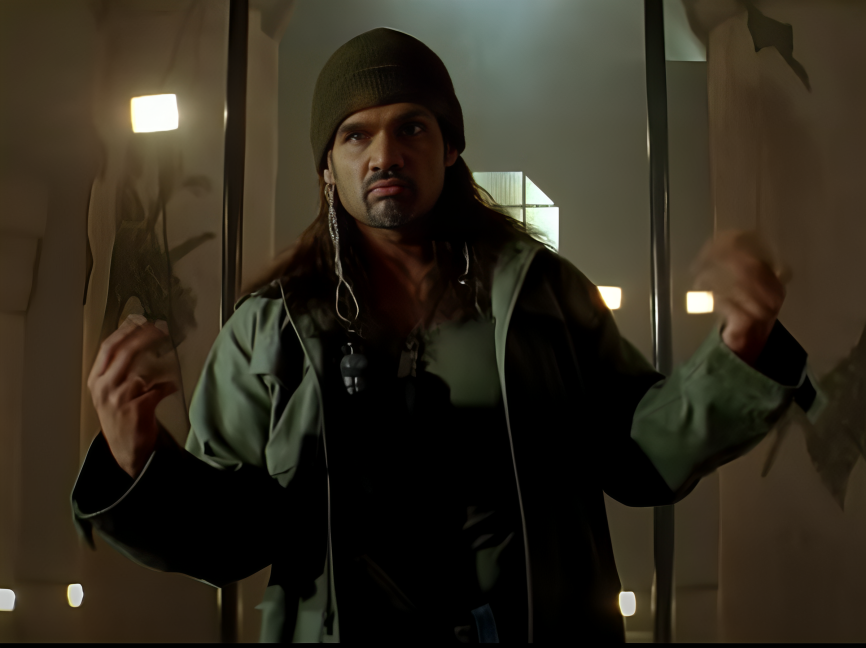
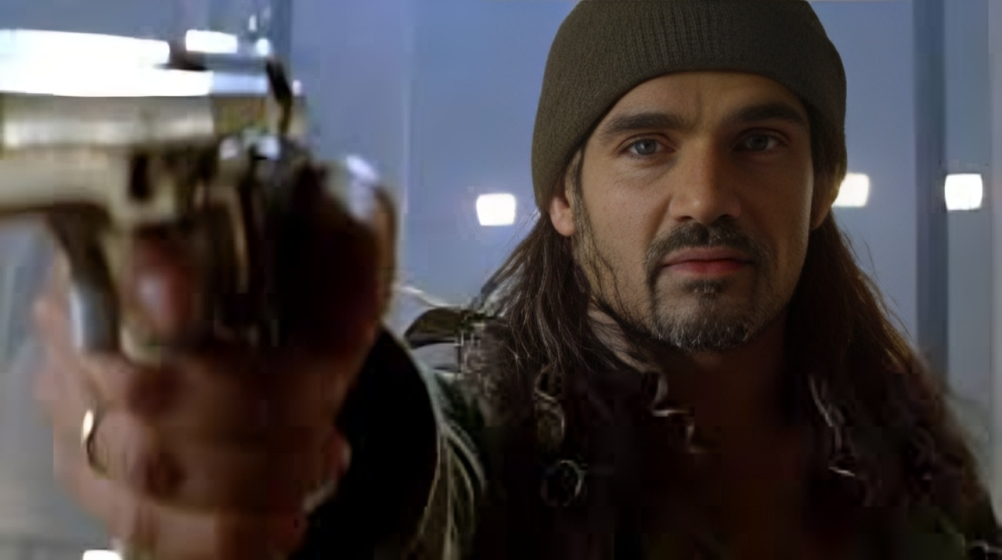
One of the most iconic film sequences is when Major Ram comes home to tell his stepmother and stepmother the truth about his parentage. However, the two sit with horrified expressions on their faces. Ram steps forward, bridging the gap to make his revelation. “Ram, you didn’t tell me you’re Shekhar Prasad Sharma’s son,” echoes a voice, as the camera reveals Suniel Shetty’s Raghavan sitting on a large couch, unseen until absolutely necessary. Raghavan’s personal soundtrack, a brilliant cacophony of in-your-face sound, plays with the revelation as Ram and the others freeze in pregnant silence.
Personal preferences rule while making such judgments, but for many, Raghavan continues to be an iconic villain. On paper, the green-clad ex-army officer wanted to stop Project Milaap at all costs to avenge his son’s death. On further analysis, one can see how it was, perhaps, a very clever jab at India’s domestic politics, where threats to the country may still exist at the border, but the real threat is from elements that never want to see a united subcontinent again due to personal vendettas.
A utopian feeling

The narrative unfolds in Darjeeling, where a college becomes the main setting for the plot. With breathtaking views that feel larger than life, one is lulled into a false sense of security while navigating the lives of students at St Paul’s College. This feeling is often disrupted by the completely different setting of Raghavan’s lair, which heightens the anticipation. The perfect utopia of Major Ram’s new world is at stake as he battles reconciliation on multiple fronts, a microcosm for the bigger ‘milaap’ at hand.
The characters in this universe have their own welcome quirks. They’re over the top and, at times, campy, but it wouldn’t be a Farah Khan movie if they weren’t. It’s almost as if the filmmaker wanted to create a perfect world and offer it to her audience, lighting the fire of unity by saying, “That’s how great it could be if we tried.”
As the film celebrates two decades of excellence, one can only thank the cast and crew for this unforgettable work of art. To say this Main Hoon Na now doubling as a relic of a beloved past wouldn’t be too far from the truth. Ultimately, paying homage to the cinematic offering comes with the all-too-real realization that the world it created now lies far beyond our collective grasp.
Do you have anything to add? Share it in the comments
a href=”https://tribune.com.pk/story/2464731/20-years-of-main-hoon-na-when-india-wasnt-afraid-of-milaap-with-pakistan”>Source link



