

As winter approaches, the days get shorter, the air gets thinner, and the familiar trinity of Covid-19, influenza and respiratory syncytial virus (RSV) returns to the scene.
The US Centers for Disease Control and Prevention (CDC) expects peak imports from these viruses in 2025-26 to be broadly similar to last season in the US, according to CNN.
Last season in the United States, there were approximately 1 million flu hospitalizations and up to 130,000 flu deaths (October 2024 – May 2025). For Covid-19, there were nearly 540,000 hospitalizations and up to 63,000 deaths (October 2024 – September 2025).
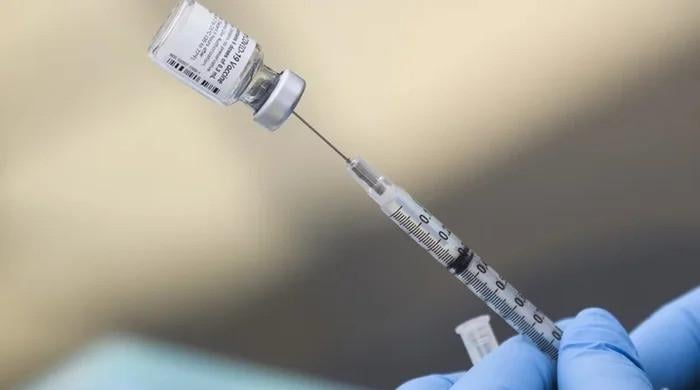
Vaccines won’t block every infection, but they make the disease milder and help keep people out of hospitals.
Doctors stress that the shots blunt the severity. “What I tell them is if I get the flu shot and someone with the flu sneezes on me and I’m in direct contact, I might get sick, but it would be a much milder version of the disease,” said Dr. Mike Ren of Baylor College of Medicine, speaking to CNN.
Vaccines, he said, are designed to keep you out of the hospital or worse, noting that flu and Covid still cause significant mortality annually.
COVID-19
The CDC says people six months and older, including those who are pregnant, should consult with a health care provider about getting an updated vaccine for COVID-19 this season.
Dr. Dan Barouch of Beth Israel Deaconess Medical Center noted a change from previous years in the US: there is no express federal recommendation that everyone get a booster. Instead, CDC has made the vaccine available to everyone six months and older through shared decision-making with clinicians such as physicians, nurses, pharmacists, and physician assistants.
Three vaccines are available in the United States: Pfizer (ages 5+), Moderna (6+ months), and Novavax (12+), with Pfizer/Moderna using mRNA technology and Novavax a protein-based platform.
In the United States, updated vaccines targeting recent strains are available at most pharmacies, some doctor’s offices, and some public health departments. CVS (Consumer Value Stores) said it now offers up-to-date pickups nationwide and no longer requires outside prescriptions.
Dr. Panagis Galiatsatos of Johns Hopkins advises contacting local health departments or large academic medical centers for availability and generally getting the updated vaccine in the fall, then discussing a possible booster in about six months.
For timing, Dr. Sarah Dupont (Emory Healthcare) recommends October or early November, ideally a few weeks before the US holidays, and splitting the dose if you’ve recently had Covid-19.
In the United States, a Covid booster at a retail pharmacy is about $220 for people without insurance, according to Dupont. Most insured patients should have coverage, and AHIP (formerly American Health Insurance Plans) said members will continue to have coverage for all vaccinations recommended by the CDC advisory committee starting Sept. 1 at no cost through the end of 2026.
In terms of effectiveness, last season’s updated Covid-19 vaccines were about 39% effective against hospitalization and about 64% effective against death in a New England Journal of Medicine study of US veterans. Vaccinations for Covid and flu can be given at the same visit. Some people find that the side effects are a little stronger when multiple injections are taken together.
Influenza
Most people six months of age and older should get a flu shot each season, with no change to previous years’ guidelines. Some children getting the vaccine for the first time may need two doses four weeks apart. Effectiveness is known only after the season. for 2024–25, the effectiveness of adults was estimated at approximately 42% to 56%.
In terms of timing, September and October are generally good months, with protection building up for about two weeks. Public health experts in the US encourage vaccination by Halloween, although later they still offer protection ahead of the winter holidays.
For Pakistanis, the National Institutes of Health (NIH) of Pakistan prioritizes seasonal flu vaccination for high-risk groups—pregnant women (highest priority), young children, older adults, people with chronic conditions, the immunocompromised, and health care workers—so these groups should talk to doctors them about timing and availability locally.
In the United States, access is usually through local pharmacies, doctor’s offices, and some public health departments, and many people can order AstraZeneca’s FluMist vaccine for home delivery in 34 states (FluMist Home), which is given alone by adults under 50 or given to children up to two years old with a parent.
The US Food and Drug Administration (FDA) first approved FluMist in 2003 and approved self-administration in September 2024. For cost, in the United States, a retail flu vaccine without insurance can be as low as $30 for a regular dose and up to $130 for a high-dose vaccine (recommended for people over 65).
The FluMist at home option is covered by most commercial insurances, with a shipping fee of $8.99.
RSV
Vaccination is recommended for adults 75 years of age and older and for adults 50 to 74 years of age who are at increased risk of serious illness. A single dose of RSV is estimated to protect the elderly for at least two years.
To protect infants, immunization may be given to mothers during pregnancy (usually 32-36 weeks) or to babies after birth as an antibody vaccine.
For adults, the vaccine is available at any time, but late summer and early fall are considered optimal. For mothers, availability is usually from September to January. For infants, antibody administration is usually recommended from October to March.
Dupont said eligible adults should start taking it now, adding that it’s currently a one-time deal. In the United States, an RSV vaccine can cost about $350 without insurance, although assistance programs can reduce the out-of-pocket cost.
According to World Health Organization (WHO) guidelines, countries generally choose one of two routes to protect newborns, either maternal RSV vaccination in late pregnancy (usually weeks 32–36) or a dose of long-acting monoclonal antibody to the infant, timed to local seasonality. Parents in Pakistan should discuss the most appropriate option with their obstetrician or pediatrician.
Beyond vaccines, the same practical steps help: stay home when you’re sick, avoid crowded indoor spaces during peak times, if you want to reduce exposure, consider wearing a mask and practicing hand hygiene and cough etiquette.
Dr Wren emphasized the role of frequent hand washing and disinfection in stopping transmission through contaminated surfaces. Dupont added that good sleep and a balanced diet, “colorful fruits and vegetables” or a multivitamin, support immune health.
a href=”https://www.geo.tv/latest/629171-winter-viruses-are-around-the-corner-heres-what-to-do”>Source link



