
Eskander, a UK-based dentist says the maximum time one should go without brushing is 24 hours
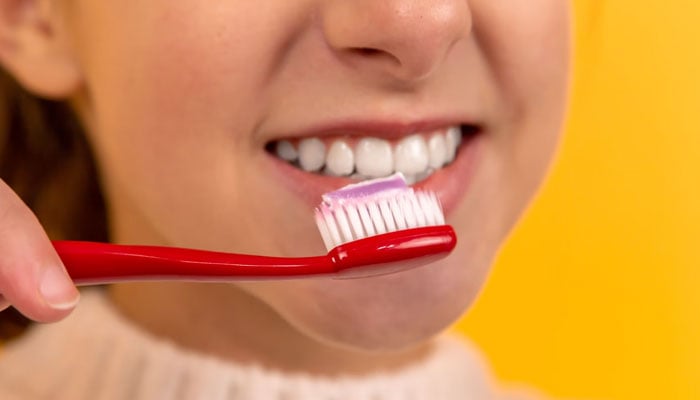
People are likely to skip brushing their teeth in various scenarios such as morning rush, late nights, travel or just out of carelessness, but did you know that the impact of this act is worse than you might imagine?
According to Dr Rhona Eskander, a UK-based dentist, the maximum time one should go without brushing is 24 hours after which “plaque build-up becomes significant, increasing the risk of dental problems”.
If left, you don’t brush your teeth, “you can experience extensive tooth decay, gum disease, tooth loss, chronic bad breath, and significant oral pain. In extreme cases, untreated dental problems can even affect overall health ” says Eskander.
Here are some horrible problems you can face if you neglect to brush your teeth.
Plaque build-up
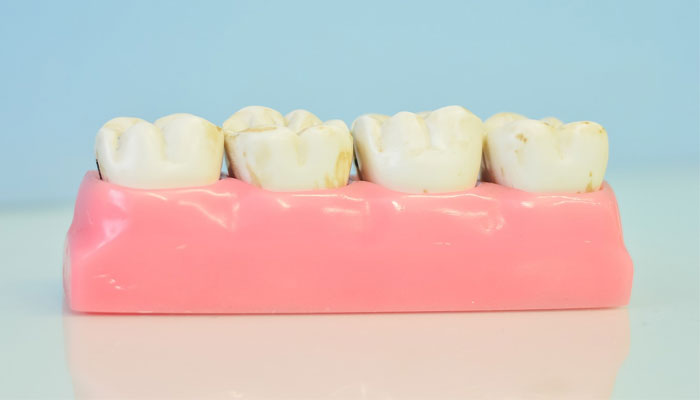
Skipping your toothbrush allows the bacteria in your mouth to feed on food particles, produce acids and cause the tartar buildup that leads to hardened plaque. This can only be removed by a dental professional, according to Eskander.
“Within hours, plaque starts to form on your teeth,” he says. “Plaque is a sticky film of bacteria that can lead to tooth decay and gum disease. Within a day or so of not brushing, you may notice a fuzzy feeling on your teeth, indicating plaque buildup.”
She added that flossing, which should be done “once a day” can help ensure that every part of your tooth is kept plaque-free by removing food particles between the teeth that “brushing alone can’t reach.”
Bad breath

Avoiding fresh mint toothpaste can leave you with bad breath as bacteria in the mouth “release foul-smelling compounds when they break down food particles, according to Eskander
To detect if your breathing is tight, do a simple “lick and sniff” test.
Eskander explained: “Lick the inside of your wrist, let it dry for a few seconds, then smell it. If it smells bad, you may have bad breath. Another method is to floss between your back teeth, smell it and check for any bad smell.”
He adds that maintaining good oral hygiene and staying hydrated can help prevent bad breath.
Stained teeth
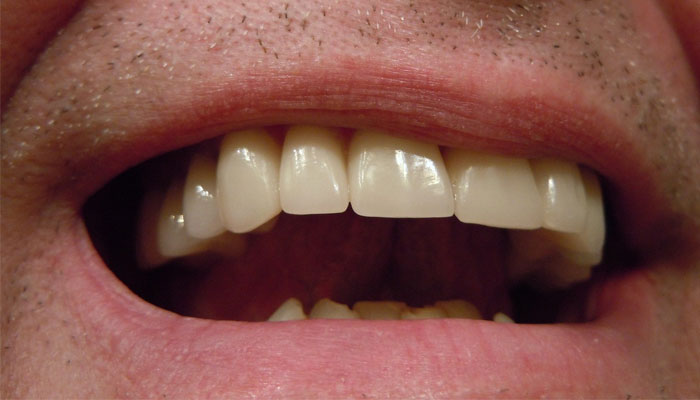
Eskander emphasizes brushing your teeth to maintain pearly whites, as “stains from food, drink and tobacco” can quickly build up, leading to “tooth discoloration.”
Factors such as tooth enamel health and oral hygiene can affect the severity of staining.
“In general, immediate staining can occur with foods and drinks such as red wine, coffee, tea, berries and dark-colored soft drinks,” he said, adding that significant staining may take a few days to become noticeable, so regular brushing and flossing cleaning can help minimize these stains.
Gum disease, tooth loss
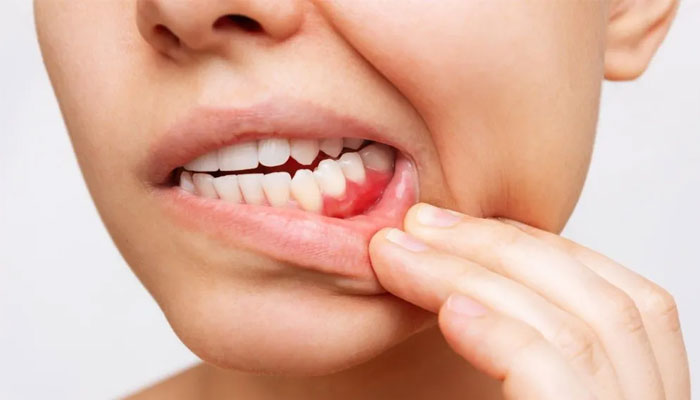
Brushing your teeth regularly can increase the chance of long-term gum disease, as untreated plaque can lead to gingivitis, an early form of gum disease, according to Eskander.
He said: “If left unchecked, it can develop into periodontitis, leading to tooth loss.”
Symptoms of gingivitis include swollen, red, or painful gums, bleeding gums when brushing or flossing, and receding gums, making teeth appear longer.
Other symptoms include persistent bad breath, pus between the gums and teeth, changes in partial denture fit, loose teeth and painful chewing.
The dentist stressed that he would see a dentist “immediately” noting that early intervention can prevent gum disease from progressing to more serious stages.
a href=”https://www.geo.tv/latest/532775-whats-the-worst-case-scenario-of-not-brushing-your-teeth-dr-rhona-eskander-has-bad-news”>Source link



