
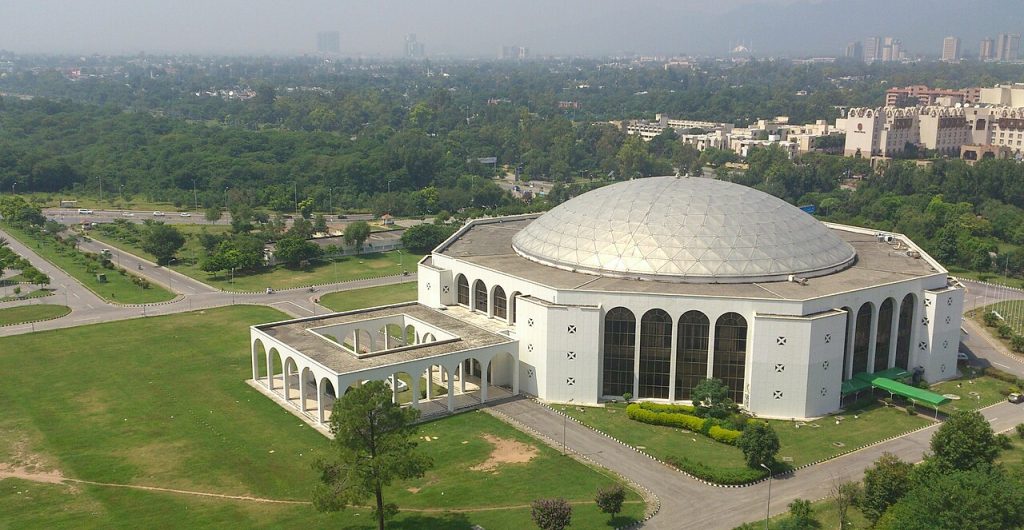
Islamabad is set to host the next round of US-Iran technical talks on July 14-15, with Iranian and American experts expected to focus on US sanctions on Iran, Iranian frozen assets, and the nuclear file, according to Pakistani government sources cited by Geo News and confirmed by Daily Times and BOL News (Geo News; Daily Times; BOL News).
The July 14-15 session will be the third round of technical-level meetings — focused on verification procedures, implementation language, sequencing of concessions, and the nuclear file — rather than a high-level political negotiation. A separate round of high-level direct talks is expected in Doha later in the month once both sides finalise outstanding issues.
Why Islamabad, again
Pakistan emerged as the agreed venue for US-Iran negotiations in June primarily because it maintains working diplomatic relations with both Washington and Tehran, has no direct stake in the nuclear file, and can provide a discreet, controlled environment for sensitive talks. The original June 18 memorandum of understanding was signed in Islamabad after Pakistani shuttle diplomacy brought both delegations to the same city.
The choice of Pakistan as host has elevated Islamabad’s standing in regional diplomacy at a delicate moment. Interior Minister Mohsin Naqvi’s trip to Washington this week — where he met US counterparts — reinforced the channel, with the Pakistan-US interaction explicitly tied to maintaining communication lines with Tehran (Dawn).
State of play after ceasefire collapse
The June 18 ceasefire broke down progressively. Since July 8, the US and Iran have traded accusations of violation, with US forces striking more than 170 Iranian targets and Iran-linked assets attacking shipping in and near the Strait of Hormuz. Both sides have nonetheless maintained the back-channel diplomatic track, suggesting neither wants full-scale conflict to resume without a face-saving exit.
Pakistan’s external affairs ministry has not officially confirmed hosting the July 12 talks. Pakistan’s stated position throughout the crisis has been support for dialogue and opposition to escalation, while avoiding formal alignment with either party.



