
- PBS shares LFS FY25 findings during the recent DataFest conference.
- Experts raise some questions about ICT employment data.
- The government will likely publish official findings on new LFS next week.
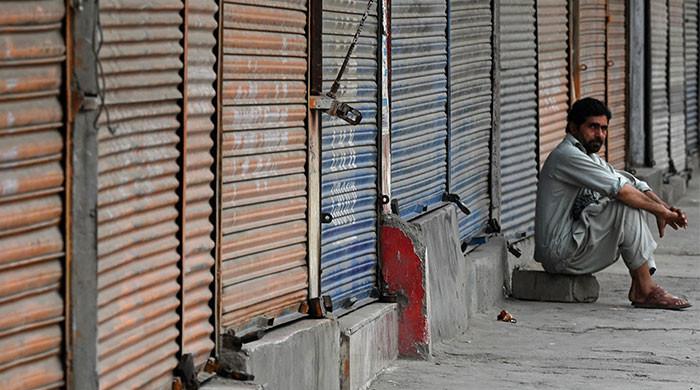
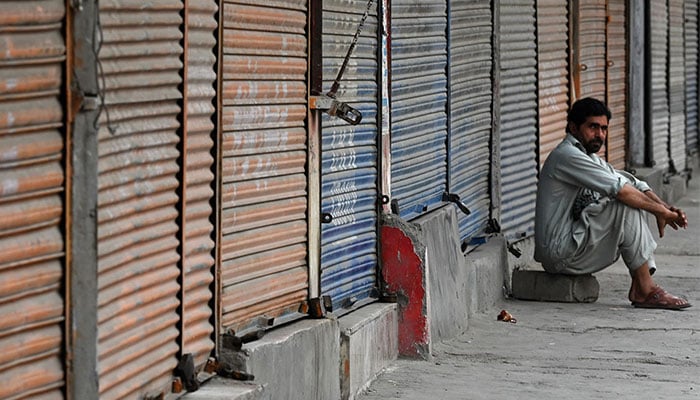
Islamabad: Unemployment in Pakistan is likely to reach 7% in fiscal year 2024–25, up from 6.3% in 2020–21, The News reported on Saturday.
Senior official sources have confirmed that the overall unemployment rate has risen to 7% according to the latest Labor Force Survey (LFS).
The sources said that the Pakistan Bureau of Statistics (PBS) shared the findings of the latest LFS for 2024-25 during the recent DataFest conference, but experts raised some questions on the employment ICT data and some other issues. This scribe sent a question to the PBS chief statistician but had not received a response by the time of filing this report.
The government is likely to publish the official findings of the new LFS for 2024-25 next week.
The 2020-21 Pakistan Census showed that the labor force grew to 71.76 million and the unemployment rate fell slightly to 6.3%. Key findings include an overall employment-to-population ratio of 42.1%, with a significant gender gap (64.1% male versus 19.4% female). The service sector was the largest employer, while young people (15-24) had the highest unemployment rate at 11.1%, particularly for women.
The sources said that the LFS in Pakistan has adopted the 19th International Conference on Labor Statistics (ICLS) definition of employment and labor force in the 2024-25 survey as per the requirements of the International Labor Organization (ILO).
The transition from the 13th ICLS framework to the 19th ICLS framework represents a significant update to the way countries measure work, employment and unemployment. The 13th ICLS (in use worldwide since 1982) classified anyone who did even one hour of work for pay, profit or in a family business during the reference week as ’employed’. The 19th ICLS (adopted in 2013) introduced which separates work for pay or profit from self-production work.
Subsistence production work involves growing food for your household or raising animals primarily for family consumption, as well as other types of non-marketable work, including voluntary or unpaid intern work.
It is generally believed that the exclusion of unpaid employed labor underestimates the actual activity of the people. “We call real activity all those activities that are done for a fee,” he says.
This distinction is critical because it allows Pakistan’s ESA to focus on who is actually participating in the labor market and who is engaged in non-income-generating household activities.
Many people—particularly rural women, unpaid family workers, and subsistence farmers—who were previously considered “employed” may now fall into new categories. Some will go into “own-use production work,” meaning they are not considered employed unless they want or are available for paid work. Others may drop out of the workforce altogether if they are not looking for or available for work in the market.
Compared to the 13th ICLS, the data based on the 19th LFS will lead to a fall in Labor Force Participation and a decline in the employment rate and an increase in the unemployment rate.
a href=”https://www.geo.tv/latest/634842-unemployment-edges-up-to-7-in-pakistan-data-shows”>Source link



