
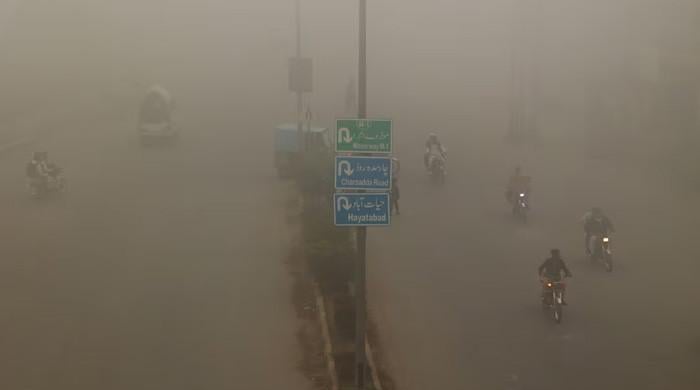

The most comprehensive study of this kind recently linked exposure to specific forms of air pollution without questioning with an increased risk of dementia.
Research, conducted by scientists at the Epidemiology Unit of the Medical Research Council at the University of Cambridge, provides urgent new evidence in the struggle against a weakening disease that is projected to affect 150 million people worldwide by 2050.
According to The guardianThe study – published in Lancet Planetary Health – included a systematic review of 51 previous studies, drawing on data of over 29 million participants who had experienced at least one year of exposure to air pollutants.
While air pollution had previously been recognized as a potential risk factor, this new research creates a positive and statistically significant association between three specific types of atmospheric pollutants and the onset of dementia.
The localized guilty were:
PM2.5: Thin particles coming from vehicle emissions, power stations and stoves and fireplaces.
Nitrogen dioxide (NO2): A gas mainly produced by the burning of fossil fuels.
Soot: Another particle derived from sources such as exhaust emissions and combustion wood.
These tiny pollutants can penetrate deep into the lungs when inhaled and already known to cause respiratory disease and increase the risk of cardiovascular problems.
The study further revealed that for every 10 micrograms per cubic meter increase in PM2.5, the relative risk of a person is increased by 1%. For Soot, the risk increases by 13% for the same level of exposure.
Worryingly, the levels of the soot and PM2.5 in road positions in major UK cities – including central London, Birmingham and Glasgow – approached or exceed these thresholds in 2023.
Dr. Haneen Khreis, the senior author of the study, stressed that the findings provide “further evidence to support the observation that long -term exposure to outdoor air pollution is a risk factor for initiating dementia in previously healthy adults”.
He added that treatment of air pollution offers wide benefits, including “long -term health, social, climate and economic advantages” and may “reduce the enormous burden of patients, families and carers, while producing pressure”.
Researchers indicate that air pollution can contribute to dementia causing inflammation and oxidative stress in the brain, a chemical process that can damage cells, proteins and DNA.
Despite the integrated nature of the review, the researchers acknowledged that most of the studies analyzed mainly included white participants from high -income countries. They recommend that future research on air pollution involves a more varied range of marginalized background participants.
Dr. Isolde Radford, a senior policy officer at Alzheimer’s Research UK, said: “This rigorous review adds to increasing evidence that exposure to air pollution – from circulation smoke to wood burners – increases the risk of growth.
“Atmospheric pollution is one of the most important modifiable risk factors for dementia-but it is not something that individuals can solve on their own. Where government leadership is vital, while the 10-year health plan recognizes atmospheric damage to atmospheric atmospheric pollution.
a href=”https://www.geo.tv/latest/615904-toxic-air-exposure-significantly-raises-dementia-risk-finds-study”>Source link



