
WHO remains uncertain about JN.1’s ability to overcome immunity conferred by limited-evidence vaccines
A new sub-variant of the Omicron coronavirus strain named ‘JN.1’ has alerted experts across the global health industry as it has been classified as a ‘variant of concern’ by the World Health Organization (WHO) due to its rapidly increasing spread.
Cases of COVID-19 involving the JN.1 variant have been found in many countries around the world, including India, China, the United Kingdom, and the United States.
Although the WHO has said the risk to the public is currently low, it warns that coronavirus and other infections could increase this winter.
In addition, respiratory viruses such as influenza, respiratory syncytial virus (RSV) and childhood pneumonia are also on the rise in the Northern Hemisphere.
The virus behind COVID-19 is constantly evolving, which has led to the development of new variants, with Omicron being the global dominant.
Meanwhile, the WHO is closely monitoring various variants linked to Omicron, including JN.1, but none are considered worrisome at this time.
However, JN.1 is the fastest-growing variant of COVID-19, accounting for 15-29% of infections in the US, according to the US Centers for Disease Control and Prevention.
It is also the fastest growing in the UK, accounting for around 7% of positive coronavirus tests, according to the UK Health Safety Agency.
Therefore, it is important to continue to monitor all available data on this and other variants to ensure that appropriate measures are taken to control the spread of the virus.
According to BBCJN.1 spreads rapidly in all regions, possibly because it has an additional mutation in the spike protein compared to the BA.2.86 variant from which it is descended.
“It is expected that this variant may cause an increase in Sars-Cov-2 [coronavirus] cases amid a surge in infections from other viral and bacterial infections, especially in countries entering the winter season,” the WHO risk assessment said.
There is still limited evidence on how well JN.1 is able to overcome the immunity conferred by vaccines, the WHO says.
The WHO reports no increased disease rates with this variant compared to previous ones, but more studies are needed to understand its impact on health due to the decline in countries reporting COVID-19 data.
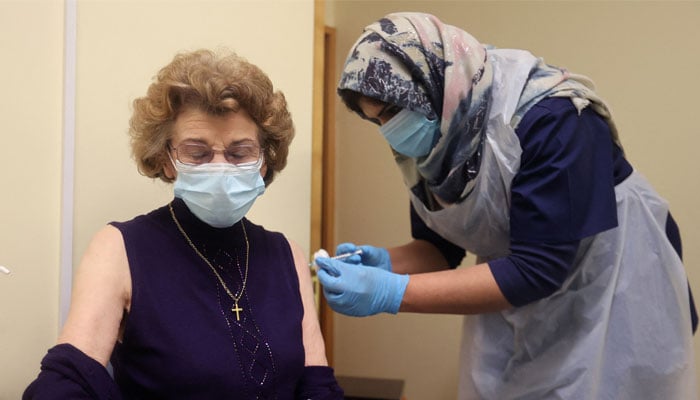
In the meantime, the WHO advised people to take preventive measures to prevent infections and serious illnesses by wearing a mask in crowded areas, covering coughs and sneezes, cleaning their hands regularly and updating their coronavirus and flu vaccines, especially if vulnerable.
In addition, the WHO advises people to stay home if they are sick and get tested if they have symptoms.
a href=”https://www.geo.tv/latest/523920-fastest-growing-covid-19-variant-raises-concerns-among-global-health-sector”>Source link



