
Major currencies extend 2025 gains against dollar as markets await US data and Fed leadership signals
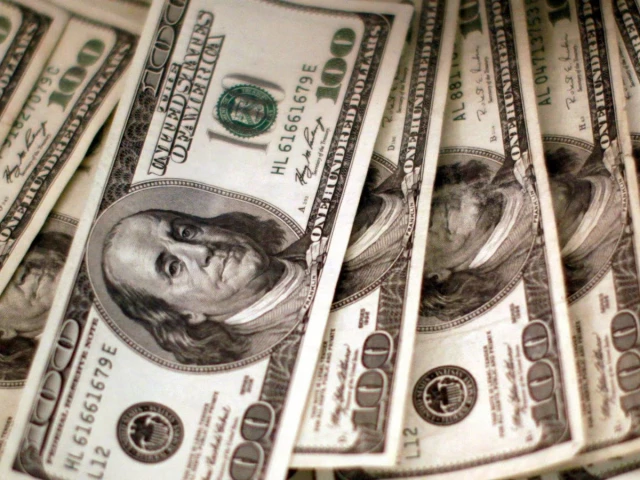
The U.S. dollar made a weak start to 2026 on Friday after struggling against most currencies last year, while the yen remained near a 10-month low as traders awaited economic data to predict how central bankers steer interest rates this year.
A narrowing of the interest rate differential between the US and other economies cast a shadow over the market last year, with most currencies gaining sharply against the dollar, with the exception of the Japanese yen.
Concerns about the US budget deficit, the global trade war and concern about the independence of the Federal Reserve have weighed on the US currency and these issues are likely to remain until 2026.
The euro EUR= was flat at $1.1752 on the first day of trading of the year after rising 13.5% last year, while sterling GBP= last bought $1.3473 after rising 7.7% in 2025. Both posted their steepest annual gains since 2017.
Markets in Japan and China remained closed on Friday, resulting in light trading volume and little movement.
The dominance of the dollar is waning
The dollar=USD index, which measures the U.S. currency against six other units, was at 98.186, having fallen 9.4% in 2025, its biggest drop in eight years.
“We’ve seen the peak of the dollar’s supremacy,” said Kyle Rodda, senior market analyst at Capital.com. Even so, there haven’t been two consecutive years of declines in the dollar index in two decades, he said.
“I think its collapse has been overstated and the relative strength of the US economy will mean we will see it recover this year.”
Economic data, including US payrolls and unemployment figures, are released next week, providing clues about the health of the labor market and where the Fed’s policy rate may end up this year.
Much of the focus early this year will be who US President Donald Trump will pick as the next Fed chairman as current chief Jerome Powell’s term ends in May.
Investors are bracing for Trump’s choice to be more aggressive and cut interest rates after the president repeatedly criticized Powell and the Fed for not cutting rates sooner or deeper.
Traders are pricing in two cuts this year compared to one predicted by a currently divided Fed board.
“We expect concerns about central bank independence to extend into 2026 and see the upcoming change in Fed leadership as one of several reasons why risks around the Fed’s funds rate are downgrading,” Goldman strategists said.
Yem remains the exception
The yen JPY= was at 156.85 per US dollar after rising less than 1% against the greenback in 2025. It hovered near a 10-month low of 157.90 touched in November that caught policymakers’ attention and raised the prospect of intervention.
The Bank of Japan has raised interest rates twice in the past year, but that did little to improve the yen’s performance as the cautious pace frustrated investors, with speculators reversing significant long yen positions in April.
There has also been growing investor concern about fiscal expansion under Prime Minister Sanae Takaichi, although she has tried to ease some of those concerns.
Traders are pricing the BOJ’s next rate hike towards the end of 2026. Min Joo Kang, senior economist at ING, expects the most likely timing to be October.
“Further fiscal stimulus could backfire on the economy, but the current government is expected to maintain its expansionary policy, posing a significant risk to the economy in 2026,” Kang said in a note to clients.
The Australian and New Zealand dollars started the new year on the front foot. Aussie AUD= was 0.35% higher at $0.66975 after rising nearly 8% in 2025, its strongest annual performance since 2020.
The kiwi NZD= broke its three-year losing streak with a rise of almost 3% last year. On Friday, it settled at $0.5761.
a href=”https://tribune.com.pk/story/2585086/dollar-makes-soft-start-to-2026-after-biggest-annual-drop-in-eight-years”>Source link



