
The average cost of power generation rose to Rs 7.17 per kilowatt-hour last month, compared to Rs 5.99 a year earlier
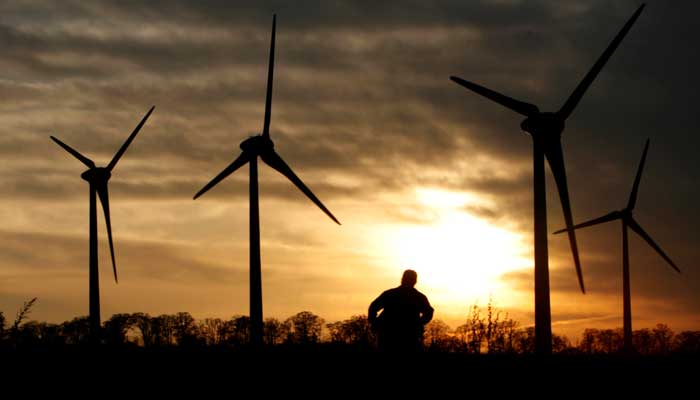
- Higher costs mainly due to the decline in wind-based nuclear generation.
- Fuel costs for local coal-based generation have increased by 55% annually.
- The rising cost of power generation added to the woes of consumers.
KARACHI: Amid a decline in nuclear and renewable energy sources, the country’s power generation costs rose nearly 20% year-on-year in November as the country became more reliant on expensive fossil fuels, The news it said, citing data from a brokerage house on Thursday.
The average cost of electricity generation rose to Rs7.17 per kilowatt hour (kWh) last month, compared to Rs5.99 a year earlier, a 19.7% increase, according to Arif Habib Limited (AHL).
The brokerage said the higher fuel costs were mainly due to reduced generation of nuclear, wind and solar power, which are cheaper and cleaner than coal, natural gas and oil.
“Furthermore, fuel costs for local coal-fired generation increased by 55% year-on-year. Along with this, fuel costs for regasified liquid natural gas (RLNG) and natural gas also increased by 17% year-on-year. year and 38% year-on-year, respectively,” he added.
The rising cost of power generation has added to the woes of Pakistan’s consumers, who are already struggling with high inflation and sluggish economic growth.
However, on a month-on-month basis, the cost of power generation fell by 13.2% in November, compared to an average cost of Rs 8.26 in October, when the country faced a severe gas shortage that forced it to use more expensive furnace oil for the production of electricity.
The country’s electricity production fell 9.8% year-on-year to 7,547 gigawatt hours (GWh) in November, from 8,367 GWh a year ago. The year-on-year decline in electricity generation was mainly due to a 32.8% decline in nuclear power generation, which stood at 1,572 GWh in November.
In addition to nuclear, the year-on-year decline was also attributed to declines in RLNG generation (21.1%), natural gas (41.5%) and wind generation (6.2%). On a monthly basis, electricity production fell by 21.2%, compared to 9,572 GWh in October.
In the first five months of the current financial year (July-November), electricity production increased by 1.8% year-on-year to 61,258 GWh, compared to 60,153 GWh in the corresponding period last year.
In November, Hydel was the main source of electricity generation, accounting for 36.5% of the generation mix, followed by nuclear (20.8%) and local coal (13.1%).
Among renewables, wind, solar and bagasse production accounted for 2%, 0.7% and 0.4% of production, respectively.
a href=”https://www.geo.tv/latest/523915-power-generation-cost-surges-20-year-on-year-in-nov-amid-drop-in-cheap-energy”>Source link



