
Islamabad:
Pakistan imports tea worth more than $ 600 million each year, excluding an equal amount transmitted under the trade of Afghan transit trade and is now ranked among the top tea import and consumption countries.
The Food and Agriculture Organization (FAO) said that consumption of tea in Pakistan increased significantly by 35.8% from 2007 to 2016. Tea has become an important import commodity, draining the country’s foreign exchange reserves each year.
The plantation and processing of tea have already been successfully proven to be the National Institute of Tea and High Value Research (NTHRI) and the Unilever Tea Research Station in Shinkiari, Mansehra, KHYBER-PAKHTUNKHWA (KP). However, the commercialization of the tea under a market mechanism has remained pending since 1985 due to lack of institutional commitment.
Tea consumption began in China in the 6th century AD, spread to Japan in 1000 AD. and reached Western Europe until the 17th century. The British introduced the cultivation of tea to Indo-Pak underlying in the mid-18th century.
The Pakistani Board of Directors (PTB), then based in eastern Pakistan, began planting tea in Baffa in Mansehra in 1958 after the separation of East Pakistan as Bangladesh in 1971, PTB experts returned to the East. The Parc took over the rest of the genetic creature and the expanded nurseries, creating a 50 acre tea station in Shinkiari with support from Chinese tea experts.
Pakistani and Chinese tea experts examined 64 locations in Mansehra and recognized about 64,000 hectares of land suitable for tea plantation. Millions of hectares of similar soil are available in Hazara, Swat and DIR. The commercialization of the tea is extremely viable, with successful models already operating in NTHRI and in private gardens in Mansehra.
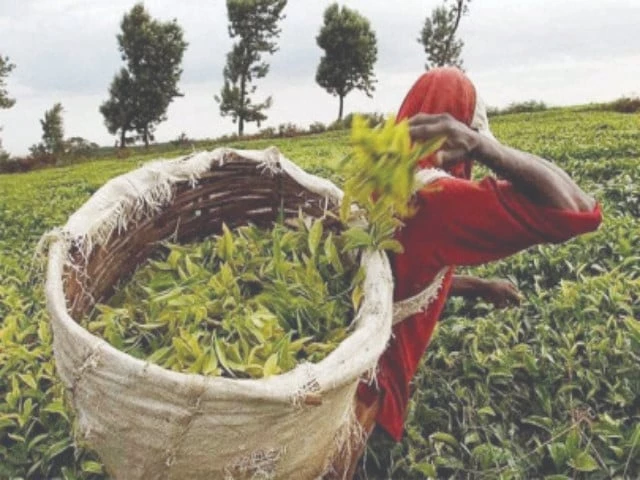
Domestic tea production could save more than $ 600 million a year, as well as similar losses due to smuggling. It could also provide employment in plantations, processing and commerce. In addition, tea cultivation could help prevent soil erosion and enhance tourism through graphic landscapes.
The key obstacle to commercialization is the lack of continuous land plots, water availability, technical know -how, tea processing technology and high capital investment investments. Another challenge is the five -year waiting period before tea leaves are ready for treatment and sale.
Although NTHRI has shown a successful production of green and black tea, the absence of investors, land and liquidity has stopped commercial progress for over four decades.
Unilever Pakistan, a former LV brothers, started trading tea alongside NTHRI in the 1980s using various government incentives, such as reduced introductory duties and loans without Zarai Taraqiati Bank Limited (ZTBL) and KYEBL. However, the company proved to be non -existent, mainly using the tax benefits without genuine commercialization efforts.
Following the sale of the tea brand to Lipton, Unilever closed his research station to Mansehra, performing staff and finished businesses. Protests and staff appeals to local administration were ineffective.
The company was also planted tea on over 50 acres of land of farmers in Mansehra and Abbottabad. These farmers now remain without buyers for their tea leaves. Despite increasing the problem with DC Mansehra, local officials are helpless. This requires the Ministry of Commerce to enter and force private companies to follow the investment commitments.
If no measures are taken, Pakistan may miss another opportunity to commercialize its domestic tea production. The government must bind companies to a five-year exit strategy, attract local tea companies, offer back guarantees and lease Unilever to support 50 tea growers. A local company has already reached the DC Mansehra and Commissioner Hazara on a proposal, but no answer has been followed.
If Unilever comes out until July 2025 without a plan, Pakistan’s tea growers will be abandoned again. The federal government must now act and revive Pakistan’s tea sector.
The author holds a doctorate in forestry and is an expert on climate change, forestry and environment
a href=”https://tribune.com.pk/story/2558230/600m-tea-import-bill-exposes-neglected-commercialisation”>Source link



