Pakistan’s textile industry has urged the government to resolve the indefinite goods transport strike urgently, warning that prolonged disruption could hit exports, cotton supplies and mill operations (Geo News, citing The News).
The All Pakistan Textile Mills Association wrote to Federal Minister for Communications Abdul Aleem Khan saying the strike, which began on August 8, had created serious difficulties for the sector.
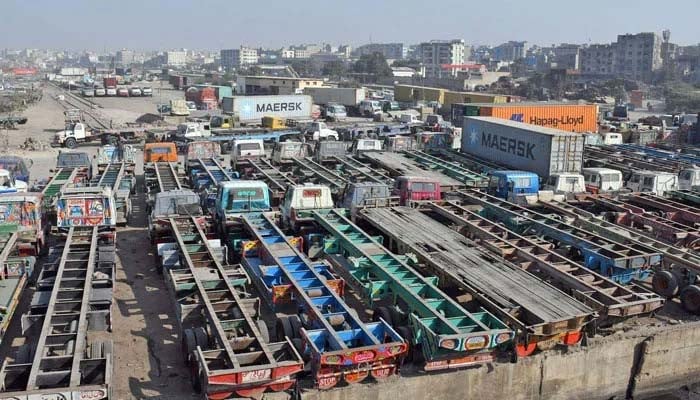
APTMA Chairman Kamran Arshad said export containers, imported cotton containers and the trucks needed to move locally procured cotton were all unavailable. The stoppage is hitting three points at once: the shipment of textile exports, the movement of imported cotton out of the ports, and the transport of local cotton from markets to mills.
The timing is the problem. The association warned that mills’ cotton stocks were already low at the end of the season, so any prolonged delay in moving imported or local cotton could disrupt production — with consequences for exports, employment and foreign exchange earnings. Similar disruptions in the past, it noted, had produced delayed shipments, financial losses and interruptions to mill operations.
“Disruption of cargo movement has serious consequences for industry and exports,” the association said, asking the government to intervene immediately and, in the meantime, to prioritise the movement of export cargo, imported raw materials and locally procured cotton.
Textiles remain the country’s largest export-oriented industry, which is what gives a freight dispute this reach. The All Pakistan Goods Transport Alliance suspended services nationwide on Saturday over diesel costs, the daily fuel pricing mechanism, withholding tax and tolls, and the government had invited its representatives for talks on Monday.