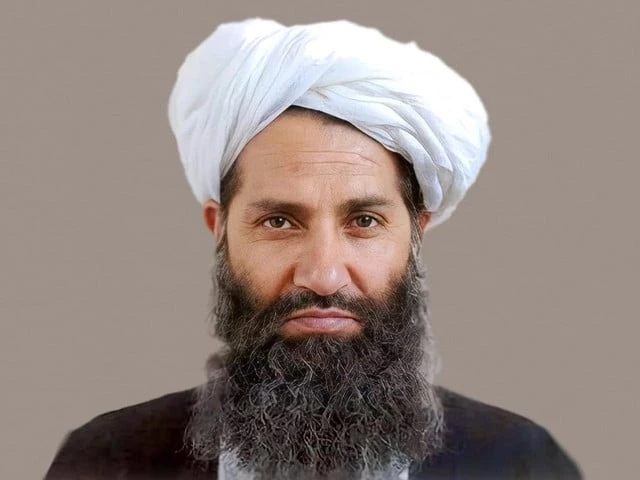
Taliban Supreme Leader Hibatullah Akhundzada has informally warned the Tehreek-e-Taliban Pakistan (TTP) to stop its attacks inside Pakistan or risk losing the Afghan Taliban’s allegiance, according to reports in Pakistani media that have been neither confirmed nor denied by the Taliban’s official spokesperson (Express Tribune; Hasht-e Subh).
Pakistani officials, however, have received the reported warning with scepticism. A senior official told the Express Tribune that “the problem is not the absence of assurances, the problem is the absence of verifiable action.” Pakistan has argued for years that the Taliban harbour the TTP on Afghan soil, allow the group to plan and launch attacks across the Durand Line, and have consistently refused to agree to verification mechanisms that would provide evidence of any meaningful pressure on the TTP (Afghanistan International).
The Taliban and the TTP share an ideological affinity and organisational history — both grew from the same Deobandi militant ecosystem of the 1990s and early 2000s — making it difficult, analysts say, for Kabul to enforce any genuine crackdown without fracturing a relationship that underpins the Taliban’s own internal cohesion. Foreign Policy noted in June that Pakistan’s airstrikes have so far failed to meaningfully deter TTP operations inside Pakistan (Foreign Policy).
After the Karachi attack
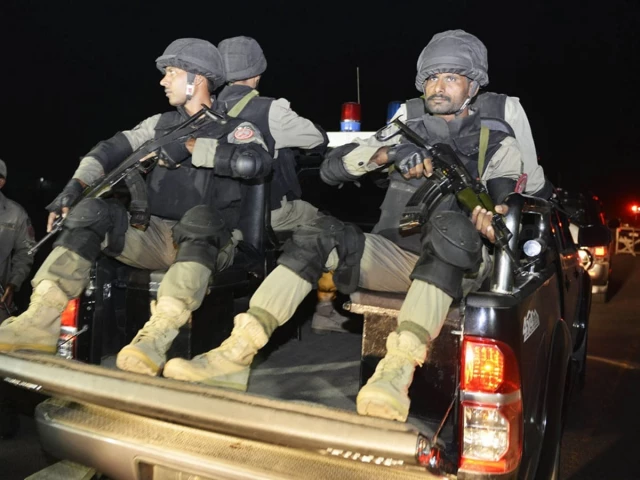
The reported warning comes days after a Jamaat-ul-Ahrar squad — trained in Afghanistan, according to a suspect arrested in Karachi — attacked the Rangers’ regional headquarters in the city, killing three soldiers. An April ceasefire agreed in China-mediated talks between Pakistan and Afghanistan has reduced the frequency of incidents but has not ended them (Al Jazeera). Islamabad’s position, reiterated after Sunday’s airstrikes, is that it will continue striking militant targets inside Afghan territory for as long as attacks on Pakistani soil continue.