
- Analysts are pushing for the first drawdown at the end of year 26 or year 27.
- The IMF urges a “tight, data-driven” stance amid inflation risks.
- Rupees, external pressures limit the space to relax.
KARACHI: The State Bank of Pakistan (SBP) is expected to keep interest rates at 11% on Monday, a Reuters The poll came as analysts reversed forecasts for a rate cut at the end of 2026 after the IMF warned that inflation risks remained and policy needed to remain “sufficiently tight”.
All 12 analysts surveyed do not expect any cuts at Monday’s policy meeting. Most of them see inflation hovering at 6%-8% in the coming months before rising again towards the end of fiscal 2026 as core effects weaken and food and transport prices remain volatile following flood-related supply disruptions.
Most respondents now believe the central bank won’t begin easing until the final months of FY26, which ends in June 2026, with some analysts pushing back forecasts for the first cut in fiscal 2027, starting in July 2026.
The IMF warns of premature relaxation
The IMF, in a second review released on Thursday, said monetary policy should remain “sufficiently tight and data-driven” to keep expectations stable and noted that the SBP had kept real interest rates positive on a forward-looking basis.
It said the tight stance was key to reducing inflation and should be maintained to ensure price stability and support the rebuilding of external buffers.
Analysts said these risks, along with the SBP’s preference for maintaining positive real interest rates, would keep policymakers cautious.
The SBP kept its policy rate at 11% from September after cutting it by 1,100 basis points between June 2024 and May 2025 as inflation fell sharply from highs of close to 40% in 2023.
The price, external pressures are rising
Inflation started to pick up after months of falling, driven by food and transport costs and weakening base effects.
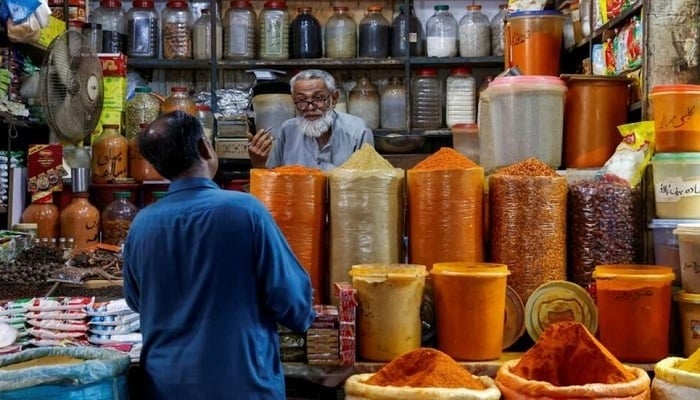
Core inflation eased to 6.1% in November from 6.2% in October, but remained above the SBP’s target of 5–7%. The IMF expects inflation to accelerate temporarily to 8%–10% this financial year before stabilizing.
While the country’s macroeconomic backdrop has stabilized somewhat, analysts said the recovery remains vulnerable to external pressures.
Early rate cuts could weigh on the rupee even with expected IMF inflows, including a $1.2 billion disbursement this week to shore up reserves and support climate resilience reforms.
Any uptick in demand, said Sana Tawfik, head of research at Arif Habib Ltd, “will have a negative impact on the external front.”
a href=”https://www.geo.tv/latest/638914-sbp-likely-to-hold-rate-at-11-as-imf-flags-inflation-risks”>Source link



