
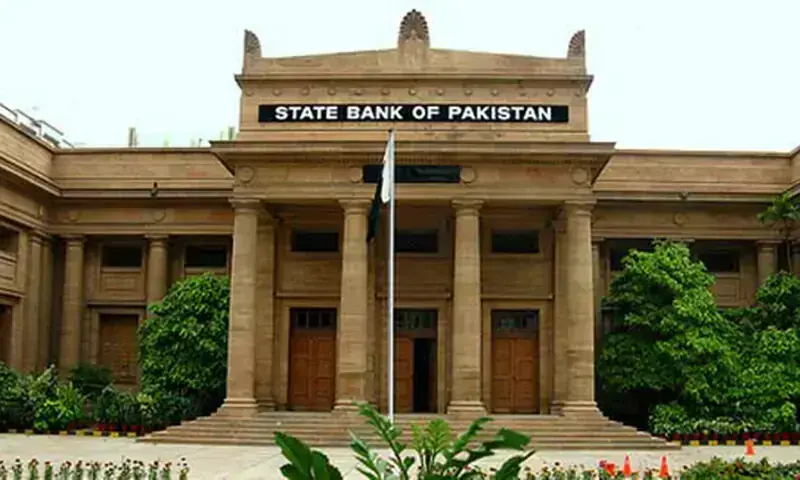
The State Bank is to establish “a secure, centralised virtual repository of banking data” to cross-match tax records against bank accounts (Dawn).
What it covers
Accounts with deposits or withdrawals exceeding Rs100 million in a reporting period. Banks and electronic money institutions must “electronically upload to the central data hub the prescribed information.”
The legal basis
A new section 165AB inserted into the Income Tax Ordinance, 2001 — which operates, in the provision’s own words, “notwithstanding the banking confidentiality laws.”
That phrase is the whole design. Banking secrecy in Pakistan is statutory, not merely contractual, and a scheme of this kind cannot work unless the statute is displaced. Parliament has displaced it.
The safeguard as drafted
“The information to be digitally processed is not to be visible to any income tax authority during the cross-matching, and only in the case of a gross mismatch is to be fed into the Board’s Compliance Risk Management system.”
So no tax officer sees the data unless the machine flags a discrepancy. That is a real limitation and worth stating plainly, because the alternative — bulk visibility to the field formations — is the arrangement most taxpayers would fear.
What the safeguard does not settle
Three things, none of them addressed in the provision as reported.
What counts as a gross mismatch, and who sets that threshold. A number tight enough catches everyone; the definition is the whole of the discretion.
Who audits the repository itself. “Not visible to any income tax authority” is a rule about one class of official; it says nothing about who administers the hub, or what logging exists.
And the Rs100 million floor. It is high today. Nothing in the mechanism prevents it being lowered by notification, and thresholds set at introduction are conventionally the most generous a scheme will ever have.
The case for it
Pakistan’s tax base is narrow because income is invisible, not because rates are low. A system that matches declared income against observed banking flows is the standard instrument for that problem, and most tax administrations run one.
What is not established
No implementation date has been published. No named official is quoted in the reporting. It is not stated whether the repository will be built by the State Bank, the FBR, or a contractor, and no penalty regime for non-uploading banks has been reported.
[Image: APP/File via Dawn]



