
The US Food and Drug Administration (FDA) announced Wednesday that it has banned the use of red dye No. 3 in food, drink and medicine consumed, after more than 30 years of scientific evidence linking the dye to cancer in animals.
The red paint No. 3, a synthetic additive made from petroleum and chemically known as erythrosine, is commonly used to color food and beverages a bright red hue. The move follows a petition filed by advocacy groups including the Center for Science in the Public Interest and the Environmental Working Group, which cited research linking the dye to cancer risks.
This decision also comes after California banned the dye in October 2023. Manufacturers using Red No. 3 in food and medicine will have until January 15, 2027 and January 18, 2028, respectively, to reformulate their products to comply with the new regulations. Imported food must also meet the new standards.
Dr. Jerold Mande, an assistant professor of nutrition at Harvard University, hailed the decision as a long-term step, saying, “Today’s action by the FDA is long overdue, is a small step in the right direction, and hopefully signals a renewed effort by the FDA to do its job despite the many obstacles the food industry puts in its way.”
Ken Cook, co-founder of the Environmental Working Group, called the ban a “monumental victory” for consumer health. “We would not be celebrating this historic decision today without the relentless leadership of public health champions like Michael Jacobson and others who took on this fight decades ago on behalf of consumers,” Cook said.
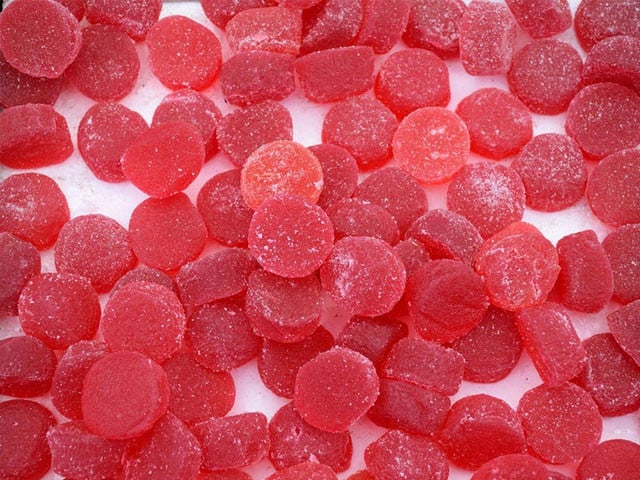
The red paint No. 3 is found in many products such as candies, foods and beverages. However, some major brands, such as Ferrara, which makes Brach’s candies, have already begun phasing out the use of dye. Less than 10 percent of Ferrara’s products still contain the additive, according to the company.
The pigment has been linked to various health concerns, including cancer in animals. In 1990, the FDA banned its use in cosmetics and topical medications due to carcinogenic findings in laboratory rats, but it remained licensed for use in food.
Despite numerous reevaluations, the FDA has maintained that studies have shown no direct risks to human health from food coloring, although experts argue that the Delaney Clause of the Federal Food, Drug and Cosmetic Act requires a ban if a substance causes cancer in animals. or people.
The decision marks a shift toward greater consumer safety, bringing U.S. regulations closer to the European Union, which banned red dye No. 3 in 1994. Some states, including California, have also moved to ban other food dyes because of concerns about effects on children’s behavior.
Dr. Thomas Galligan, principal scientist at the Center for Science in the Public Interest, called the ban a critical step. But he stressed that the FDA needs to address broader issues in the food safety regulatory system to avoid similar delays in the future.
As the FDA ban takes effect, manufacturers will have to explore alternative coloring agents, such as Red Dye No. 40, which is considered less harmful, although concerns about it remain. The ongoing debate reflects broader concerns about food additives and their potential health effects.
For consumers concerned about avoiding red dye No. 3, it is recommended that they check ingredient labels for “red 3” or “FD&C Red #3”. The FDA has already required manufacturers to list the dye on labels, giving consumers a means to avoid using it until the ban is fully implemented.
The ban represents a victory for consumer health advocates, but it also highlights ongoing tensions between public health concerns and food industry practices.
a href=”https://tribune.com.pk/story/2522352/red-dye-3-banned-from-food-drinks-and-ingested-drugs-by-fda”>Source link



