
The report highlights that very few countries mention maternal or child health in their climate change plans
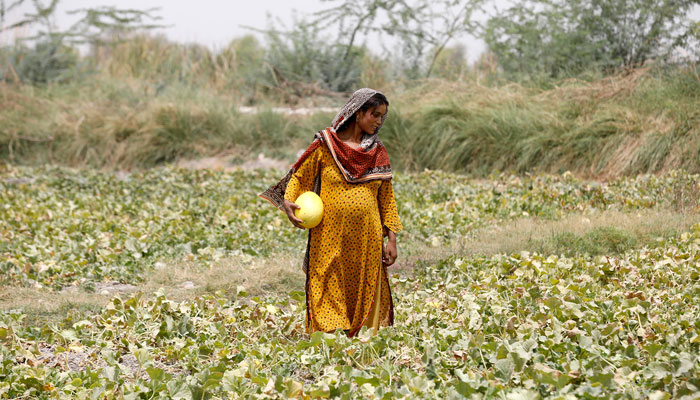
- Effects of climate change on maternal and child health neglected: report.
- Research shows that climate change damage can even start in the womb.
- Few countries include maternal health in climate change plans.
Islamabad: Climate change poses a serious threat to pregnant women, babies and children, which requires urgent attention, a UN report has said ahead of the global Conference of the Parties (COP28) climate change negotiations in Dubai.
The report, called a Call to Action, said the effects of climate change on maternal and child health have been neglected, underestimated and underestimated.
It highlights that very few countries’ climate change plans address maternal or child health, describing this as “a glaring omission and emblematic of insufficient attention to the needs of women, newborns and children in the climate change dialogue”.
“Climate change is an existential threat to us all, but pregnant women, babies and children face some of the worst consequences of all,” said Bruce Aylward, Assistant Director-General for Universal Health Coverage, Life Course at the World Health Organization (WHERE). ).
“Children’s future must be consciously protected, which means taking climate action now for the sake of their health and survival, while ensuring their unique needs are recognized in the climate response.”
2023 was marked by a series of catastrophic climate disasters. Fires, floods, heat waves and droughts displace people, kill crops and animals and worsen air pollution. A warming world increases the spread of deadly diseases such as cholera, malaria and dengue fever, with dire consequences for pregnant women and children for whom these infections can be particularly serious.
Research shows that the damage can even start in utero, leading to pregnancy-related complications, premature birth, low birth weight and stillbirth. For children, the consequences can last a lifetime, affecting their body and brain development as they grow older.
“Action on climate change often ignores that children’s bodies and minds are uniquely vulnerable to pollution, deadly diseases and extreme weather,” said UNICEF Deputy Executive Director of Programs Omar Abdi.
“We do this at risk. The climate crisis puts at risk every child’s fundamental right to health and well-being. It is our collective responsibility to listen and put children at the center of urgent climate action, starting at COP28. Now is the time to finally put children on the climate change agenda.”
The Call to Action highlights seven urgent actions to address these growing risks. These include continued reductions in greenhouse gas emissions and action on climate finance, alongside specific inclusion of the needs of pregnant women, infants and children in climate and disaster-related policies. The agencies are also calling for more research to better understand the effects of climate change on maternal and child health.
“To find climate solutions that recognize the unique health needs and vulnerabilities of women and girls, we must start by asking the right questions,” said Diene Keita, Deputy Executive Director of Programs at UNFPA, the United Nations agency for sexual and reproductive health. “Global climate solutions must support, not sacrifice, gender equality.”
The report was released by WHO, UNICEF and UNFPA at an online launch event, along with a briefing by the Partnership for Maternal, Newborn and Child Health (PMNCH).
The PMNCH advocacy brochure reinforces the Call to Action by outlining specific recommendations for different stakeholders, including governments, global financing mechanisms, donors and foundations, the private sector and civil society to ensure that the health needs of women, children and adolescents are better treated in the climate. policies, funding and programmes.
“Climate change is a great intergenerational injustice of our time. Protecting the health and rights of women, children and adolescents is non-negotiable in the face of the climate crisis,” said Rt Hon Helen Clark, PMNCH Board Chair and former Prime Minister of New Zealand.
“Every stakeholder, from governments to the private sector and civil society, including health professionals, has a critical role to play in advocating for policies and actions that protect the most vulnerable. The urgent need to integrate the health needs of women, children and adolescents in climate responses is not just a moral imperative, but an effective strategy with long-term benefits for resilient and healthy societies.”
During the COP28 meetings, delegates will mark the first World Health Day, marking the inextricable links between the health of people and the planet.
a href=”https://www.geo.tv/latest/519945-pregnant-women-children-face-serious-threat-by-climate-change”>Source link



