
Pakistan’s sharp decline in poverty has stopped in recent years due to economic vibrations and the lack of structural reforms, the World Bank said on Tuesday.
The international lender said that between 2001 and 2015, a wave of urbanization helped reduce the national poverty rate from 64% to 22% by 2019, as agricultural workers were transferred to informal urban jobs in areas such as transport, construction and trade.
However, this progress has since slowed down, with poverty rising to 25% by 2024.
“The development model that supported the initial decline in poverty has proved inadequate to maintain progress,” said a World Bank study. “The Pakistani poverty reduction trajectory has come to a worrying interruption, reversing years of progress.”
Growth model
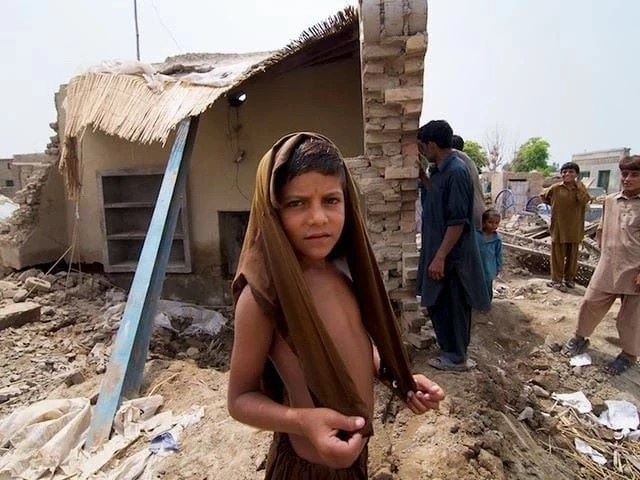
The report reported numerous disorders-including the Covid-19 pandemic, world inflation after the Ukraine war and catastrophic floods in 2022-as basic failures.
It also points out the weak key elements: low productivity in labor absorption, bad public services and limited access to education and training.
Many who escaped poverty remained just above the doorstep, leaving them vulnerable to economic disorders. The study used Pakistan’s national poverty line. International measures indicate even higher rates.
Also read: Pakistan Flood fields, factories, tax plans
Further floods in 2025 again hit growth, though less serious than in 2022.
Khurram Schehzad, a adviser to the Minister of Finance, acknowledged recent failures, but said the government had expanded social welfare programs, invested in job creation and worked for better subsidies.
“These priorities are aligned with the wider agenda of reforms, ensuring that Pakistan not only stabs vulnerable households against shocks but also creates the conditions for reducing poverty without exclusion,” Schehzad said.
The Treasury stressed that the national poverty line remains the most appropriate reference point for policy in Pakistan. According to the latest official household survey (2018-2019), 21.9% of the population lived below the national cost of the basic needs.
Read more: FBR admits tax gap on sales of RS3.6TR
The ministry clarified that recent higher poverty estimates at international level reflect largely the technical changes in methodology and adaptations to the world’s thresholds daily rather than a sudden increase in home poverty.
At federal level, multiple programs continue to relieve poverty, including the Pakistani Poverty Strike Fund, the welfare fund of workers and the Pakistani bait-UL-Mal.
Provincial governments have also launched social protection and reduction of poverty to address these challenges in a coordinated manner.
In addition, the government is working to make subsidies more targeted and fair, strengthen the social protection system and increase health and education investment to boost human capital.
These priorities are part of a wider reform agenda that is aimed at not only shielding vulnerable populations from vibrations but also to the creation of sustainable conditions for a long -term reduction of poverty.
a href=”https://tribune.com.pk/story/2568509/pakistans-poverty-reduction-has-stalled-amid-economic-shocks-world-bank”>Source link



