
Islamabad: The World Health Organization (WHO) warned of a significant risk of spreading to many countries, including Pakistan, as over 445,000 cases and 155 deaths have been reported by 40 countries in 2025 so far.
Officials and experts warn that Pakistan, which is already involved in the fireplaces after the monument of Daguio and malaria, remains vulnerable due to a large AEDES mosquito population. The country does not have routine facilities for chikungunya and the healthcare infrastructure was weakened by the devastating floods that occurred in Sindh, Punjab and Khyber Pakhtunkhwa in 2025, The news reported.
According to the latest news of Who, Chikungunya’s broadcast has increased in various areas this year, with hotspots referring to America, South Asia and Indian Ocean territories.
While Pakistan has so far recorded interest rates comparable to 2024, officials have confirmed a sharp increase between May and June 2025, when more than 100 suspicious cases were reported a week.
Health experts say that overlapping dengue symptoms often leads to incorrect diagnosis, while limited laboratory testing means that most patients are treated only on a symptomatic basis. “Chikungunya has not been diagnosed in Pakistan simply because our hospitals usually do not try for it.
Patients have a high fever, rash, fatigue and joint pain and are either treated as cases of dengue fever or are shipped home with painkillers. This is dangerous because the virus can cause long -term damage from the joints and affect vulnerable groups such as newborns, the elderly, and those with diabetes, “said a senior physician at the Karachi Postgraduate Medical Center.
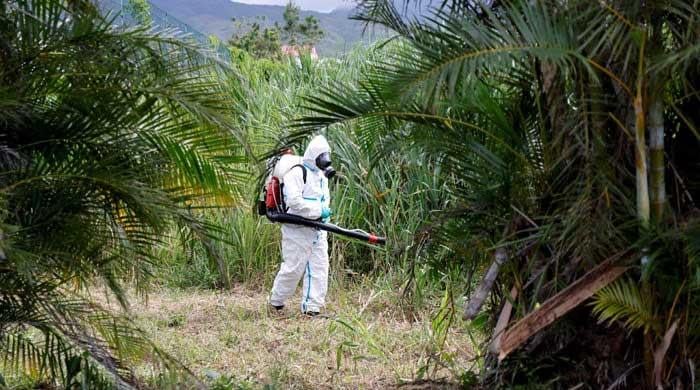
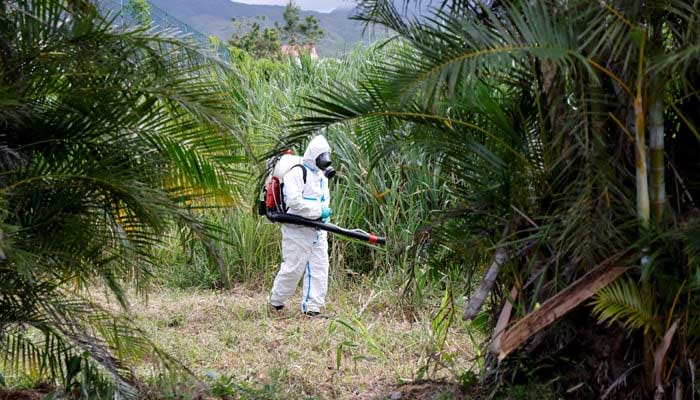
The danger has been increased by unprecedented flooding during the 2025 monsoon, which left huge stagnant water pools in urban and rural areas of the same differences of Sindh, Punjab and Khyber Pakhtunkhwa – Ideal Breeds for Aedes Aegypti and Aedes Albopictus Degue and Zika dilator.
Public Health officials are afraid that increasing the density of mosquitoes could pave the way for undetected chikungunya outbreaks in the coming months.
Who noted that chikungunya typically causes “high population attack rates”, with up to three -quarters of a sensitive population affected by certain outbreaks, placing huge pressure on healthcare systems. Pakistan, where controls of bodies remains weak and health costs are low, is considered inappropriate for such a scenario.
Unlike Dangio Dangio, Chikungunya is rarely discussed in official tips and national surveillance systems do not record its actual weight.
Worldwide, Chikungunya has reappeared in areas that had not been affected previously, driven by climate change, unproven urbanization, mismanagement of water and increasing international trips. India, Bangladesh and Sri Lanka have reported all major incidents in 2025, highlighting the regional threat to Pakistan.
In Pakistan, doctors warn that prolonged joint pain caused by chikungunya can take weeks or even months, leading to lost productivity and income, especially in already flooding communities.
“For a daily employee who cannot walk because of common edema, Chikungunya is an economic disaster as well as a health,” said one infectious diseases of the Lahore -based expert.
There is currently no special antiviral treatment for chikungunya. Patients are advised to rest, stay hydrated and use paracetamol of pain relief, to be the preferred choice until the dengue dengue is excluded. Non-steroidal anti-inflammatory drugs (NSAID), commonly used for joint pain, are discouraged due to the risk of bleeding in possible co-infections of dengue fever.
Although two vaccines have received approval in some countries, they are not yet widely available. Who has urged nations to enhance surveillance, prepare hospitals for cases management and expand control of agencies to reduce the risk of a home.
For Pakistan, experts say this means that learning from dengue fever by investing in better diagnostic, public awareness of the control of household mosquitoes and the integration of chikungunya into the national disease strategy transmitted by the carrier.
“Chikungunya’s global resuscitation is a reminder that Pakistan cannot afford to limit its focus on Dangio and malaria.
a href=”https://www.geo.tv/latest/626912-pakistan-records-spike-in-chikungunya-cases-as-global-cases-climb-who”>Source link



