Pakistan’s health authorities have stepped up anti-dengue operations across Punjab as the monsoon approaches, with district teams in Rawalpindi destroying tens of thousands of mosquito-breeding sites in a bid to head off a fresh surge of the mosquito-borne disease.
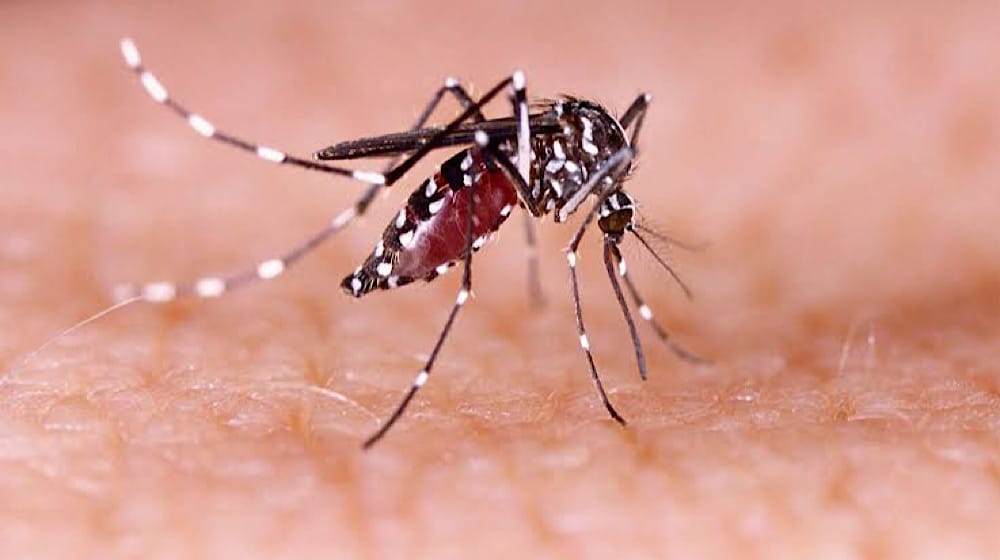
The drive follows an early-season alert issued in March by the National Institute of Health (NIH), which directed federal and provincial health departments to take immediate preventive measures and strengthen surveillance ahead of the rains. The advisory noted that more than 78,000 dengue cases have been reported across the country over the past three years, with infections typically climbing during the monsoon period when standing water creates ideal breeding conditions for the Aedes mosquito.
The NIH advisory identified schools, hospitals, under-construction buildings and tyre shops as major dengue “hotspots”, urging authorities to intensify monitoring at these sites. It also directed hospitals to establish dengue isolation wards, maintain daily patient records, eliminate breeding sites, and conduct indoor spraying and fogging once cases are confirmed.
Nowhere has the response been more visible than in Rawalpindi, a district repeatedly battered by dengue in recent years. As the district launched a focused fortnight-long campaign running from June 1 to 14 across 16 high-risk union councils — including North and South Shakrial, Khana Dak, Chaklala, Morgah, Dhamial and Girja — surveillance teams reported destroying 52,225 larval containers indoors and a further 15,670 at outdoor locations, a combined total of nearly 68,000 breeding sites.
According to the District Health Authority, teams surveyed more than 2.4 million houses internally and scanned over 826,000 outdoor locations, identifying 30,142 contaminated houses and 5,226 dengue-positive outdoor sites. Of 1,463 people screened, two cases were confirmed, with 50 ruled out as non-dengue and 1,411 suspected cases still under assessment.
The campaign builds on weeks of pre-monsoon groundwork. At a review meeting on May 1, officials reported that Rawalpindi had logged 933 dengue cases for the year so far — one confirmed, 26 non-dengue and 906 suspected. Indoor surveillance had by then covered more than 1.6 million houses, with larvae detected in over 14,000, while outdoor teams inspected upwards of 598,000 locations and found over 2,000 positive for larvae.
Authorities also leaned on enforcement to push compliance. Between April 1 and 27, officials registered 69 FIRs, issued 201 challans and imposed Rs224,500 in fines against those whose premises were found harbouring mosquito larvae, with more than 1,000 teams active across the district.
Additional Deputy Commissioner Headquarters Abdul Rehman Khan warned that “negligence in anti-dengue efforts would not be tolerated”, while Cabinet Committee on Dengue member Dr Waseem Akram stressed that timely response and public awareness remained key to preventing the disease’s spread.
Health officials across the board have appealed to residents to play their part by keeping premises clean and refusing to let water accumulate in containers, coolers, tyres and other receptacles. With the heaviest rains still to come and the NIH cautioning that the threat will intensify through the monsoon, authorities say the coming weeks will determine whether Pakistan can avoid a repeat of the severe outbreaks seen in recent years.