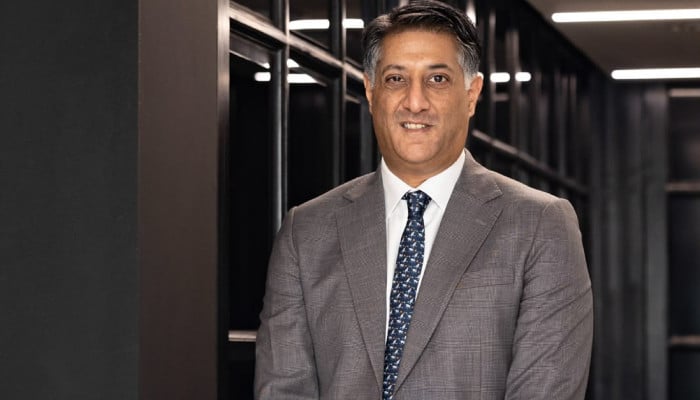
The Pakistan Business Council has installed Ziad Bashir as its chairman, with the Gul Ahmed Textile Mills director taking charge of the advocacy platform for a term of eighteen months (Geo News).
Bashir has been vice chairman since February 2025 and sits on the Council’s board of directors. At 48 he is among the youngest to have held the post since the body was formed in 2005. Syed Hyder Ali, chief executive and managing director of Packages Limited and a long-serving member of the board of governors, takes the vice chairmanship for the same term.
The Council was created as a policy advocacy platform by fourteen of the country’s largest business groups. Its membership now stands at 102 companies, together accounting for around 40 per cent of national exports, 25 per cent of tax receipts and 11 per cent of GDP — which is the source of whatever leverage it has.
Bashir sits on the Prime Minister’s Economic Advisory Council and is founding chairman of the Pakistan Retail Business Council, which he established to give the formal retail sector organised representation in policymaking. His work at the PBC has covered export competitiveness, tax base reform, market access, privatisation and retail documentation, carried into engagements with the Finance Ministry, the Federal Board of Revenue and multilateral lenders. At Gul Ahmed he founded Ideas by Gul Ahmed, now among the largest retail chains in the country. He is also Honorary Consul General of Denmark in Karachi, and received the Knight’s Cross of the Order of the Dannebrog in 2025.
He was pointed about what the Council is for. “The PBC has never been a body that asks government for favours, and it should not become one,” he said. “Our members carry a meaningful share of the country’s exports and its tax collection. That gives us standing, but it also obliges us to bring properly worked proposals rather than general complaints.”
He said his term would focus on export competitiveness, broadening the tax base, lowering the cost of doing business, and creating conditions in which Pakistani firms have reason to grow larger rather than stay small and fragmented — the documentation problem that sits underneath both the tax base and the export base.
“There is no shortage of good analysis in Pakistan. There is a shortage of follow-through,” he said. “I would rather this Council be judged at the end of my term on two or three things that genuinely changed than on how much we proposed.”