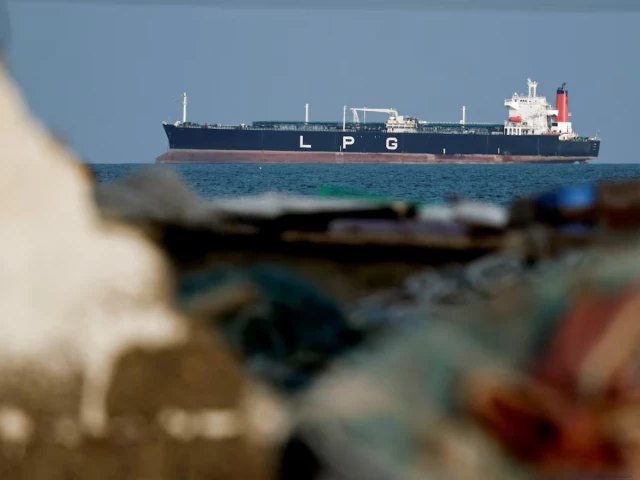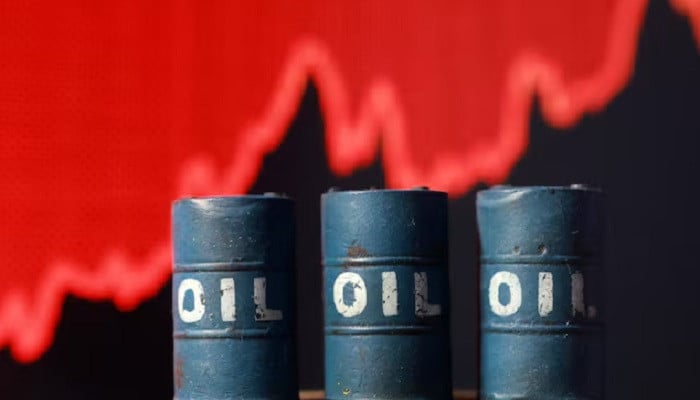
Oil rose on Friday and was set for sizeable weekly gains as efforts to end the Iran war faltered, raising concerns about supply disruption (Geo News).
Brent crude futures rose 1.45 per cent to $88.33 a barrel, with US crude up 1.26 per cent at $82.27. The United States threatened to increase economic pressure on Iran, including extending a naval blockade.
The war is now visible in American domestic data. US consumer sentiment deteriorated in early August on the rising cost of living attributed to the Middle East conflict, according to a survey released Friday. The dollar and Treasury yields fell after a surprise drop in retail sales, reducing expectations of a Federal Reserve rate rise next month.
Equities were mixed. The Dow fell 73.41 points, or 0.14 per cent, to 53,766.58; the S&P 500 fell 14.93 points, or 0.19 per cent, to 7,784.06; and the Nasdaq fell 105.11 points, or 0.39 per cent, to 26,697.93 — though the S&P and Nasdaq were still on track for a third consecutive weekly gain, having hit a record on Thursday. European shares snapped a four-week winning streak as rising crude and geopolitical tension offset a resilient earnings season.
Spot gold rose 0.69 per cent to $4,380.03 an ounce, with US futures settling 0.4 per cent higher at $4,437.30 — the international backdrop to a Karachi rate that has climbed Rs26,000 a tola since the start of the month.
Analysts flagged the oddity of markets absorbing so much risk without repricing. “For now, markets appear willing to tolerate a significant amount of uncertainty without demanding higher risk premiums. However, this equilibrium is unlikely to be permanent,” said John Sidawi of Federated Hermes. “A meaningful escalation in conflict or a clear path toward resolution could finally force investors off the sidelines, potentially triggering a much larger volatility response than current market pricing implies.”
Capital.com strategist Kyle Rodda noted the weekly rhythm the war has imposed: “It’s a Friday, and the typical pattern has been for geopolitical risks, or at least bombastic rhetoric, to pick up between the US and Iran going into the weekend.” Hours later President Trump said he would declare the Strait of Hormuz US territory.
In currencies, the yen strengthened 0.08 per cent to 159.37 per dollar after a Reuters report that the Bank of Japan could raise rates as soon as September, remaining within sight of the 160 level traders think could prompt further intervention. The dollar index fell 0.25 per cent to 99.67 and the euro rose 0.32 per cent to $1.1564.