
An advisory has been issued to improve preparedness in the prevention and control of the JN.1 subvariant
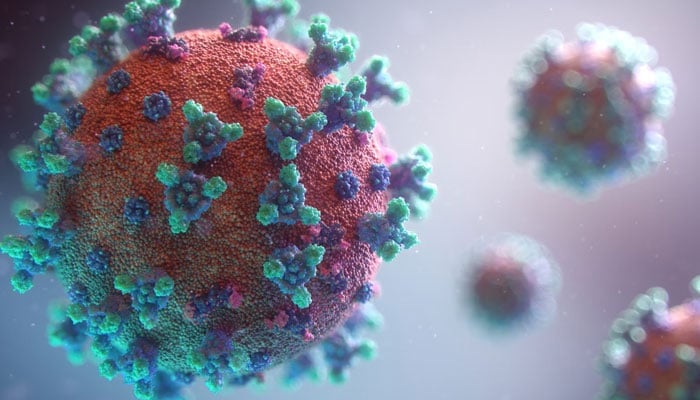
ISLAMABAD: The National Institute of Health (NIH) has issued an advisory regarding the prevention and control of sub-variant JN.1 of COVID-19.
The subvariant JN.1 was classified as a variant of concern (VOC) and is essentially an offshoot of the micron variant BA.2.86 subvariant, which is now reported in many countries and is increasing rapidly worldwide.
The NIH Centers for Disease Control issued the advisory to help health authorities improve preparedness for disease prevention and control.
Low morbidity, mortality
According to the advisory, JN.1 is unlikely to create a situation like the previous phase of the pandemic, so its morbidity and mortality are low from current statistics, despite the fact that it is rapidly replacing other subvariants and its transmissibility is expected to be high.
Symptoms
Symptoms of JN.1 infection are similar to other subvariants, including cough, sore throat, congestion, runny nose, sneezing, fatigue, headache, muscle aches, and altered sense of smell.
However, the presentation of symptoms depends on a person’s immunity from vaccination and previous infection, the paper says, stressing that existing vaccine trials and treatments still work well against the subvariant.
Prevention, control measures
If someone is sick or has been in close contact with people who have the flu, the following precautions are recommended to limit the transmission of COVID-19:
- Washing hands frequently and thoroughly with soap and water and using hand sanitizer if soap and water are not available
- To choose respiratory etiquette by covering the mouth and nose while sneezing or coughing with the elbow
- Sick patients should stay at home, rest and avoid crowds
- Taking social distancing measures until recovery
Vaccination
The NIH has declared vaccination the “most effective way” to prevent infection and its serious outcomes, particularly in high-risk groups.
The more antibodies with full-dose vaccine or booster vaccines, the greater the chances of reducing infection with COVID-19, especially among high-risk groups, including the elderly, people with comorbidities, and people who work in high-risk environments.
Enhanced surveillance measures
The NIH recommended enhanced surveillance for influenza-like illness (ILI) and severe acute respiratory infections (SARI), which may provide the best opportunity for early detection with prompt response to prevent outbreaks afterward.
Health authorities have been instructed to send all positive samples for genomic sequencing.
a href=”https://www.geo.tv/latest/525619-nih-issues-advisory-for-new-covid-19-variant”>Source link



