
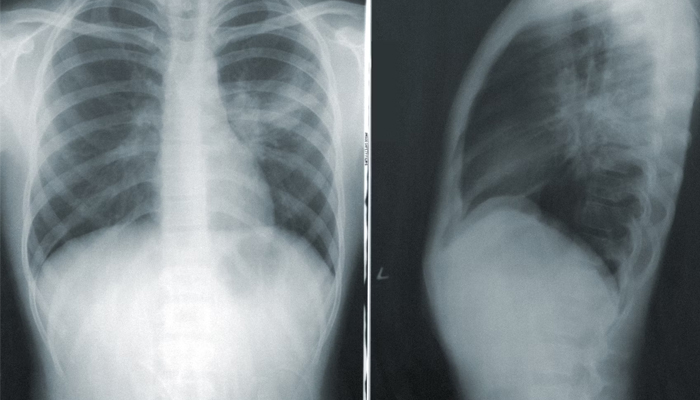
A recent study has scientists baffled as they try to answer why more young and middle-aged women are getting lung cancer than men – responsible for killing more women than breast and ovarian cancer.
According to radiation oncologist Dr Andrea McKee, the number one killer of women is not breast cancer but lung cancer and she urged education about the disease.
Estimates revealed that this cancer kills about 164 women every day in the US.
The US Centers for Disease Control and Prevention noted: “While smoking is considered the leading cause of lung cancer, rates of female cigarette use have declined significantly over the past two decades.”
“However, the number of women with cancer was increasing, especially among those who had never smoked.”
The research was published in the journal JAMA Oncology found that lung cancer diagnoses have increased by 84% in women over the past 43 years, while they have decreased by 36% in men.
It has been revealed that never smokers are twice as likely to get cancer as male non-smokers.
Scientists tried to explain, but could not find any specific reason why it attacks one sex.
Lawmakers intend to create a specific center with the goal of increasing funding and official partners to ascertain the status of preventive services provided to women alongside awareness campaigns.
Studies have shown that only 15% of the National Institutes of Health budget goes to research focused on women, and lung cancer remains the leading cause of death for women.
The American Cancer Society noted that other risk factors include family history, exposure to secondhand smoke, radon, asbestos, pollution and arsenic in drinking water.
Usually, lung cancer is diagnosed late, so it turns out to be detrimental. It also remains very difficult to treat.
Researchers hope studies showing gender disparities in lung cancer will make health care providers aware of how this disease affects women so they know to watch out for it.
It is recommended to consult a doctor if the cough lasts more than six weeks, there is blood when coughing up, shortness of breath or hoarseness for a few weeks or unexplained weight loss.



