
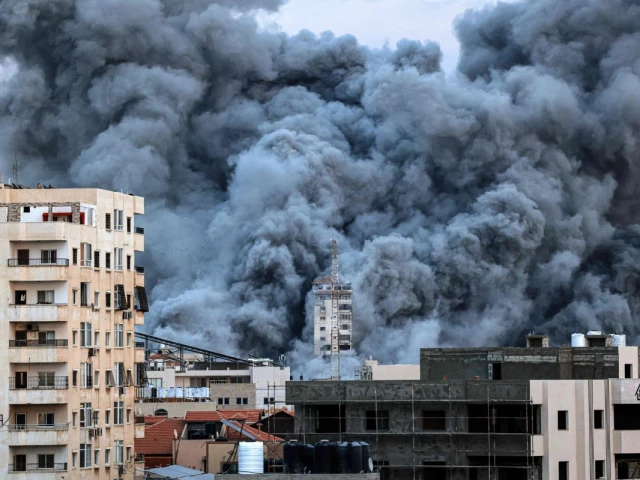
Delegations from Israel and Hamas began indirect negotiations in Egypt on Monday on a plan supported by US President Donald Trump to end the Gaza War, facing thorny issues such as the military withdrawal of Israel.
Both Israel and Hamas have approved the widespread principles of Trump’s proposal, which provides for the ceasefire, hostage releases and huge humanitarian aid to Gaza – closest to both sides have come to stop the conflict. The plan is also supported by Arabic and western states.
Trump urged the rapid progress towards a final agreement, calling the talks “the closest yet” to end the war.
“Move fast,” Trump says
“I was told that the first phase should be completed this week and I ask everyone to move quickly,” Trump writes in a social media position.
Despite the impetus for urgent need, both sides seek clarification on the basic details – including guarantees that have derailed previous peacekeeping efforts.
Trump asked Israel to stop the Gaza bombing during the talks. Residents reported a reduction in air raids, although it is not a complete interruption.
Gaza health authorities said 19 Palestinians were killed by Israeli strikes over the last 24 hours-about one-third of the recent average daily average during Israel’s intense attack on the city of Gaza.
Delegations arrive in Egypt
Egyptian state television has confirmed that indirect negotiations had begun at the Sharm El-Sheikh Red Sea resort.
The talks coincide with the second anniversary of the Hamas October 7th attack, in which the Fighters killed 1,200 people and took 251 hostages – the deadliest day for Jews from the Holocaust.
The Israeli campaign has killed more than 67,000 Palestinians, leaving most 2.2 million inhabitants of Gaza homeless and starving, amid extensive disaster.
Egyptian sources have said Hamas is seeking guarantees that Israel will withdraw its troops from Gaza as soon as the team releases its hostages, ensuring that Israel is not returning when leverage loses.
Greater for discovery
n Gaza, citizens say that the ceasefire is their last hope for survival.
“If there is a deal, then we survive. If it doesn’t, it’s like we’ve been sentenced to death,” said Gharam Mohammad, 20 years old, displaced in central Gaza.
In Israel, public pressure to end the war and bring home hostages has increased, although the members of the cabinet are opposed to any stop in the fight.
An employee informed of the negotiations said the current round could take several days, while others warned the 72-hour time of Trump to return all hostages were unrealistic-especially of the recovery of bodies from the battle zones.
A Palestinian official near the talks expressed skepticism, citing deep distrust. “Hamas and other factions are afraid that Israel could cut off talks as soon as it regains hostages,” he said.
Negotiators and signs of adhesive
The Israeli delegation includes officials from Mossad and Shin Bet, as well as the Netanyahu Ophir Falk advisor and hostage coordinator Gal Hirsch. Strategic Affairs Minister Ron Dermer, head of Israel’s negotiator, is expected to take part later in the week, Israeli officials said.
The Hamas delegation is run by Khalil Al-Hayya, the exiled leader of the Gaza team, who survived an Israeli aircraft in Doha last month that killed his son.
Hamas said she would seek clarity on the hostage exchange mechanism, the military withdrawal of Israel and the permanent ceasefire.
The Israeli remains an important point of adherence and the US requires Hamas to disarm. A Hamas source told Reuters that the team would not disarm unless Israel finishes its possession and recognizes a Palestinian state.
On Monday, Israel died dozens of activists held by a fleet trying to bring help to Gaza – including the Swedish climate Greta Thunberg.
a href=”https://tribune.com.pk/story/2570942/israel-hamas-begin-indirect-talks-on-trumps-plan-to-end-gaza-war”>Source link



