
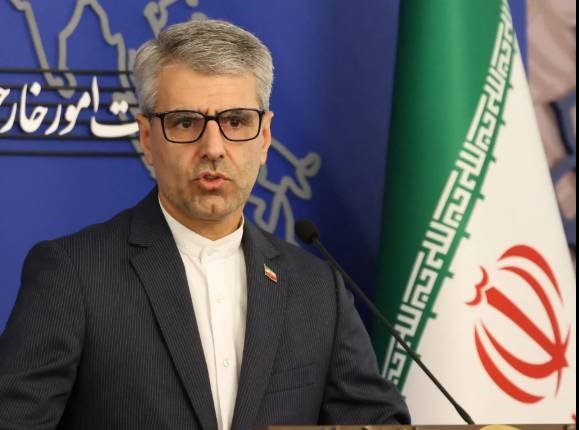
Iran’s Foreign Ministry Spokesperson Esmail Baghaei announced on July 13 that Tehran would no longer comply with the June 18 Islamabad memorandum of understanding because the United States was “openly violating it” — the clearest formal declaration yet that the ceasefire agreement Pakistan brokered has effectively collapsed (Pakistan Today; Arab News PK).
Despite the announcement, US and Iranian technical delegations are convening in Islamabad on July 14-15, the third round of technical-level talks focused on sanctions, frozen Iranian assets, and the nuclear file. The simultaneous declaration of non-compliance and continuation of talks reflects the diplomatic paradox both sides are navigating: neither wants the diplomatic channel to formally close even as each accuses the other of bad faith on the ground.
Iran is continuing parallel diplomatic engagement with Pakistan, Qatar, and Oman — the three countries that have acted as mediators — to prevent further military escalation. The Soufan Center, in a July 13 assessment, described the prospects for the mediation producing a return to the peace process as “bleak,” noting that renewed US strikes on Iranian targets and resumed Iranian restrictions on Strait of Hormuz shipping have eroded the trust foundation the June 18 MoU was built on.
The state of the MoU
The June 18 Islamabad memorandum established a 60-day ceasefire extension and framework for negotiating a final settlement, with the Strait of Hormuz to be kept open during the negotiating period. It broke down progressively: the US resumed strikes on Iranian targets, Iran responded with resumed Hormuz restrictions and support for maritime attacks on shipping, and both sides accused the other of the first violation.
Iran’s July 13 non-compliance announcement removes the legal pretence of the MoU as a binding arrangement while leaving the diplomatic track open through the Islamabad talks. For Pakistan, the situation is acute: hosting talks between parties who have each declared the agreement dead requires extraordinary diplomatic management, and the talks’ outcome this week will determine whether a third Islamabad ceasefire framework is achievable or whether the process shifts entirely to Doha for high-level engagement.
Pakistan’s position — emphasising dialogue as the “only viable path” — remains unchanged. But the space between that position and the actual situation on the ground is narrowing with each passing week of mutual violations.



