

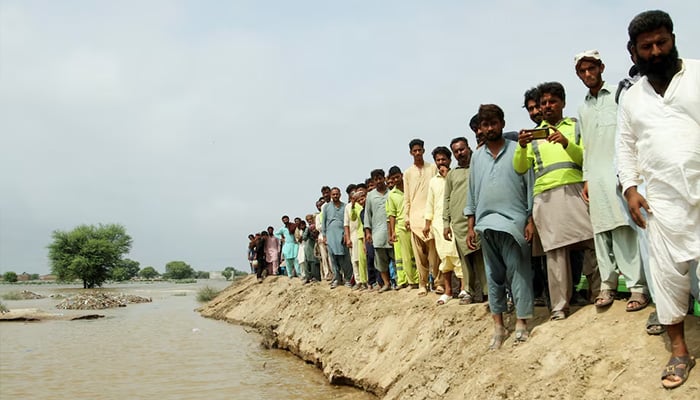
Heavy rains and widespread floods in areas developing Basmati rice in India and Pakistan have raised concerns about the production of the basic basic, leading prices higher as commissions are expected to be reduced.
India and Pakistan develop exclusively aromatic Basmati rice, which sells for almost twice the price of regular varieties and is mainly imported from Britain, the Middle East and the United States.
Floods have severely affected Basmati rice cultivation, but with the waters now receding, losses are expected to remain limited, provided there are no additional rainfall, said Nitin Gupta, senior vice president of Olam Agri India.
The northern states of Punjab and Harvana contribute more than 80% of the country’s total Basmati rice production, while Pakistan’s Punjab province represents more than 90% of its production.
Heavy rainfall in late August and earlier this month caused Ravi, Chenab, Sutlej and Beas Rivers overflowing, flooding these areas.
Initial evaluations show that crops such as Paddy, cotton and pulses in nearly a million hectares were affected by Punjab and Haryana, an India official said.
In the province of Pakistan, Pakistan’s rice, sugar cane, corn, vegetables and cotton in thousands of hectares sank earlier this month.
Floods have hit hard farmers, such as crops such as Basmati Rice and Cotton approaching the harvest, said Ibrahim Shafiq, export manager at Latif Rice Mills Pvt Ltd.
In India and Pakistan, the plants of the paddy fields are usually transplanted in June -July, with the harvest starting at the end of September.
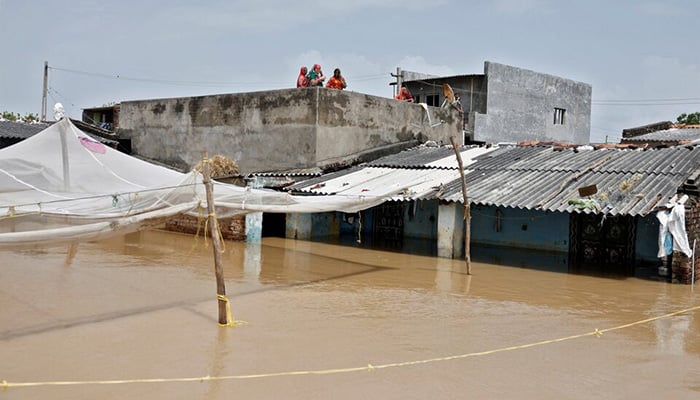
The industry expects a bumper cultivation, but the damage is likely to reduce supplies and push Basmati rice prices higher, Shafiq said.
“Conservative estimates have damaged 20% of the Basmati rice cultivated in Pakistan … This will definitely lead to the price for the Basmati Rice in local markets as well as to international markets,” Shafiq said.
Traders raised prices by $ 50 per tonne last week and could increase further if supply deficiencies remain significant until the end of the harvest, OLAM’s Guupta said.
However, some industry officials, including Chela Ram Karani -based Chela Ram Karani, say that today’s price increase is temporarily powered by reports of cultivation losses and is expected to be facilitated as soon as supplies are reached by the harvest of the new season.
a href=”https://www.geo.tv/latest/622669-flood-hit-india-pakistan-face-rising-basmati-prices-amid-crop-losses”>Source link



