

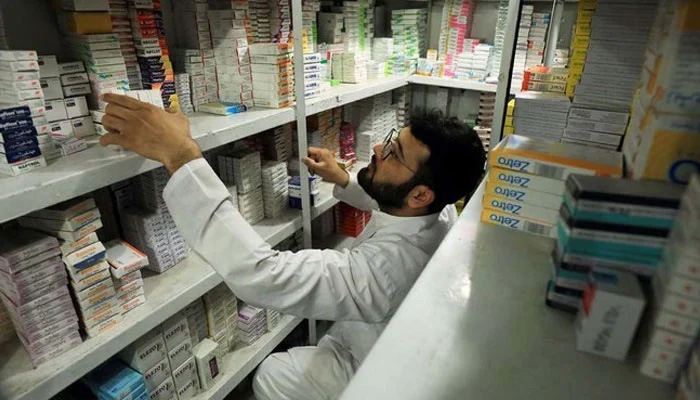
Healthcare services are becoming increasingly accessible to inflation consumers, as the Pakistani Statistics Office (PBS) for January 2025 show a sharp increase in medical expenses.
The latest data released by PBS earlier this month showed that medical fees increased by 5.36% in January compared to December, composing an already sharp increase of 15.16% annually.
General doctors as well as special clinics have also become 4.28% more expensive in January, while dental services saw 2.22% monthly rise – an imposing 26.16% increase compared to the same period last year.
Hospital charges were not familiar with, with the cost jumping by 0.36% only in January and 13.09% annually. Meanwhile, drug prices continued their rise, increasing 0.52% last month and increasing 17.48% last year.
Overall, healthcare costs increased by 1.27% in January, pressures by increasing already aggravating households struggling to afford basic basics as well as basic medical care.
Analysts say that inflation does not show any sign of deceleration, this shocking increase in healthcare costs takes a huge tax on the physical and mental well -being of the economically compromised audience.
In Pakistan, people in general-especially children and the elderly-often succumb to complications of therapeutic diseases due to the non-accessibility of poverty to basic health care.
Inflation rate decreased to the lower to more than nine years, reducing 2.4% on a year -long basis in January, the statistics office said Monday. Inflation has cooled significantly, relaxing from 28.3% in January 2024.
Consumer prices in January rose by 0.2% from the previous month, according to Pakistan, a statistics office.
The country of South Asia, currently reinforced by a $ 7 billion facility by the International Monetary Fund (IMF) granted in September, navigates economic recovery.
The IMF is expected to revise Pakistan’s progress until March, with the government and the Central Bank expressing confidence in achieving its goals.
Inflation rate decreased to 4.1% in December, the lowest in more than six years, helping favorable basic effects. This was below the government’s prediction and under a high multiple decades of about 40% in May 2023.
According to economists, consumer inflation is falling due to the statistical base, which is also supported by currency stability and lower food and energy prices.
However, the reality of the soil remains completely different, as consumers continue to deal with the ever -increasing cost of living, with these statistics not translating into real relief in the prices of daily basic elements.
Additional Inputs from Reuters
a href=”https://www.geo.tv/latest/589699-healthcare-inflation-bites-as-pbs-records-steep-rise-in-medical-costs”>Source link



