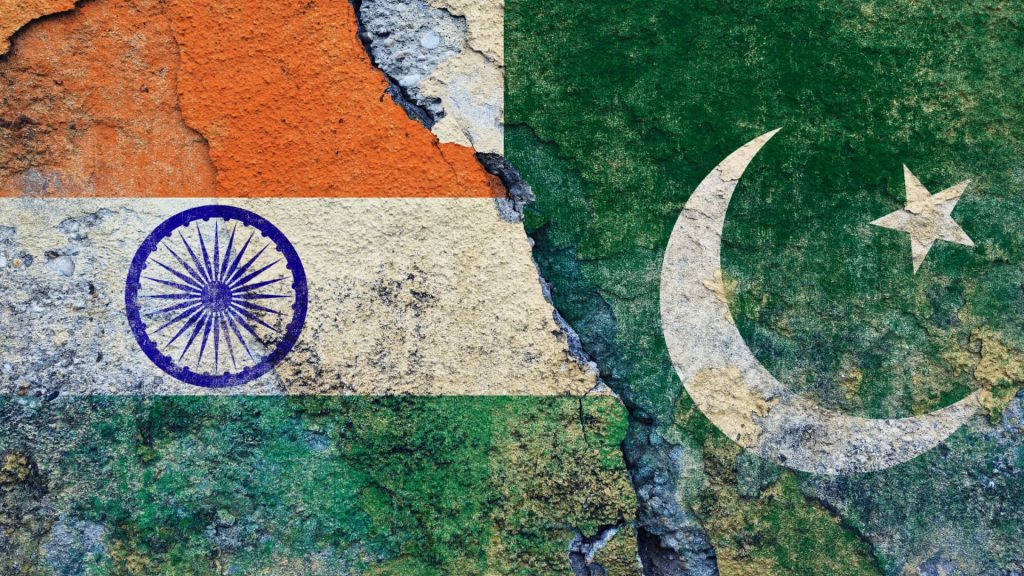
India’s water resources minister, C.R. Patil, said this month that New Delhi is working to ensure Pakistan will not receive “a single drop” of Indus water in the coming years, hardening India’s position in a dispute that has kept the 1960 Indus Waters Treaty in abeyance since April 2025 (CNBC; Business Today India).
India’s foreign ministry said on June 5 that the treaty would remain suspended “until Pakistan completely stops cross-border terrorism” — directly linking the water dispute to the security standoff between the two nuclear-armed neighbours. India announced it was holding the treaty in abeyance in April 2025, following a deadly militant attack on civilians in Indian-administered Kashmir.
Pakistan’s Defence Minister Khawaja Asif warned that Islamabad could go to war if it concluded that India’s moves on the Indus river system threatened Pakistan’s water security. Deputy Prime Minister Ishaq Dar has asked the United Nations Security Council to intervene, describing India’s approach as a violation of the World Bank-brokered treaty that has governed water-sharing between the two countries for more than six decades.
Why the stakes are high
The Indus Waters Treaty allocates roughly 80 percent of the Indus Basin’s water to Pakistan — water that underpins the country’s canal-fed irrigation network, agriculture, and food production for tens of millions of people in Punjab and Sindh. India, which controls the three eastern rivers under the treaty’s division, is pushing ahead with dam and diversion projects that Pakistan says violate the agreement. Islamabad has invoked the treaty’s dispute-resolution mechanisms but has found the path blocked by India’s refusal to engage through the Permanent Indus Commission since April 2025.