
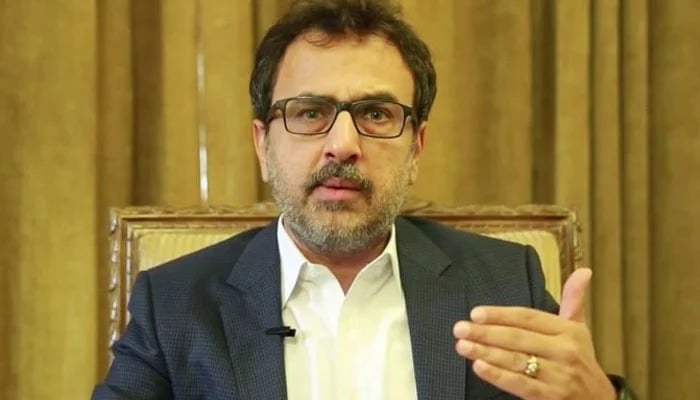
- Leghari says Pakistan will ask Chinese IPPs to stop importing coal.
- It says the move will also ease pressure on foreign reserves.
- Shifting claims can save Pakistan over Rs 200 billion/year in imports.
Islamabad: Pakistan has decided to push Chinese independent power producers (IPPs), which rely on imported coal, to switch to locally sourced solid fossil fuels to reduce production costs and provide relief to consumers plagued by inflated bills. general interest.
“Pakistan this month will ask Chinese power plants operating in the country to switch to using coal from the Thar region instead of imported coal,” Federal Energy Minister (Energy Department) Awais Leghari told Reuters on Sunday.
He added that the switch could save Pakistan more than 200 billion rupees annually in imports, which translates into a reduction of up to Rs 2.5 per unit in the price of electricity.
“Islamabad may also start talks on rescheduling Pakistan’s energy sector debt during the Beijing visit.”
Such a transition would benefit China-owned factories in Pakistan by easing pressure on the country’s foreign exchange reserves, he said, making it easier to repatriate dividends and offering a better return in dollar terms.
The power czar will be part of the delegation to discuss structural energy reforms proposed by the International Monetary Fund (IMF), which last week agreed to a $7 billion bailout for the heavily indebted South Asian nation.
Neighboring China has built energy projects worth more than $20 billion in Pakistan.
“One of the main purposes of going forward is to convert imported coal units to local coal. That would have a huge impact on the cost of energy, energy in the near future. So that’s one of the biggest (items on the agenda),” said Leghari in an interview.
In April, a subsidiary of the Engro group agreed to sell all its thermal assets, including Pakistan’s top coal producer Sindh Engro Coal Mining to Liberty Power.
Liberty said the decision was driven by Pakistan’s currency crisis and the potential of its domestic coal reserves.
The minister declined to elaborate on possible talks with China on rescheduling energy debt.
Pakistan’s electricity sector is plagued by high rates of electricity theft and distribution losses, resulting in debt piling up throughout the production chain – a concern raised by the IMF.
The government is implementing structural reforms to reduce cyclical debt – public liabilities built up in the power sector due to subsidies and unpaid bills – by Rs100 billion a year, Leghari said.
Poor and middle-class households have been hit by a previous IMF bailout reached last year, which included an increase in electricity tariffs as part of a financing package that ended in April.
Pakistan’s annual electricity use is expected to fall sequentially for the first time in 16 years as higher tariffs curb household consumption, despite near-record summer temperatures that typically boost use of air conditioning and fans.
“We have seen a trend of shrinking demand in the last year or a half and we expect this to continue unless we rationalize the price of power,” Leghari said, adding that the government’s main challenge was to stop demand from shrinking.
He said since the tariff per unit of electricity is more expensive, both urban and rural households are moving towards alternatives like solar.
“Right now we have almost 1,000 megawatts that are on the grid itself in the form of net metering systems and whatnot. It’s a very conservative estimate that (solar power) could be five to six times that on the grid right now .” Legari said.
a href=”https://www.geo.tv/latest/555325-in-bid-to-cut-power-prices-pakistan-to-press-chinese-ipps-to-adopt-local-coal”>Source link



