
Centuries-old communal tradition observed with religious fervor represents Muslim culture in countries around the world
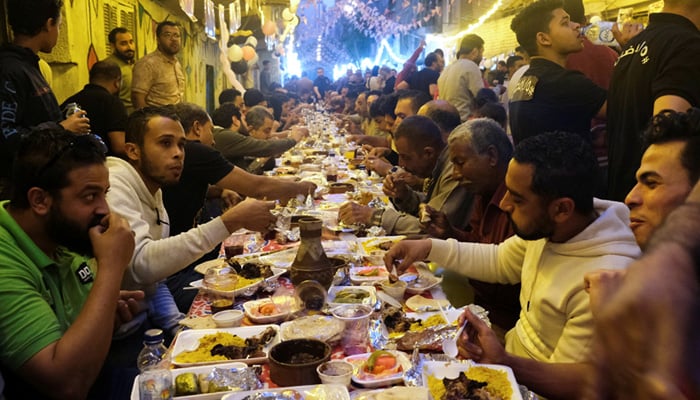
The United Nations Educational, Scientific and Cultural Organization (Unesco) added Iftar — the meal that Muslims must break their fast, especially in the month of Ramadan — on the list of intangible cultural heritage.
The application for socio-cultural tradition was jointly submitted by Iran, Turkey, Azerbaijan and Uzbekistan to Unesco.
Although the concept of Iftar it is more religious than cultural, communities observe it with such gusto that it represents Muslim culture in countries around the world.
The centuries-old community tradition was recognized by the Intergovernmental Committee for the Safeguarding of the Intangible Cultural Heritage which meets in Botswana from Monday.
Marking the end of the dawn-to-dusk fast that teaches resilience and patience in the face of hardship and hunger, Iftar observed by people of all ages, genders and backgrounds after completing all religious and ceremonial rites, Unesco said in an official statement
The Iftar the meal is taken after the Maghrib andan at sunset and is followed by prayer, and often by different religious ceremonies in keeping with the spirit of Ramadan.
In many Muslim countries, it is customary to mark Iftar eating a date accompanied by tea. Recipes for dishes and pastries, however, vary greatly by country.
“For communities, it often takes the form of gatherings or meals, strengthening family and community ties and promoting charity, solidarity and social exchange. Ceremonies and rituals are related to Iftar are also practiced by people who are not necessarily fasting during the month of Ramadan,” the statement said.
Elders transmit knowledge and skills within families “through oral teaching, observation and participation.” Children and young people are often entrusted with preparing the ingredients of traditional meals Iftar holidays.
In addition, parents also impart knowledge about the benefits of fasting and its social values and functions Iftar to their younger ones.
The Iftar it is often advocated by governmental entities, non-governmental organizations and charities, as well as through television, radio, the press and social media to promote kindness and compassion towards the underprivileged.
— Additional input from AFP
a href=”https://www.geo.tv/latest/522068-iftar-gets-recognition-as-cultural-heritage-by-unesco”>Source link



