
PARIS: Record heat, extreme weather, air pollution and the spread of infectious diseases: climate change is already a huge but growing threat to human health around the world, experts warn.
The latest round of UN climate talks begin next week amid what is expected to be the hottest year on record – and in the shadow of climate-skeptic Donald Trump’s re-election as US president.
The COP29 negotiations will be held in Azerbaijan as the world continues to emit increasing levels of global-warming fossil fuels, even as many nations have been hit by devastating floods, droughts, heat waves and storms.
“Climate change is making us sick and urgent action is a matter of life and death,” the World Health Organization warned this week.
Here are some of the ways global warming affects health.
Extreme heat
The EU’s Climate Observatory said this week that 2024 is “almost certain” to surpass last year and become the warmest year on record. It is also expected to be the first year to be more than 1.5 °C warmer than the 1850-1900 pre-industrial average.
Of the 15 ways climate change affects health tracked by experts as part of The Lancet Countdown, 10 have now “reached relative new records”, according to the group’s latest report.
The number of over-65s dying from heat has risen 167% since the 1990s, just one recent all-time high, the report said.
Extreme heat leads to many health risks, including kidney disorders, strokes, adverse pregnancy outcomes, cardiovascular and respiratory diseases, organ failure, and ultimately death.
Jeni Miller, executive director of the Global Alliance for Climate and Health, said “this year has highlighted the increasing impacts of a warming climate on people’s health and well-being.”
He pointed to extreme heat that led to 700 deaths and more than 40,000 cases of heatstroke in India, “climate-exacerbated” rains that caused a dam in Nigeria to collapse, killing 320, and 48 of the 50 US states “experiencing moderate or worse drought” . .
Meanwhile, Spain is still reeling from the deadliest floods in a generation, while parts of the United States and Cuba are picking up the pieces after recent hurricanes.
Droughts, floods and other extreme weather events are also expected to hit global crops, leading to an increase in hunger in many regions.
air pollution
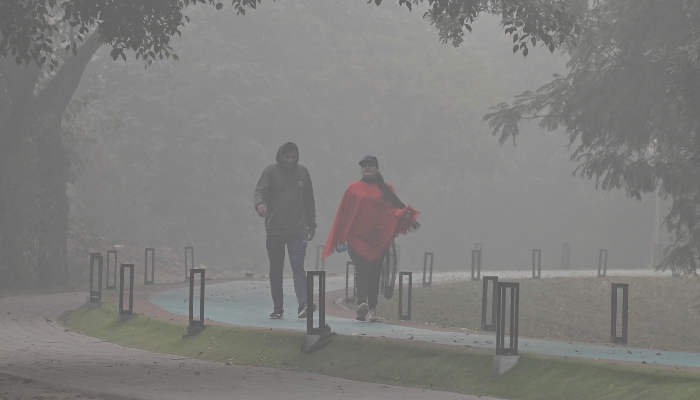
Almost all — 99% — of the world’s population breathes air that exceeds the World Health Organization’s air pollution guidelines.
This pollution has been found to increase the risk of respiratory disease, stroke, heart disease, lung cancer, diabetes and other health problems, posing a threat that has been compared to tobacco.
Nearly seven million premature deaths a year are linked to air pollution, according to the WHO.
Just last week, Pakistan’s second largest city, Lahore, recorded air pollution at 40 times the level deemed acceptable by the WHO.
In better news, the Lancet Countdown report found that deaths from fossil fuel-related air pollution fell by almost 7% from 2016 to 2021, largely due to efforts to reduce pollution from burning coal.
Infectious diseases
A changing climate means mosquitoes, birds and mammals will wander beyond their former habitats, increasing the threat that they could carry infectious diseases with them.
Dengue, chikungunya, Zika, West Nile virus and malaria are all mosquito-borne diseases that could spread more widely in a warming world.
The risk of transmission from a mosquito that spreads dengue has increased by 43% over the past 60 years, according to the Lancet countdown. A new world record of more than five million dengue cases was recorded last year.
Storms and floods create standing water that is a breeding ground for mosquitoes and also increases the risk of water-borne diseases such as cholera, typhoid and diarrhoea.
a href=”https://www.geo.tv/latest/573499-heat-air-pollution-disease-how-climate-change-affects-health”>Source link



