Pakistan is grappling with one of the fastest-growing HIV epidemics in the World Health Organisation’s Eastern Mediterranean Region, even as shrinking international funding threatens the very programmes meant to contain it.
New HIV infections in the country have risen by 200 per cent over the past 15 years, climbing from 16,000 in 2010 to 48,000 in 2024, according to figures cited by the WHO and UNAIDS. An estimated 350,000 people are now living with HIV in Pakistan, but the testing and treatment gap remains stark: in 2024 only about 21 per cent knew their status, just 16 per cent were on treatment, and only 7 per cent had achieved viral load suppression.
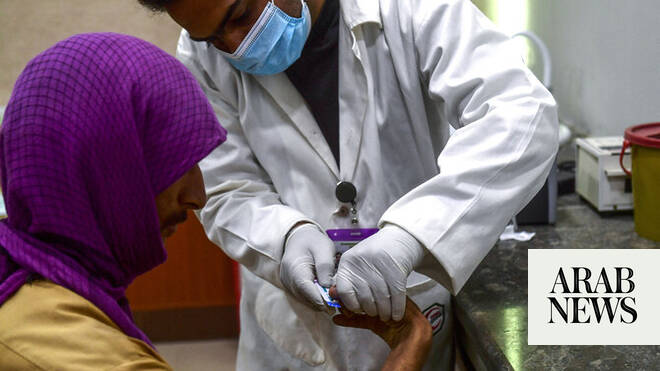
The epidemic is also changing shape. While HIV once concentrated among high-risk groups, it is increasingly reaching children, spouses and the wider community through unsafe injections, contaminated blood transfusions and weak infection-control practices. New cases among those aged 0 to 14 surged from 530 in 2010 to 1,800 in 2023, and recent localised outbreaks have been recorded in Shaheed Benazirabad, Hyderabad, Naushahro Feroze and Pathan Colony in 2025, following earlier clusters in Taunsa, Mirpur Khas, Jacobabad, Shikarpur and the well-documented 2019 outbreak in Larkana. In 2024, Pakistan recorded more than 1,100 AIDS-related deaths.
There has been measurable progress on infrastructure. The number of people receiving antiretroviral therapy (ART) rose roughly eightfold, from around 6,500 in 2013 to 55,500 in 2024, while ART centres expanded from 13 in 2010 to 95 in 2025. But officials warn that stigma is undermining the response. “The discrimination, the stigma, and this disease cannot be curtailed only by us,” said Dr Ayesha Isani, Director General at the Health Ministry.
Those gains now face a financing squeeze. Pakistan’s HIV response remains overwhelmingly dependent on the Global Fund to Fight AIDS, Tuberculosis and Malaria, which reduced the country’s total allocation from $250.8 million to $223.6 million under its Grant Cycle 7 (2023–2025), cutting roughly $4 million from the national HIV/AIDS component. “The HIV response in Pakistan is totally dependent on Global Fund funding,” said Asghar Satti, National Coordinator of the Association of People Living with HIV.
The strain is already visible on the ground. Community organisations serving key populations have reported budget cuts of 40 to 45 per cent, and the Dareecha Health Society told Arab News it had merged three offices into one and cut staff from around 70 to 30. “These are highly marginalised communities… so the more cuts there are, the fewer people we can reach,” said Richard Cunliffe, Global Fund project manager at UNDP Pakistan, adding that “the steady supply of quality-assured anti-retroviral drugs is our number one priority.”
The outlook for donor support is worsening. The Global Fund’s 2027–2029 replenishment fell $6 billion short of its $18 billion target, and with international financing expected to decline further after 2027, UNDP and civil society groups say Islamabad must urgently expand domestic funding to keep its HIV programme running.
As Satti warned, the consequences of inaction compound quietly: “When fewer people are tested, more infections remain hidden” — leaving Pakistan’s epidemic to grow largely out of sight, even as the global trend moves the other way.